Kremlin's 3rd Attempted Kharkiv Offensive Already "A Self-Inflicted Disaster"
If at first you don't succeed, waste a few thousand more Russian lives...
Having already failed twice in its attempts to take part of Kharkiv oblast, the Kremlin, facing yet another embarrassing failure at Pokrovsk, has decided that attacking Kharkiv again is a clever means of diverting Ukrainian resources. Except for the fact that this is one of Ukraine's most heavily defended, drone protected sectors. Russians sent to raise flags for propaganda videos are routinely eliminated before they can even reach their objectives. If this is their best alternative, one shudders to think what the bad ones are. JL
RFU News reports:
The latest Russian push toward Vovchansk is a third attempt at a Kharkiv offensive, and it has already exposed itself as a strategic blunder. Ukrainian defenses here have been fortified for more than a year. The approaches are densely mined, covered by thermal drones, FPV teams, and infantry ambushes. Russian forces sent a flag bearer to plant the Russian flag beside a ruined house, only to be eliminated instantly by Ukrainian fire. A second flag bearer suffered the same fate. The Kharkiv offensive, already defeated twice, has again become a self-inflicted disaster. Russia has thrown hundreds more soldiers into the meat grinder, with nothing to show except dead flag bearers.
Russia has launched its third offensive on Kharkiv, reviving a campaign that has already failed twice, but now with even higher stakes and far weaker prospects. Framed by propaganda and driven by political desperation, this new push is already unraveling, exposing a strategic miscalculation at the highest levels of the Kremlin.
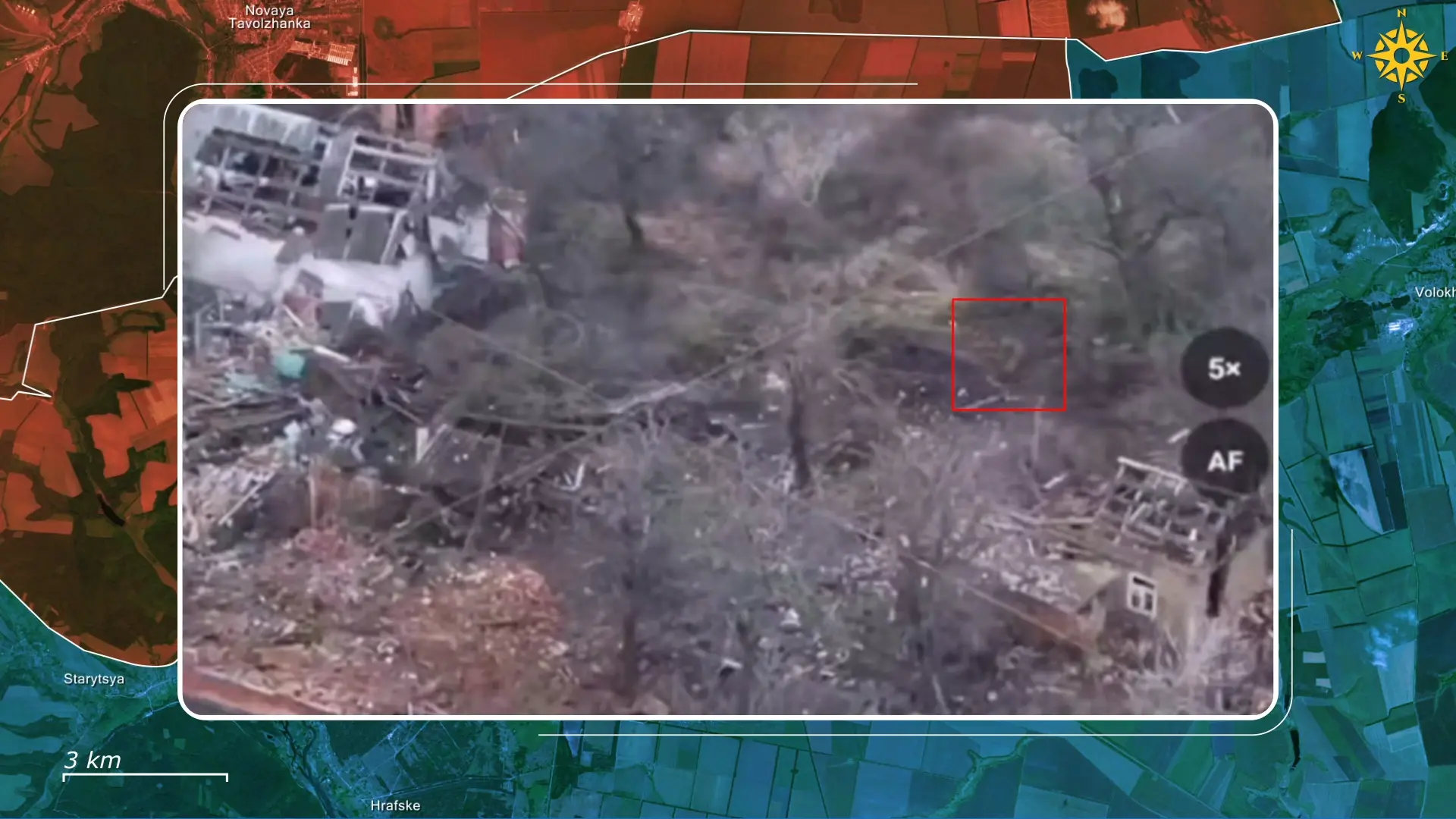
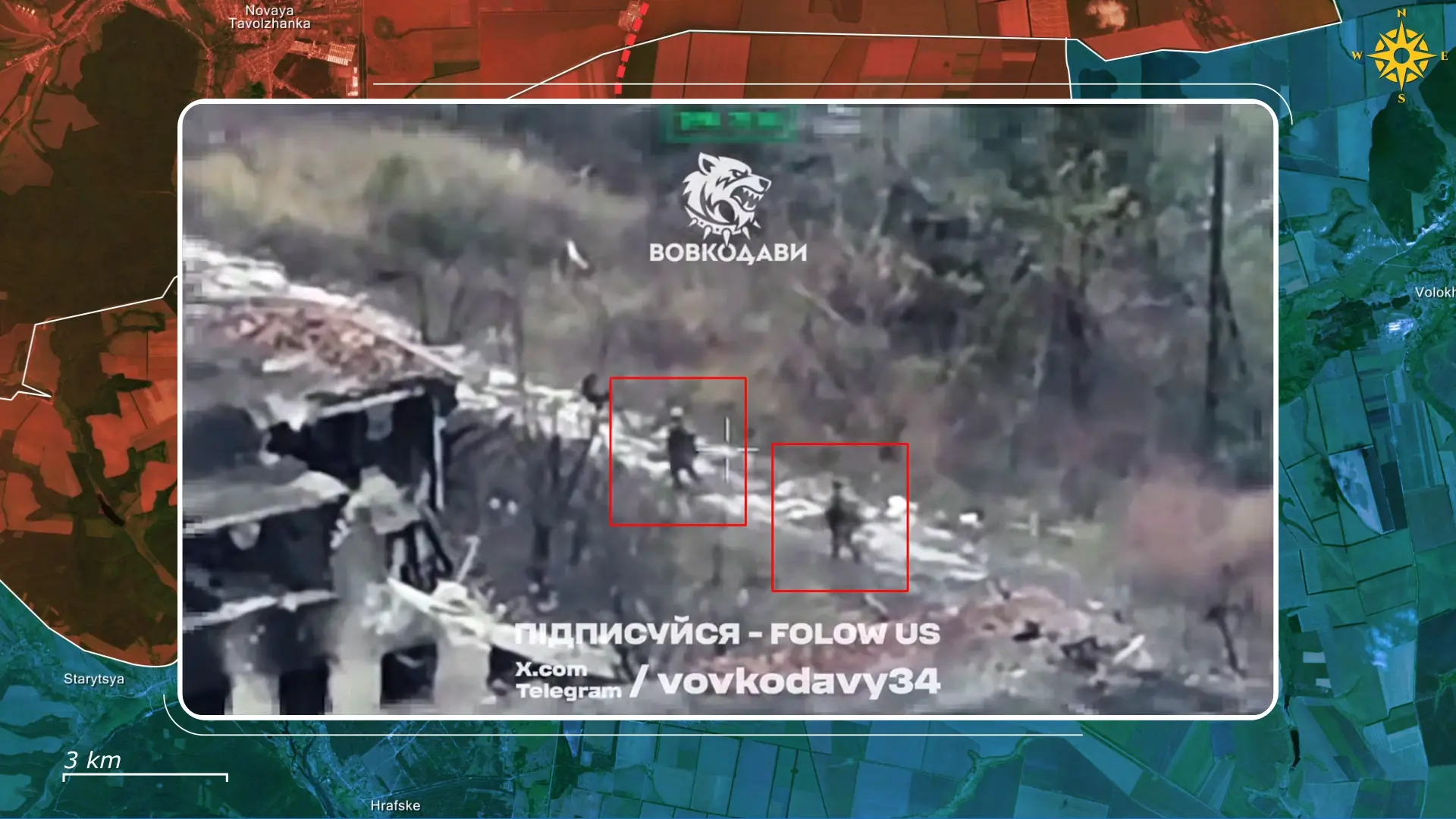
Recently, Russia rushed to claim victory, announcing that Vovchansk was captured, but the reality on the ground tells a very different story. In a failed attempt to produce symbolic footage proving full control, Russian forces sent a flag bearer on what was essentially a suicide mission. The soldier attempted to plant the Russian flag beside a ruined house, only to be eliminated instantly by precise Ukrainian fire.
Desperate to fabricate the image, commanders sent a second flag bearer moments later, but he suffered the same fate. Detected by Ukrainian observers, tracked by drones, and neutralized before he could stage the symbolic gesture. The Russians wanted a triumphal photo; instead, they produced yet another example of senseless loss. The image Putin hoped to present disintegrated, replaced by footage of fallen flag bearers lying in rubble that Russia cannot seize.
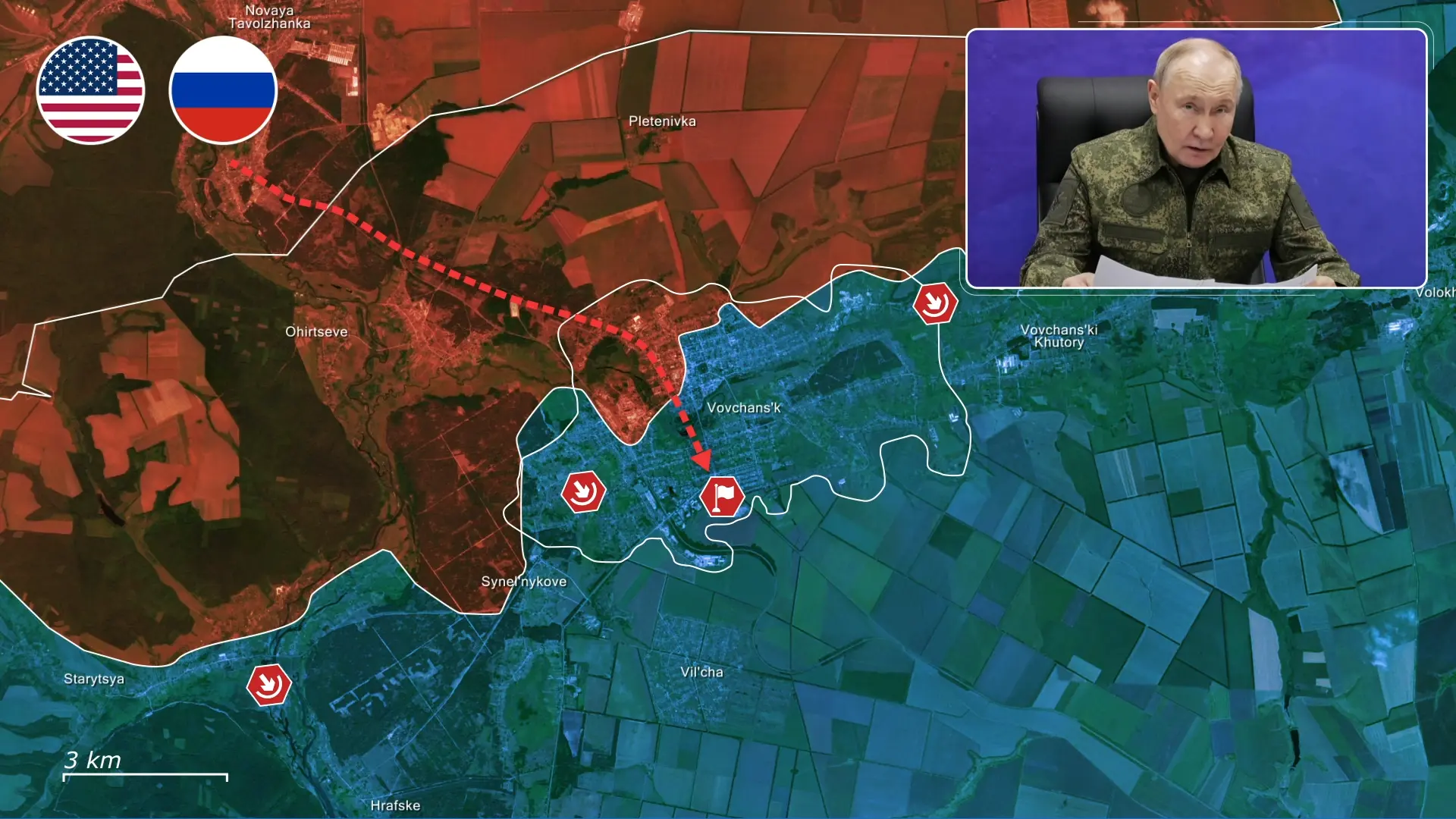
Despite failing to take pictures in Vovchansk, Russian commanders still decided to report to Putin that Vovchansk had been taken, and Putin immediately amplified the claim. The timing was politically calculated, with Moscow aiming to enter the next round of US-Russia negotiations, pretending to hold a major victory in northeastern Ukraine. The attempt to raise a flag thus became not just a battlefield stunt but a diplomatic weapon.
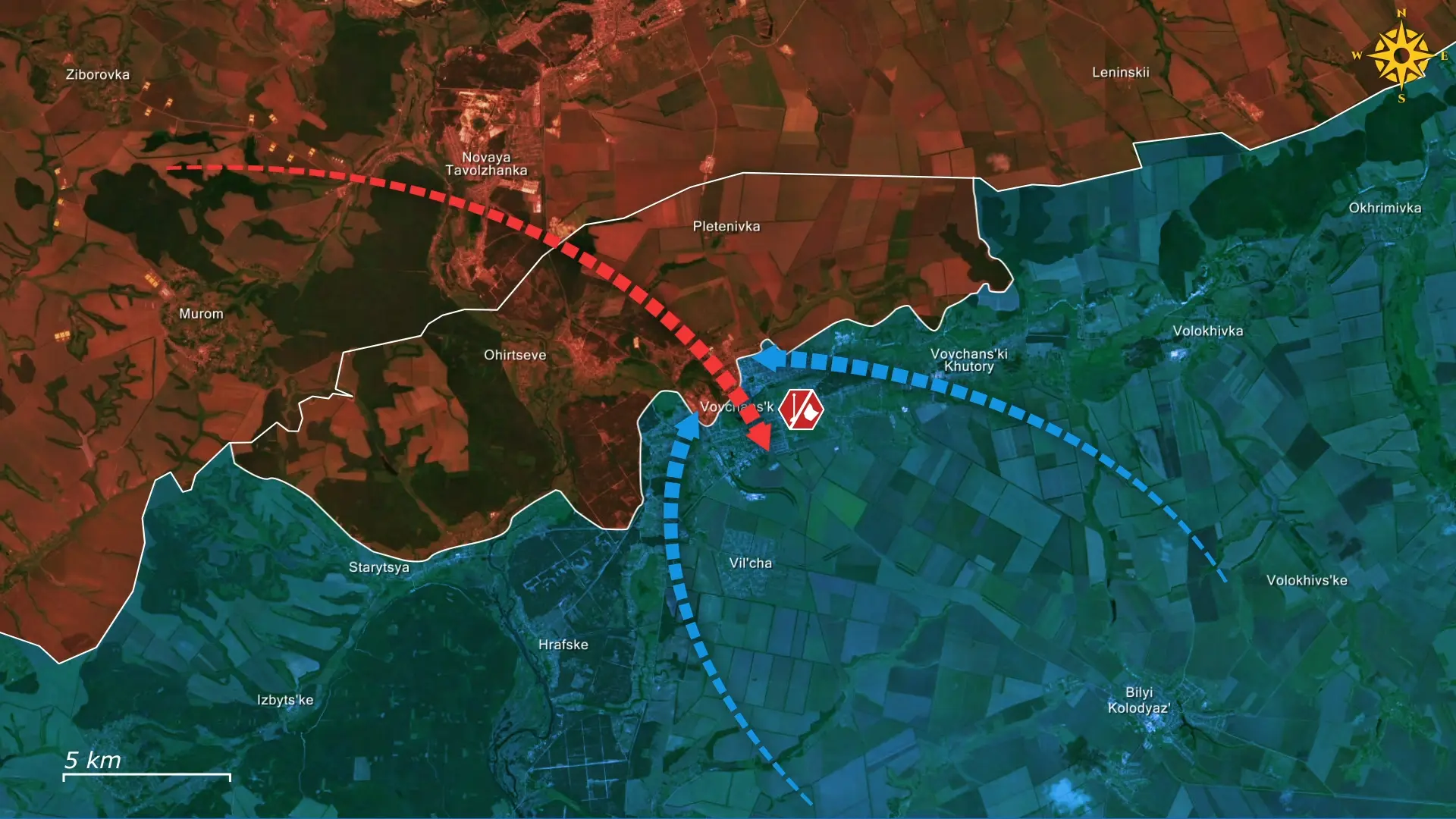
Putin used this event to once again order the creation a “buffer zone” along the border, but this initiative reflects political desperation more than military logic. With it, the latest Russian push toward Vovchansk is effectively a third attempt at launching a Kharkiv offensive, and it has already exposed itself as a strategic blunder, based on the lie with the failed flag planting operations.
By reintroducing the “buffer zone” idea, Russia also seeks a more calculated objective to force Ukraine to disperse its reserves. The Russian North group of forces has been told to create pressure along the full border. If successful, this would stretch Ukrainian defenses, forcing Kyiv to divert troops away from critical points like Pokrovsk. The Kremlin hopes this manipulation will overextend Ukraine’s manpower and logistics and effectively launch the third Russian Kharkiv offensive.
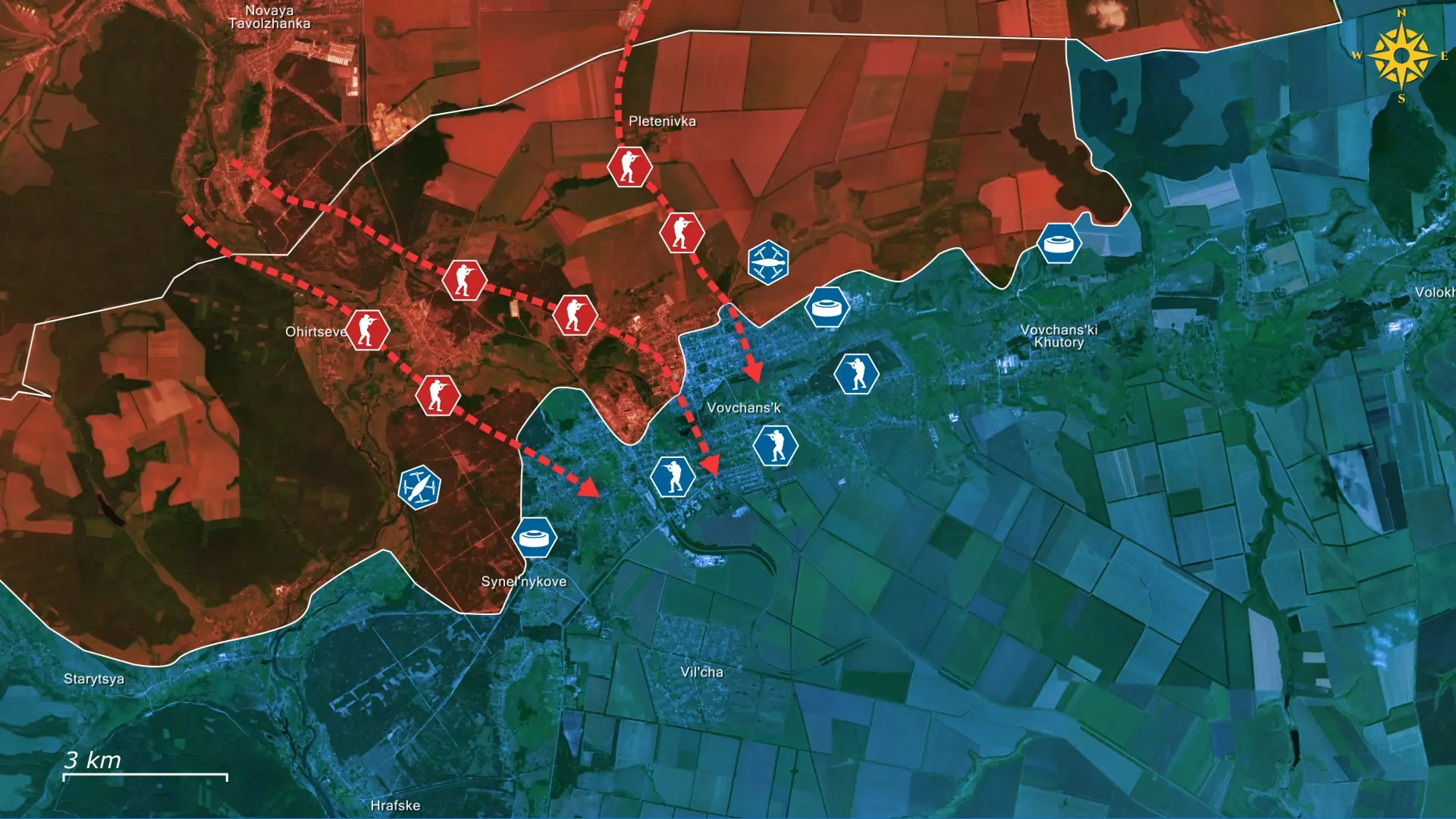
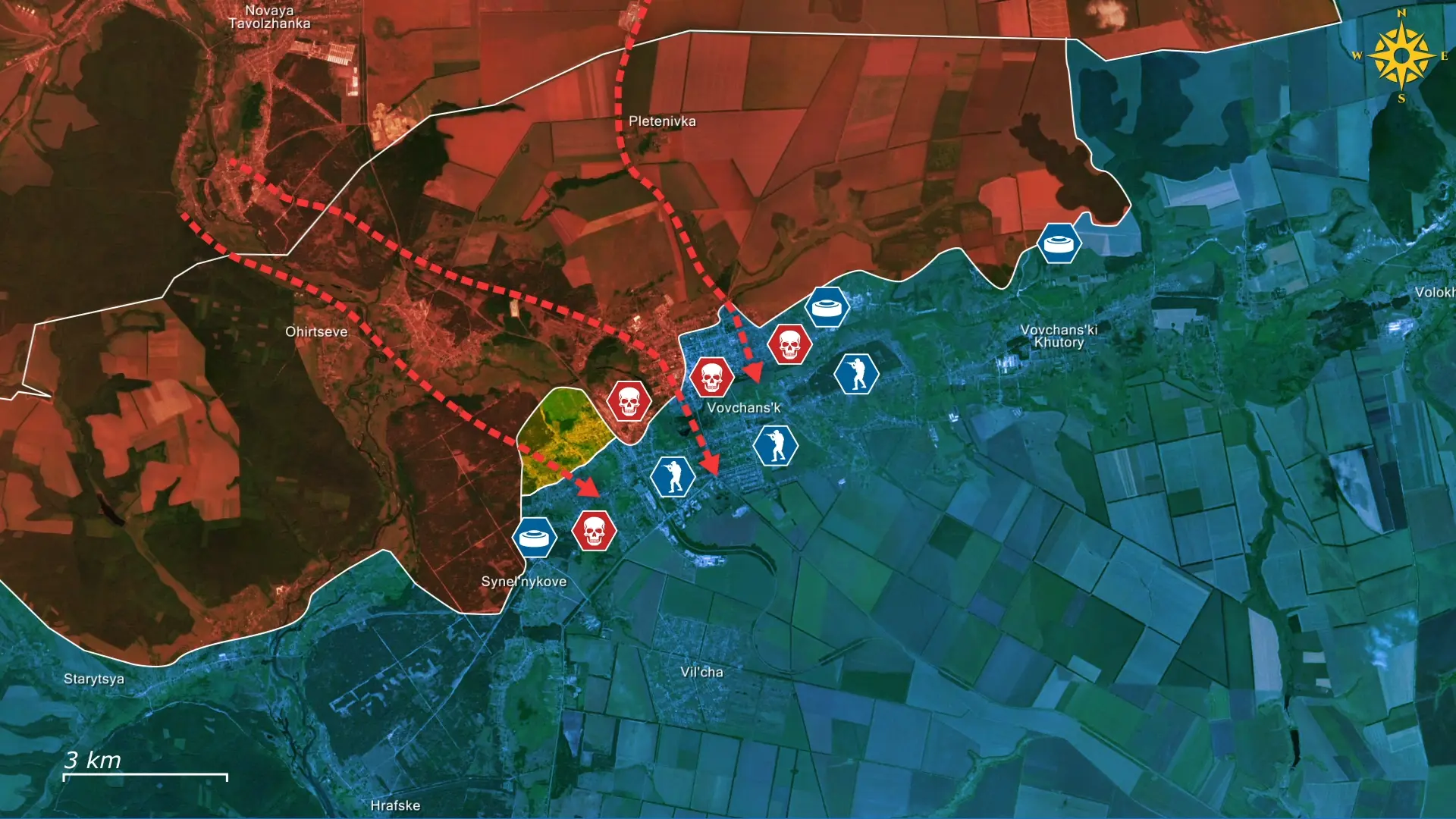
Despite this, following Putin’s order, Russian forces resumed their assaults around Vovchansk with deadly consequences, as Ukrainian defenses here have been fortified for more than a year. The approaches are densely mined, covered by thermal drones, FPV teams, and infantry ambushes. Ukrainian surveillance does not stop, and Russian assault units sent forward with minimal support are spotted and eliminated repeatedly.
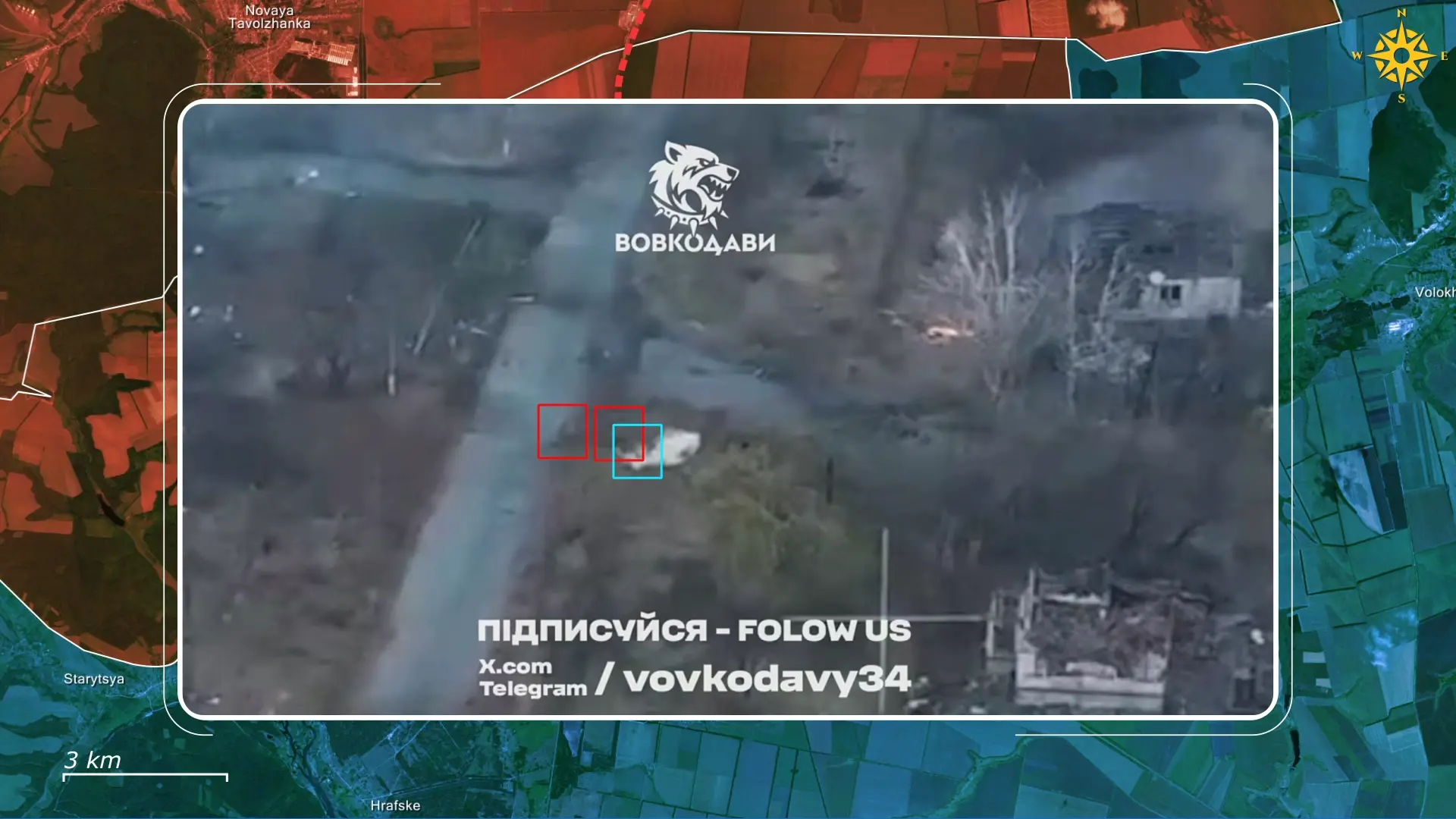
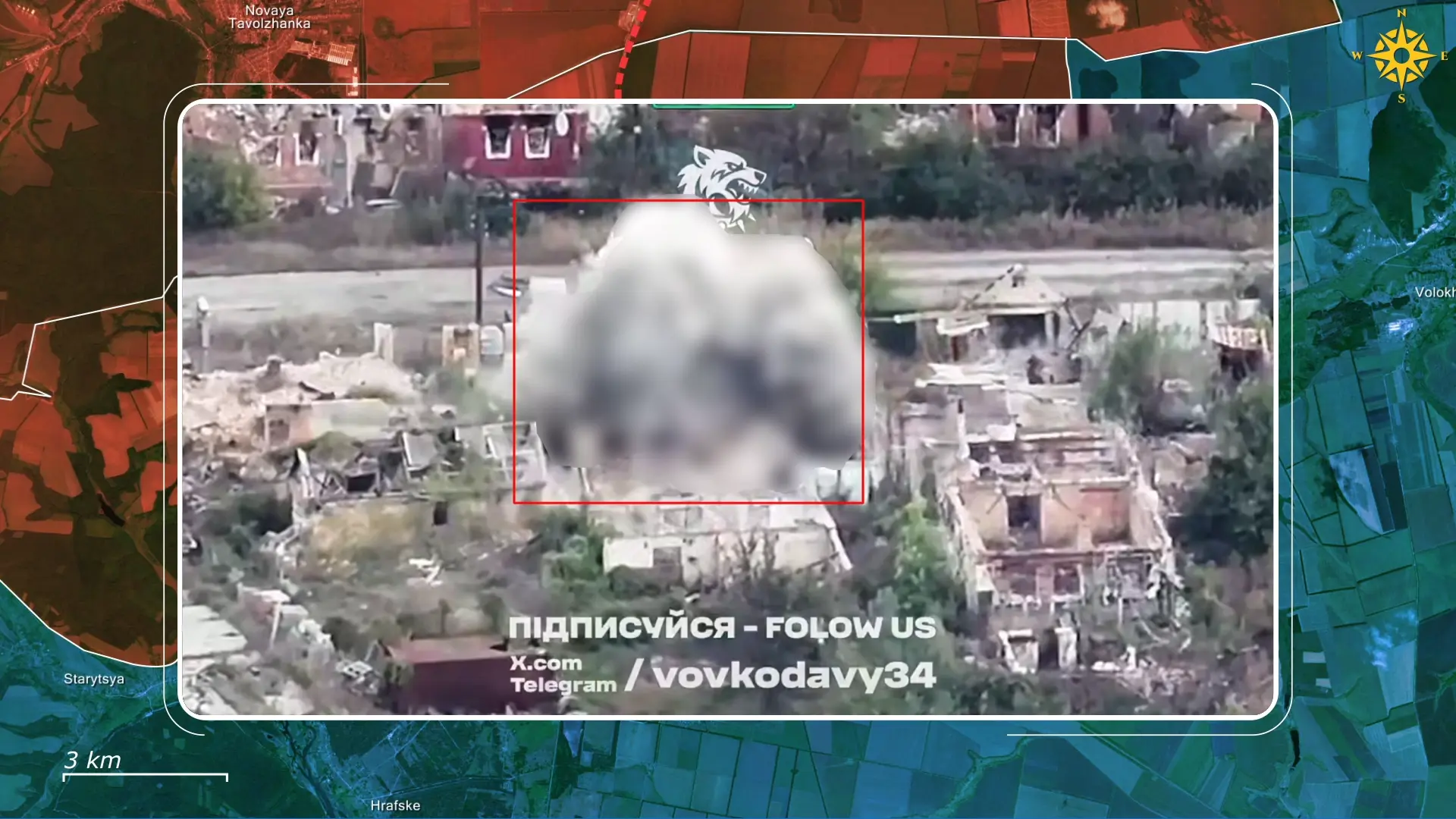
Drone operators have captured the harsh reality, as in one case, Russian troops are moving cautiously forward, before stepping on mines and getting blown up. In another attack, others walk straight into an ambush set by Ukrainian infantry and are instantly eliminated by small-arms fire.
Those that manage to break through further end up being chased down by FPV drones in the ruins. Even those attempting to seek cover in the trees and riverbanks do not find cover.
Despite losing hundreds more men, the only measurable territorial change is a slight Russian advance into the western part of the settlement south of the river, a marginal gain achieved at the price of enormous casualties.
Overall, Putin’s declaration of victory in Vovchansk, based on failed symbolic flag-planting attempts, is detached from battlefield facts. These claims serve only to pressure Ukraine before negotiations and to present Russia as advancing when, in reality, its forces have accomplished nothing effectively. The Russian leadership hopes someone in Washington will take these proclamations seriously, but the record of repeated failures speaks for itself.
The Kharkiv offensive, already defeated twice, has once again become a self-inflicted disaster. Instead of gaining leverage, Russia has thrown hundreds more soldiers into the meat grinder for the sake of capturing a symbolic image, with nothing to show except dead flag bearers.






No comments:
Post a Comment