6 Russian Anti-Drone Defense Systems In 2 Days By Ukraine Drones
Ukraine Unmanned Systems units destroyed six Russian anti-drone air defense systems in two days of attacks. The irony is that the Russian weapons were destroyed by the drones they were designed to defend against.
These assets were deployed in Donetsk and Zaporizhzhia oblasts and were placed there to help protect Russian forces operating in those areas. Their destruction creates a systemic vulnerability for the Russian command as they were coordinated to provide overlapping defense in depth as much as 160 kilometers from the front line. JL
Valerii Riabykh reports in Defense Express:
Ukraine's Unmanned Systems Forces hit six units of the enemy's air defense systems and radar stations in Donetsk and Zaporizhzhia oblasts within 48 hours - from January 12 to 14, 2026. Middle range strike weapons were used, targeting in the operational depth of the enemy's defense in occupied areas of Donetsk and Zaporizhia. The attacks employed warheads weighing more than 10 kilograms, leaving no chance of combat survivability for these lightly armored but high-value air defense assets. These are distances from 46 to 160 kilometers from the zero line of combat contact.
The Unmanned Systems Forces of the Armed Forces of Ukraine within 48 hours destroyed six units of anti-aircraft missile systems and radar stations of the russian invading army in the temporarily occupied territories of Donetsk and Zaporizhia regions, working in the operational depth of the enemy
For two days, the Ukrainian Defense Forces launched a series of high-precision strikes on russian air defense systems in the temporarily occupied territories of Zaporizhia and Donetsk regions. As a result, the enemy lost several valuable anti-aircraft missile systems and radar stations at once.
This was reported by the commander of the Unmanned Systems Forces of the Armed Forces of Ukraine Robert Brovdi, call sign "Magyar". According to him, units of Ukraine’s Unmanned Systems Forces hit six units of the enemy's air defense systems and radar stations within 48 hours - from January 12 to 14, 2026.
To carry out the operation, middle strike weapons were used, operating in the operational depth of the enemy's defense in the occupied territories of Donetsk and Zaporizhia. These are distances from 46 to 160 kilometers from the line of combat contact. According to the information provided, the following samples of russian weapons and air defense equipment were hit by Ukrainian unmanned systems:
TOR SAM system - Mariupol district of Donetsk region;
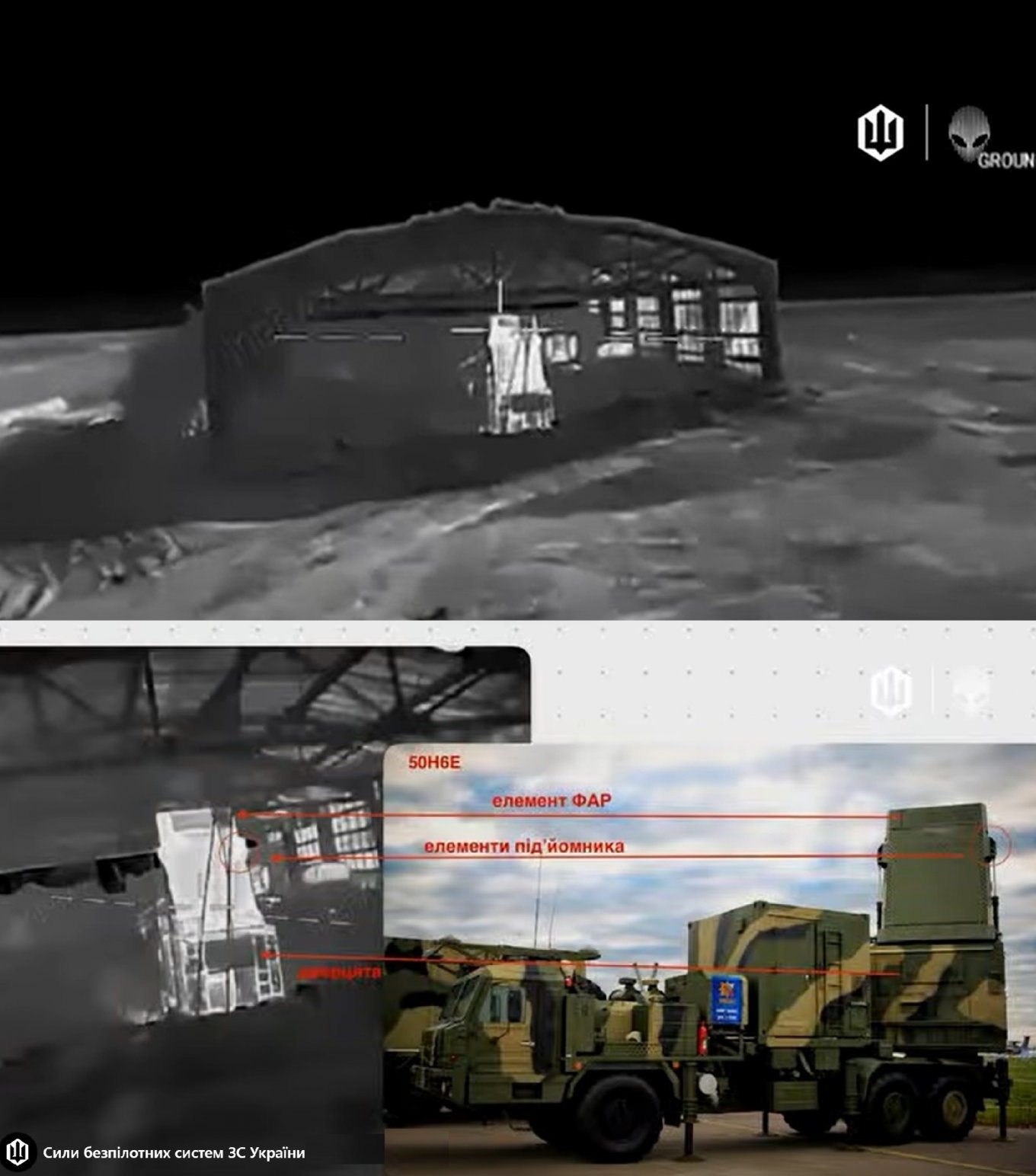
Vityaz 50N6E radar station - also in Mariupol district;
BUK SAM system - Polohiv district of Zaporizhia region;
BUK-M1 SAM system - Volnovakha district of Donetsk region;
Strela-10 SAM system - Polohiv district;
Tor-M2 SAM system - Polohiv district of Zaporizhia region.
All of these targets were destroyed or disabled during two days of active actions by Ukrainian drone operators.
It was separately reported that the Strela-10 air defense system (Pologov district, Zaporizhia region, TOT) was also hit by fighters of the 413th regiment of the SBS "Reid".
Operational depth of damage: from 46 to 160 km from the line of combat contact.
"The Unmanned Systems Forces of the Armed Forces of Ukraine systematically works to eliminate enemy air defense assets and inflict multi-million losses, weakening its military potential," press-office of Unmanned Systems Forces underlines.
Defeat of the russian Vityaz 50N6E radar station in the Mariupol district of Donetsk region / Video screenshot
Major Robert “Madyar” Brovdi is the Commander of the Unmanned Systems Forces of the Armed Forces of Ukraine (appointed in June 2025) and a Hero of Ukraine. He founded the “Madyar’s Birds” unit, which later became the basis for the 414th Strike Unmanned Systems Brigade, known for being the top-performing unit in terms of verified combat points. A combat veteran, he has operational experience in the Kyiv, Donetsk, Kherson, and Zaporizhzhia regions. Major Brovdi is a prominent figure in tactical innovation and the advanced use of unmanned aerial vehicles (UAVs) on the battlefield.

No comments:
Post a Comment