Ukraine's Strategic Targeting Of Russian Rear Areas Disrupts Pokrovsk Attacks
Pokrovsk seems always to be on the verge of falling - but then somehow never does. This pattern has continued for over a year now.
While effective Ukrainian drone attacks have received their well earned due, Ukraine's strategic targeting of Russian rear area operational staging points has significantly disrupted troop concentrations, command, control and logistics, often meaning that Russian units preparing to attack are degraded or destroyed before they can even make their way to the frontline jumping off points. The result is that when the Russians assaults, it is with small squads which are too weak to press the attack whose ineffectiveness is then compounded by aerial, HIMARS and artillery strikes which denies the Russians ability to exploit any opportunities. JL
RFU News reports:
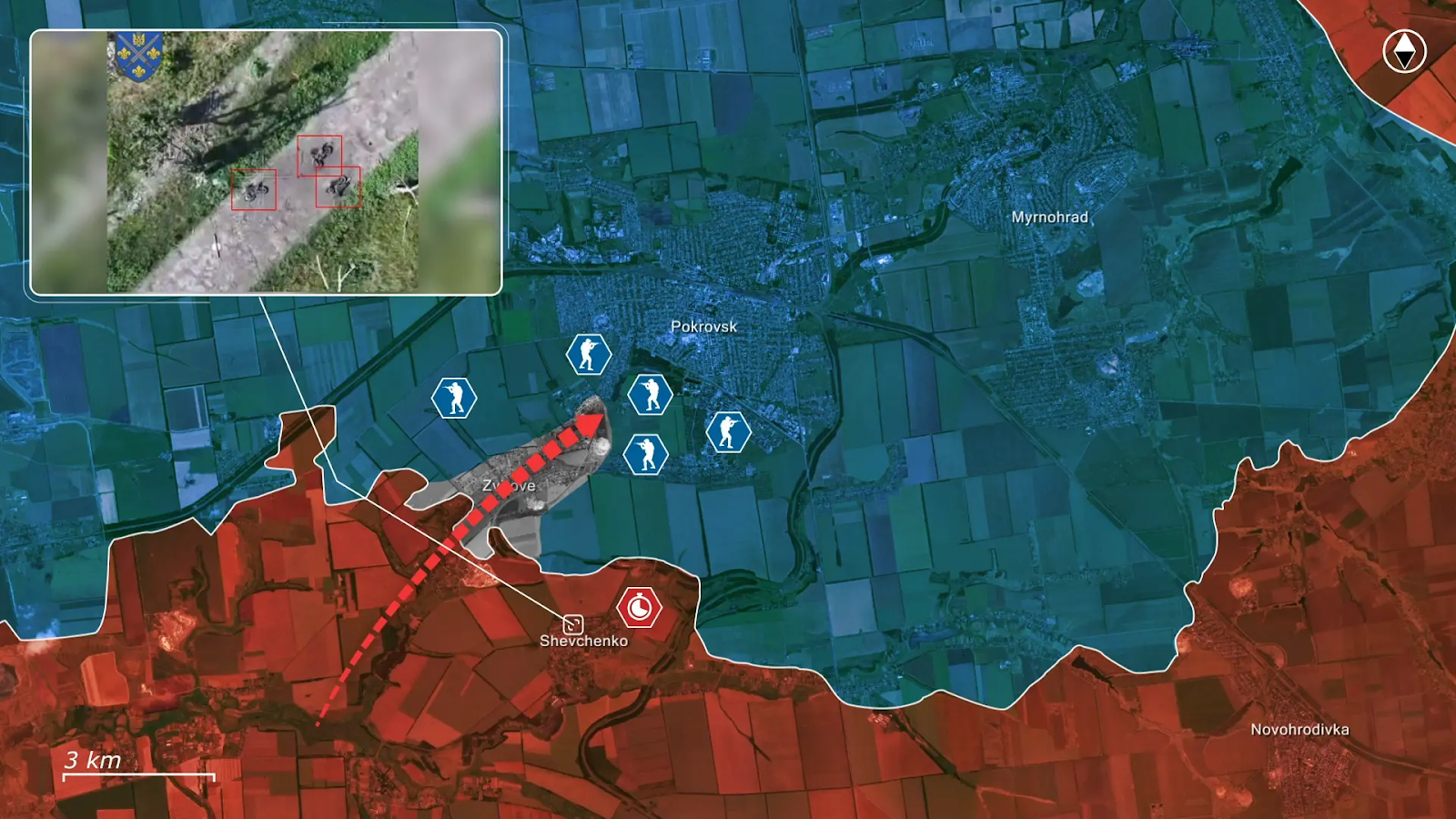
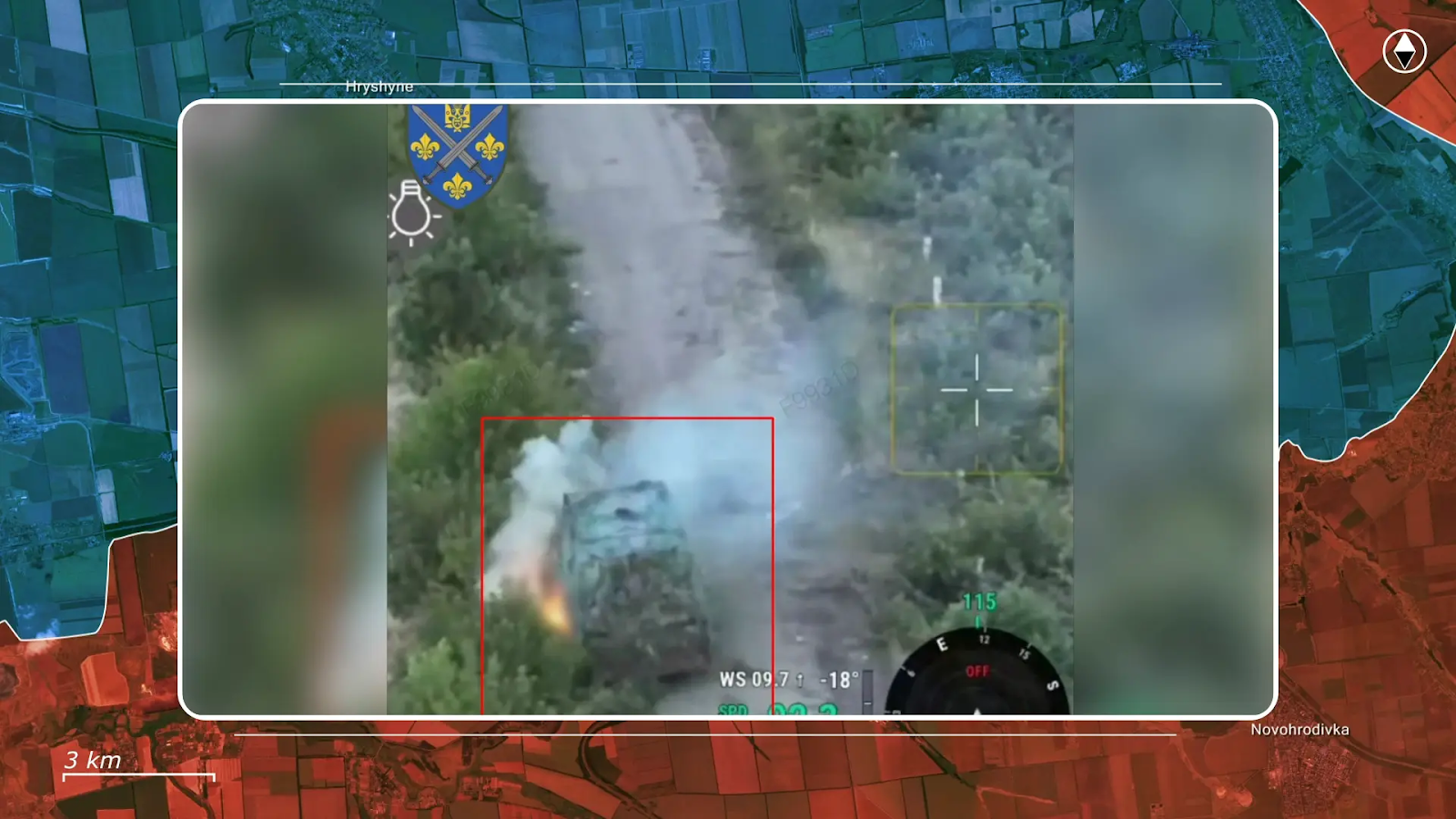
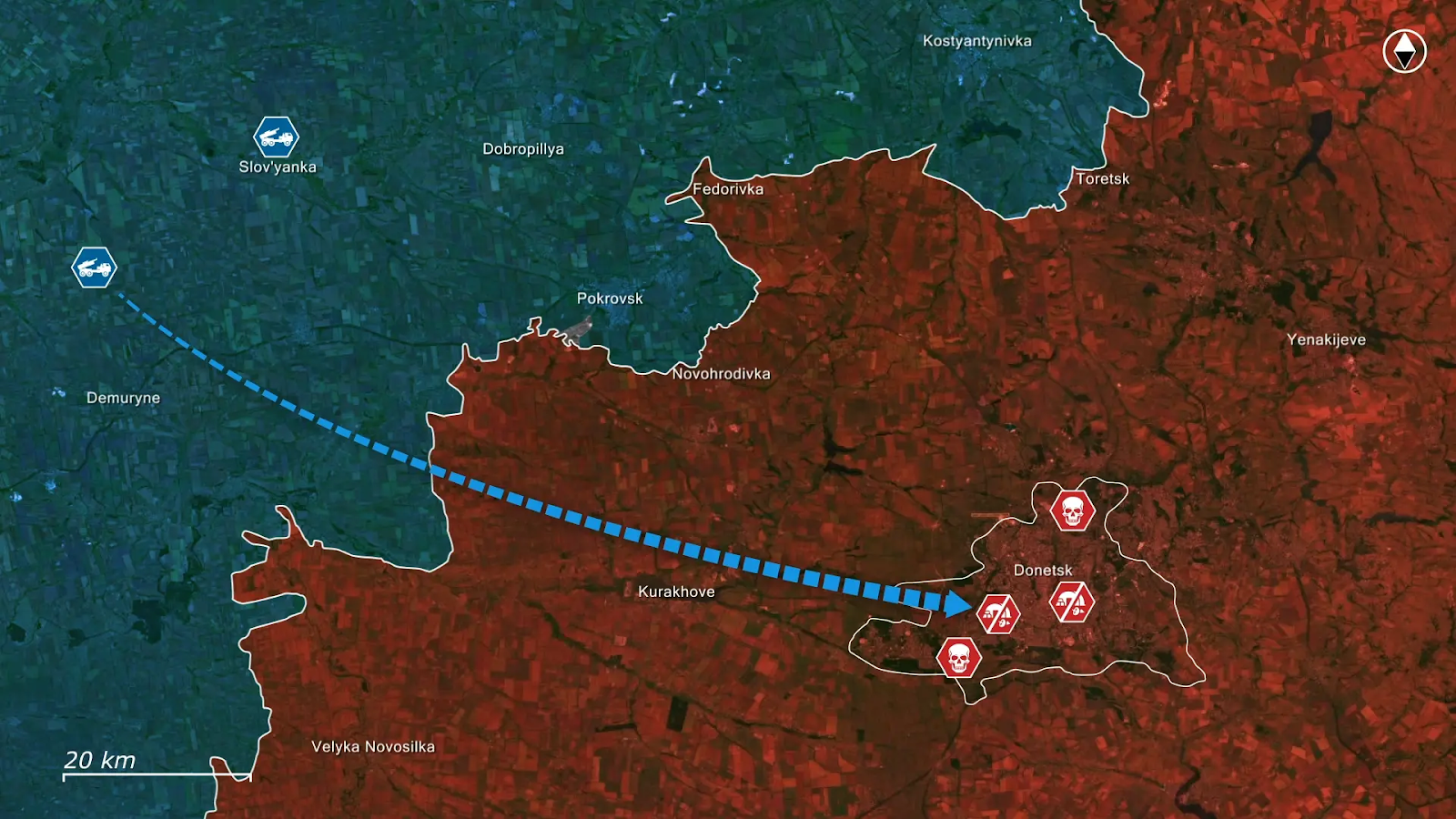
The Russians appeared poised for a direct assault on Pokrovsk, yet hey were not ready to exploit a break in the lines, missing the window of vulnerability. An infantry assault group mounted on motorcycles departing from Shevchenko was eliminated before they could leave their staging area. The Russians were desperate enough to move up a thermobaric artillery piece near the frontline, allowing Ukrainians to destroy it. Contributing to these disorganized, ineffective Russian attempts is Ukraine’s operational targeting, disrupting Russian logistics and command. Ukrainian HIMARS missile strikes systematically target troop concentrations in and around Donetsk city, thinning out Russian frontline manpower long before troops even deploy forward. Such attacks reduce Russian operational readiness
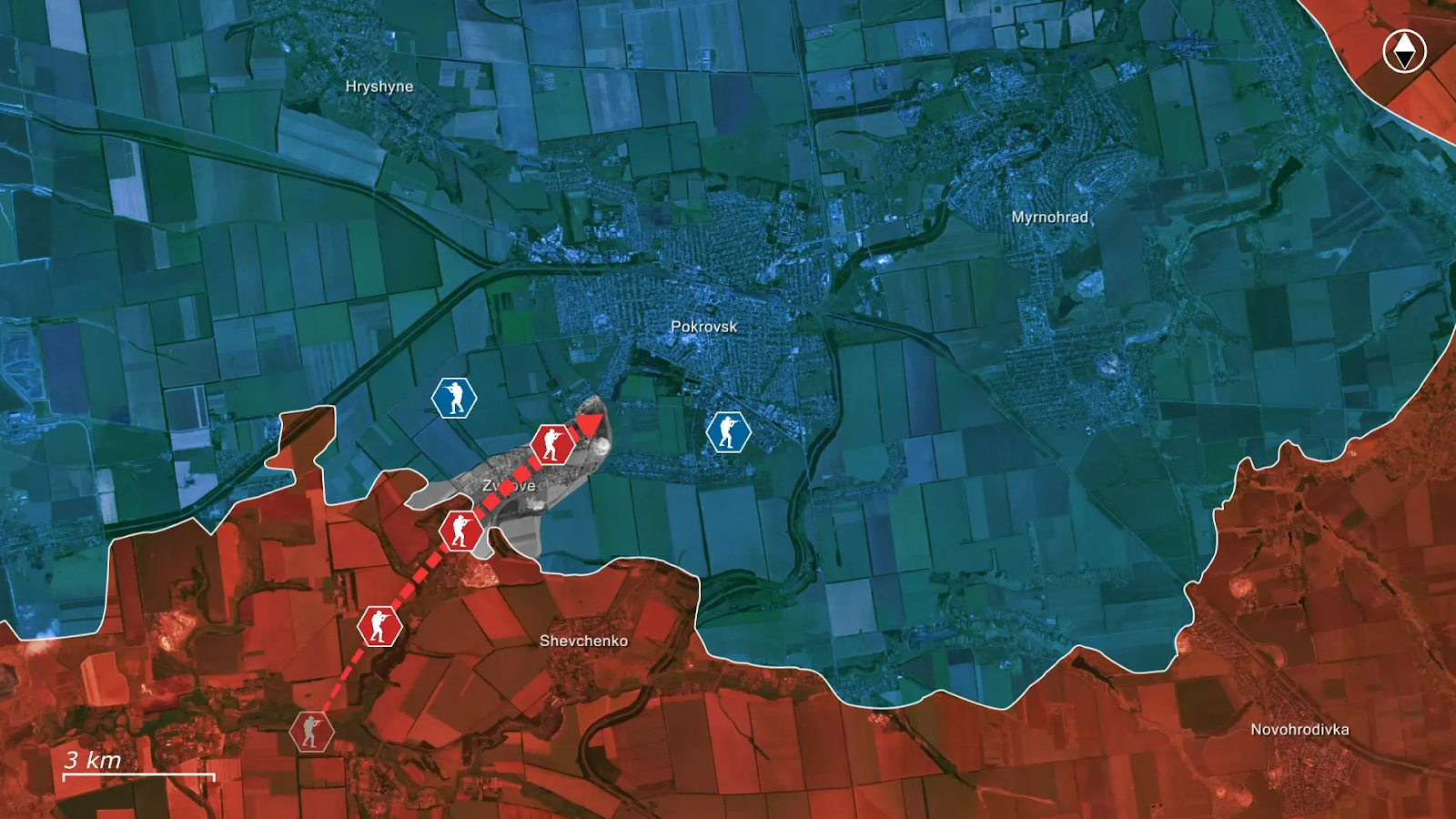
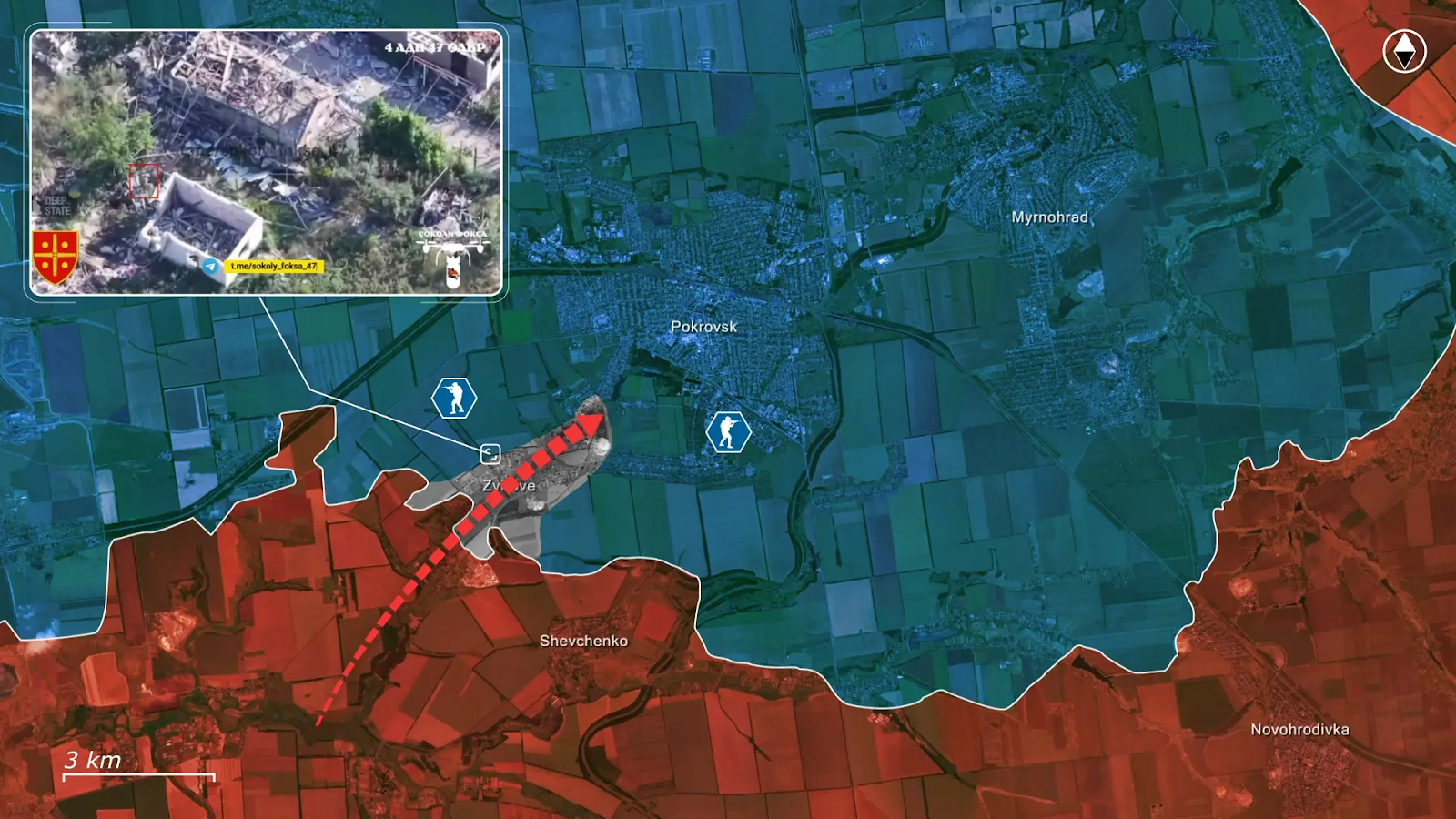
Russian sabotage units slipped through a gap in Ukrainian defenses on the outskirts of Pokrovsk, taking control of buildings and launching ambushes on Ukrainian units passing by. However, Ukrainian rapid reaction forces responded immediately, clearing the infiltrators before Russia could exploit the breach.
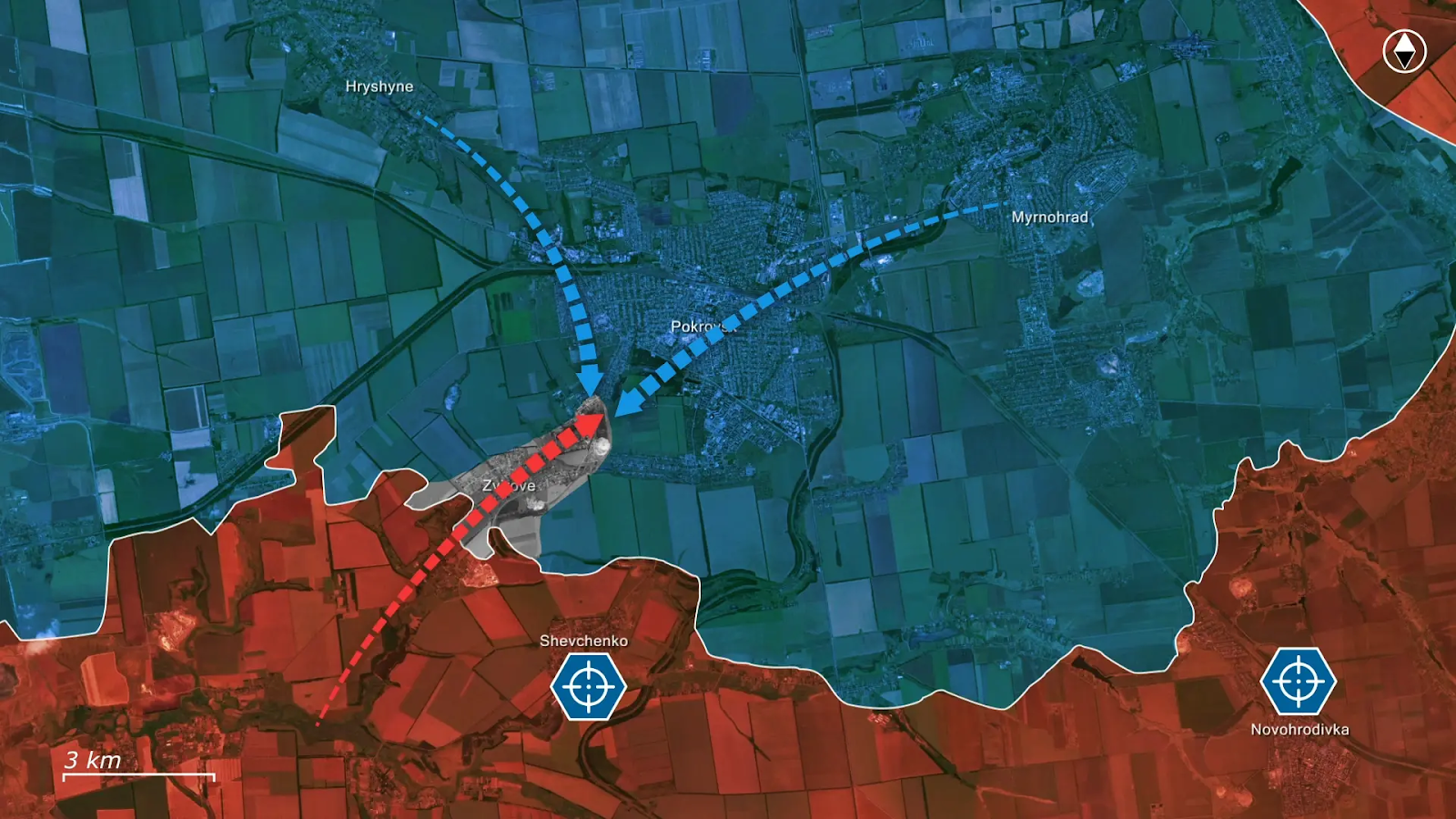
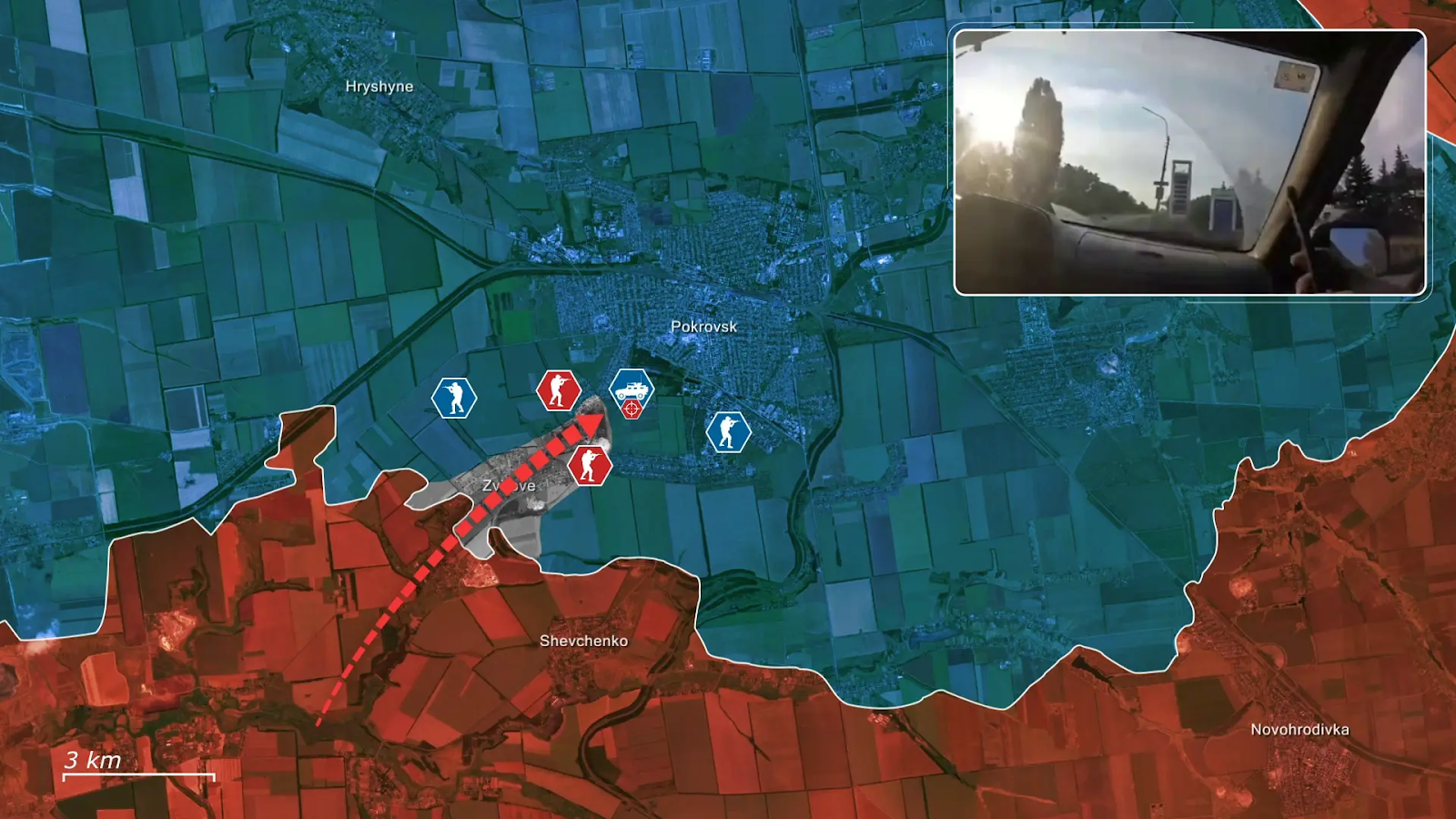
To the south of Pokrovsk, Russian sabotage and reconnaissance units managed to infiltrate the outskirts of the town through Zvirove, exploiting a momentary Ukrainian infantry shortage that created a large gap on the frontline. Leveraging local terrain such as the terrikon area, these infiltrators staged ambushes, targeting passing Ukrainian patrol vehicles, and dug themselves in in several houses throughout Pokrovsk.
However, the Ukrainian command responded swiftly by deploying rapid reaction units, urgently initiating clearance operations to neutralize the infiltrators and swiftly deal with this sudden threat.
Nevertheless, small enemy groups continued their attempts at infiltration, primarily at night, aiming to secure positions within the town perimeter until reinforcements arrived.
To counteract these persistent threats, Ukrainian forces have intensified drone surveillance over key infiltration routes, with the 47th Separate Assault Brigade releasing footage showing drone strikes successfully neutralizing enemy infantry near Zvirove.
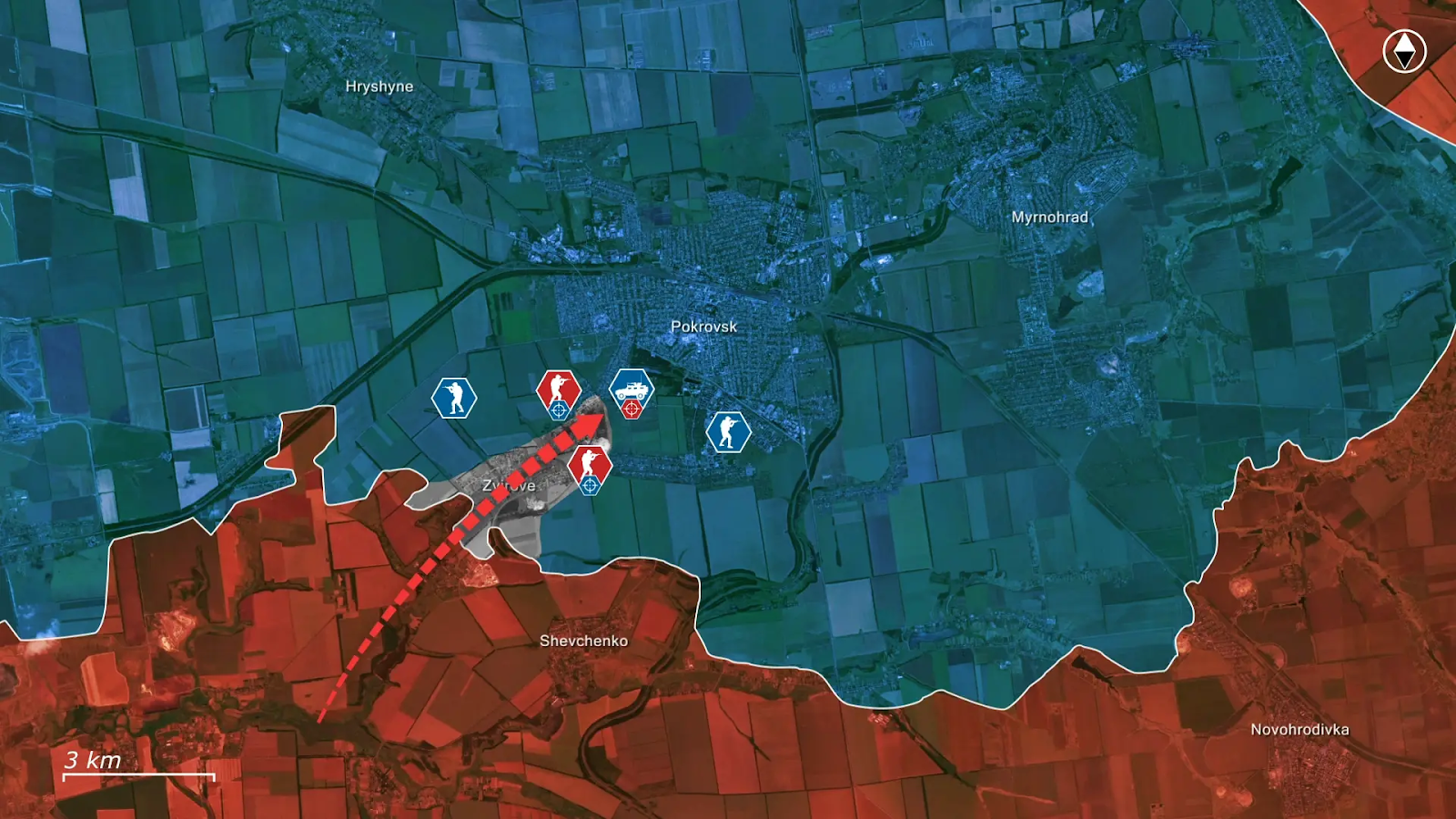
Following this infiltration, the Russians appeared briefly poised for a direct assault on Pokrovsk, yet their reaction was curiously delayed. They were not ready to exploit the sudden break in the lines, causing them to miss the brief window of Ukrainian vulnerability. By the time Russian forces assembled for an organized push, Ukrainians had reorganized the defense, and they had to start from scratch with preliminary probing attacks. One such attempt involved an infantry assault group mounted on motorcycles departing from Shevchenko, but Ukrainian FPV drone operators swiftly detected and eliminated them before they could even leave their staging area.
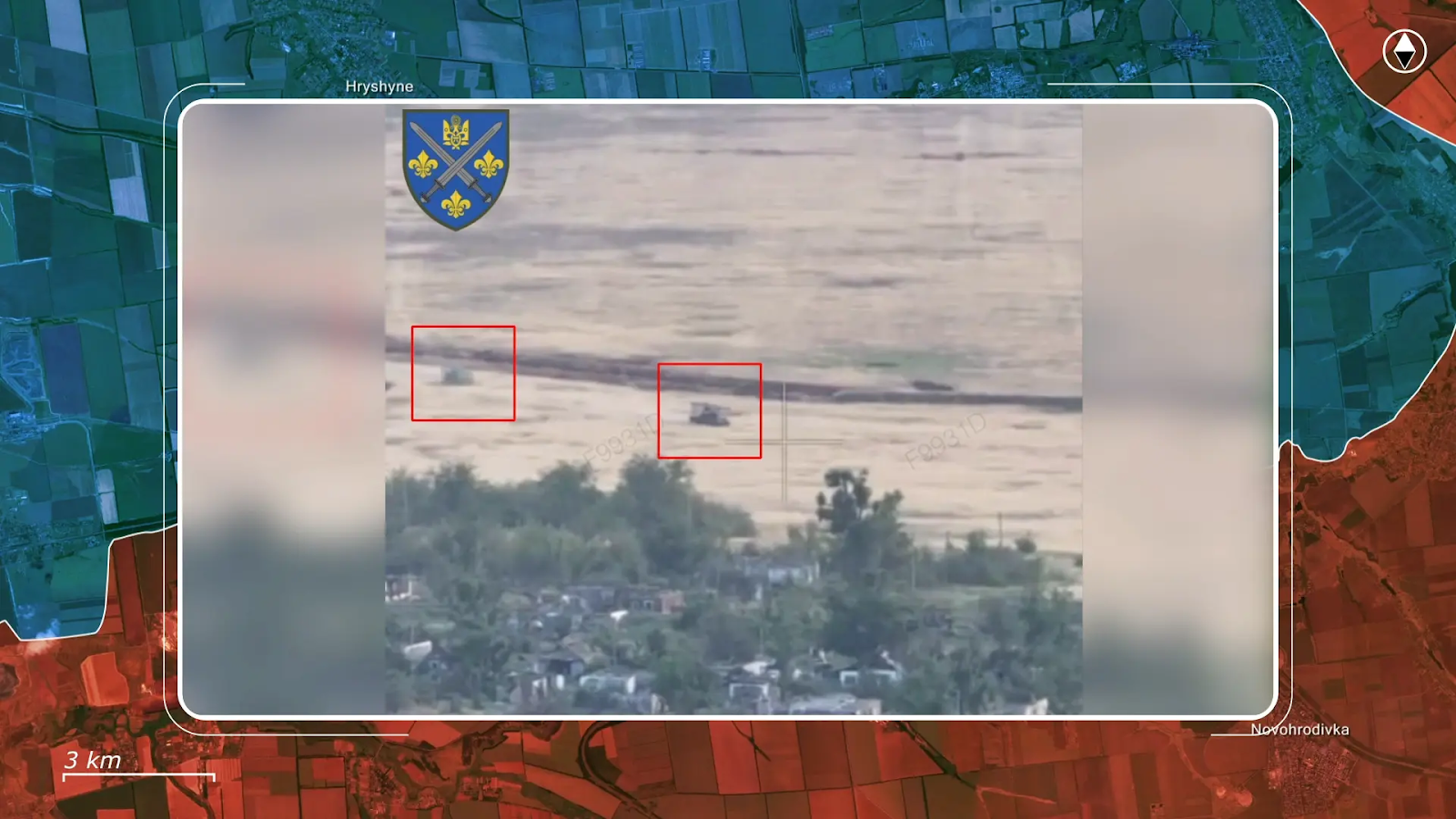
Undeterred, Russian commanders attempted a mechanized assault, the first in months for this area, again originating near Shevchenko, employing three armored vehicles. Ukrainian artillery and drone teams swiftly responded, obliterating the advancing armor in open terrain, exploiting their vulnerability without cover.
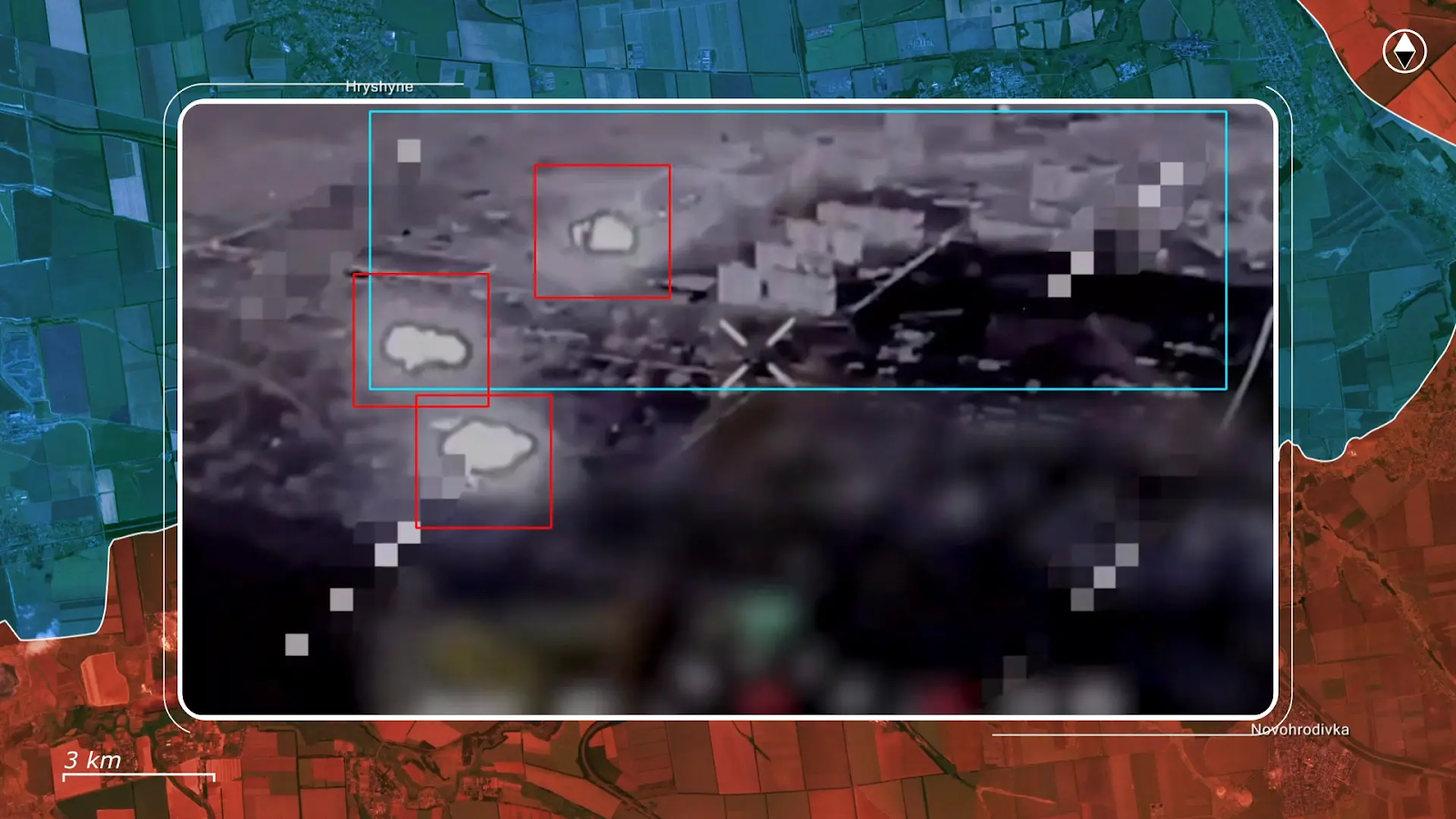
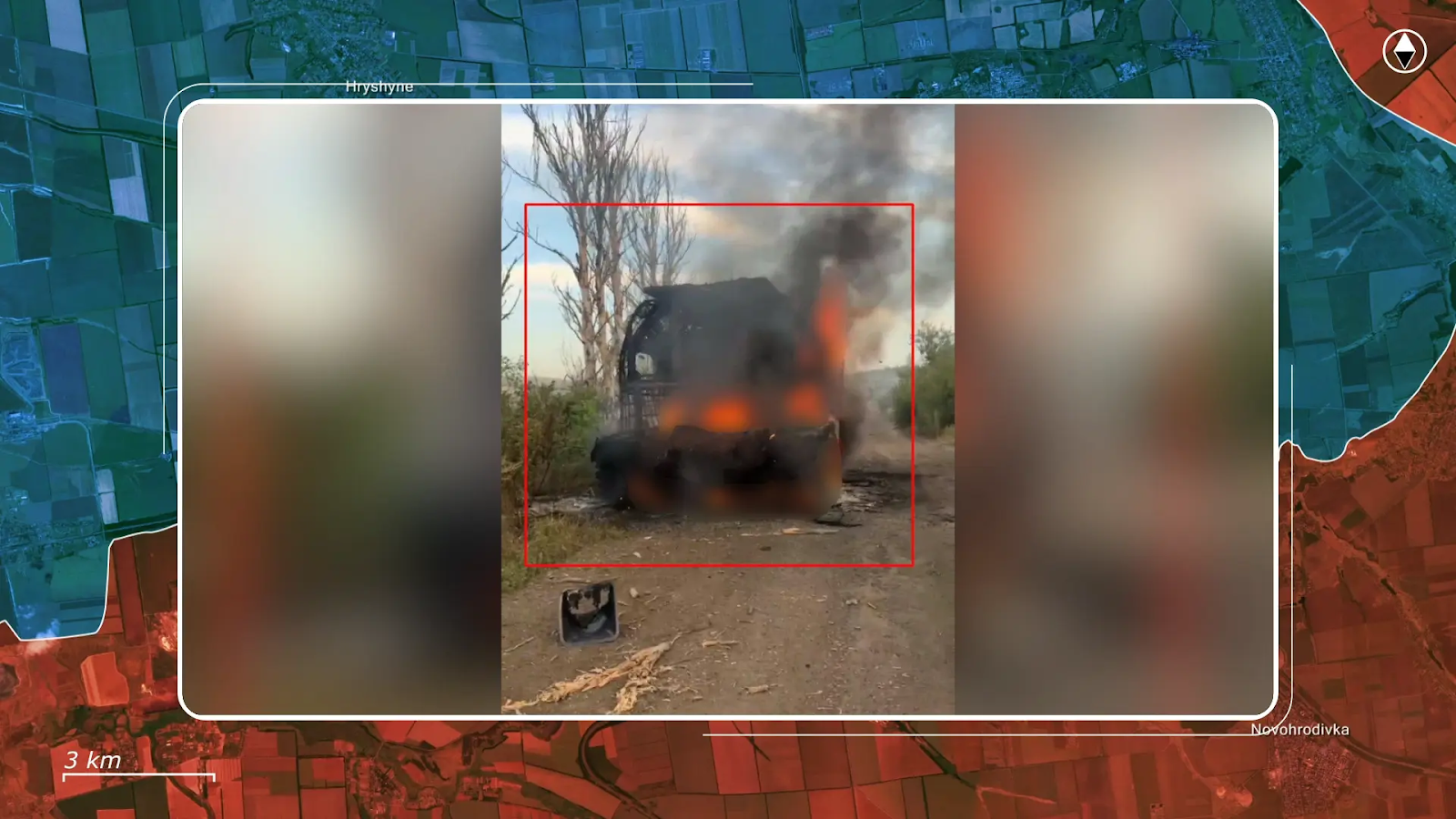
The Russians were also desperate enough to move up a TOS-1 thermobaric artillery piece near the frontline, an immensely powerful artillery system, but suffering from a short range of under 4 kilometers, allowing Ukrainians to easily destroy such a powerful Russian asset.
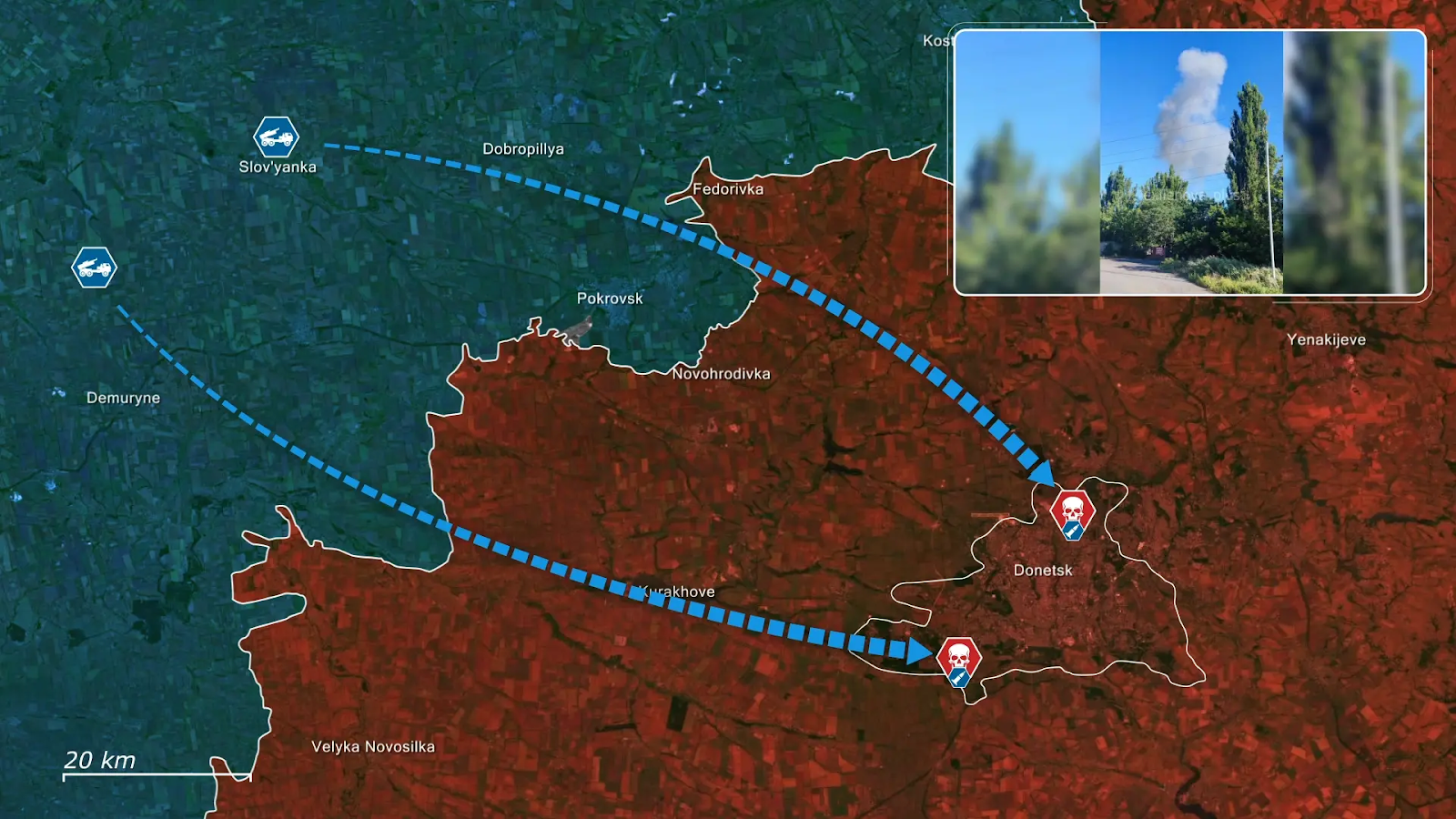
A significant factor contributing to these disorganized and ineffective Russian attempts lies in Ukraine’s strategic operational targeting, which has severely disrupted Russian logistics and command structures. Ukrainian HIMARS missile strikes systematically target troop concentrations in and around Donetsk city, effectively thinning out Russian frontline manpower long before troops even deploy forward. Such attacks drastically reduce Russian operational readiness and create logistical nightmares, leaving commanders scrambling to find soldiers for assaults.
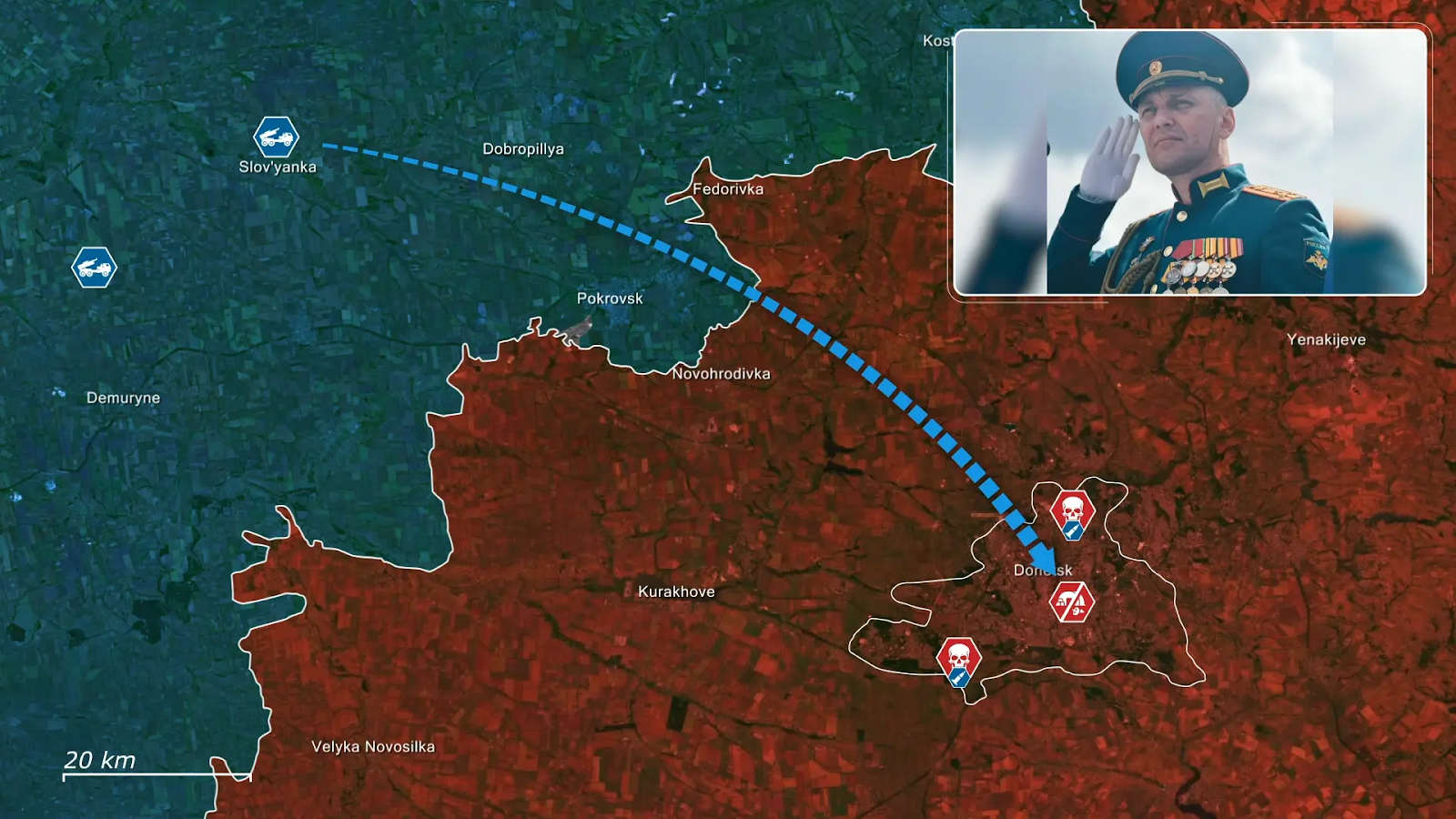
Further deepening Russian disarray, Ukrainian forces recently executed a devastating follow-up precision strike on the headquarters of Russia's 8th Guards Combined Arms Army in Donetsk. As you remember from a previous report, the first successful strike took out the only Russian commander who made any real gains for Russia in the past year. Now the second strike effectively decapitated the Russian local command by killing the newly appointed commander, along with more than 10 other high-ranking officers, including his potential successor.
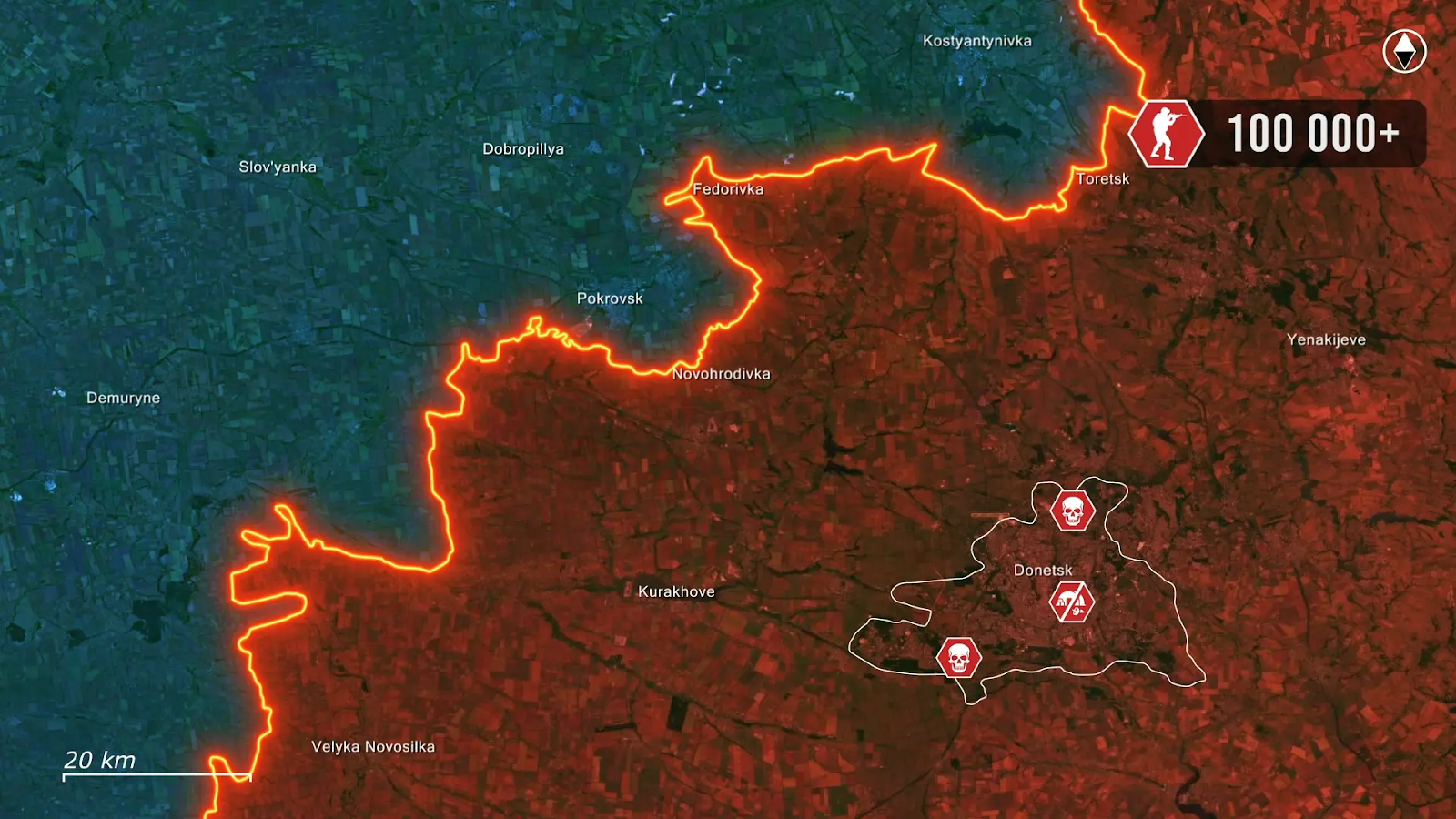
Ukrainian military officials confirmed these strikes aimed to cripple Russian command-and-control capabilities, with the new Russian commander being at the head of Russia’s most important offensive, who hasn’t planned it, and might not be qualified to lead 100,000 soldiers in a multidirectional offensive spanning from Velyka Novosilka to Pokrovsk.
The latest Ukrainian attack also targeted the command post of Russia’s 20th Motorized Rifle Division, causing additional damage to the Russian command structures.
Overall, Russian forces did manage to identify a weak spot on Pokrovsk’s southwestern perimeter, briefly infiltrating it with sabotage units. However, rapid Ukrainian reactions combined with continuous drone coverage effectively neutralized these threats before Russia could capitalize on any gains. Although initial direct assault attempts were swiftly repelled, the battle for Pokrovsk has decisively begun and will likely intensify significantly. Recognizing the massive Russian buildup in the region, over 100,000 troops strong, Ukrainian commanders have proactively targeted troop concentrations and command structures. These measures aim to disrupt Russian operational cohesion and decisively weaken their massive force deployment, laying the groundwork for continued successful defense that could break Russian forward momentum.
As a Partner and Co-Founder of Predictiv and PredictivAsia, Jon specializes in management performance and organizational effectiveness for both domestic and international clients. He is an editor and author whose works include Invisible Advantage: How Intangilbles are Driving Business Performance. Learn more...





0 comments:
Post a Comment