


Sergii Koztesz reports in the Kyiv Post:
Despite their extensive combat experience, the infantry must constantly train. Ukraine is switching from Kalashnikov rifles to Western-style AR-platform rifles. The main thing is to be able to act in small groups, fire at various distances, and quickly retreat from the “work” location. Shooting drills are done in uncomfortable conditions - from a standing position on a suspended platform, which your comrades shake to make it harder. “The enemy is constantly moving, so we give them exercises to train their eye. At 50 meters, 150, then 200." Mobile, trained groups are much more effective in modern warfare. No one moves in company-sized formations anymore. "On the battlefield now you have to improvise a lot."Infantry is the foundation of any war. Despite the activity of drones and the major role of long-range missile and UAV strikes, it is the infantry that defines the front line – which runs exactly where the soldier’s foot stands.
The position of infantry determines who controls a given territory. Even though infantry played a key role in early 2022 – destroying enemy equipment, including with Javelin and NLAW systems – it now eliminates far fewer enemies than drones do. Just a year ago the infantry actively went on assaults. Now, due to threats from the air, it spends most of its time trying to not to leave fortified trenches unnecessarily. Nevertheless, it remains the main branch of the armed forces in this war.
It is the infantry that carries out offensive operations, holds positions, and conducts quick mobile advances – as it did a year ago in Russia’ Kursk Oblast.
And of course, it needs to change under the pressure of new circumstances of war – to incur fewer losses and remain effective.
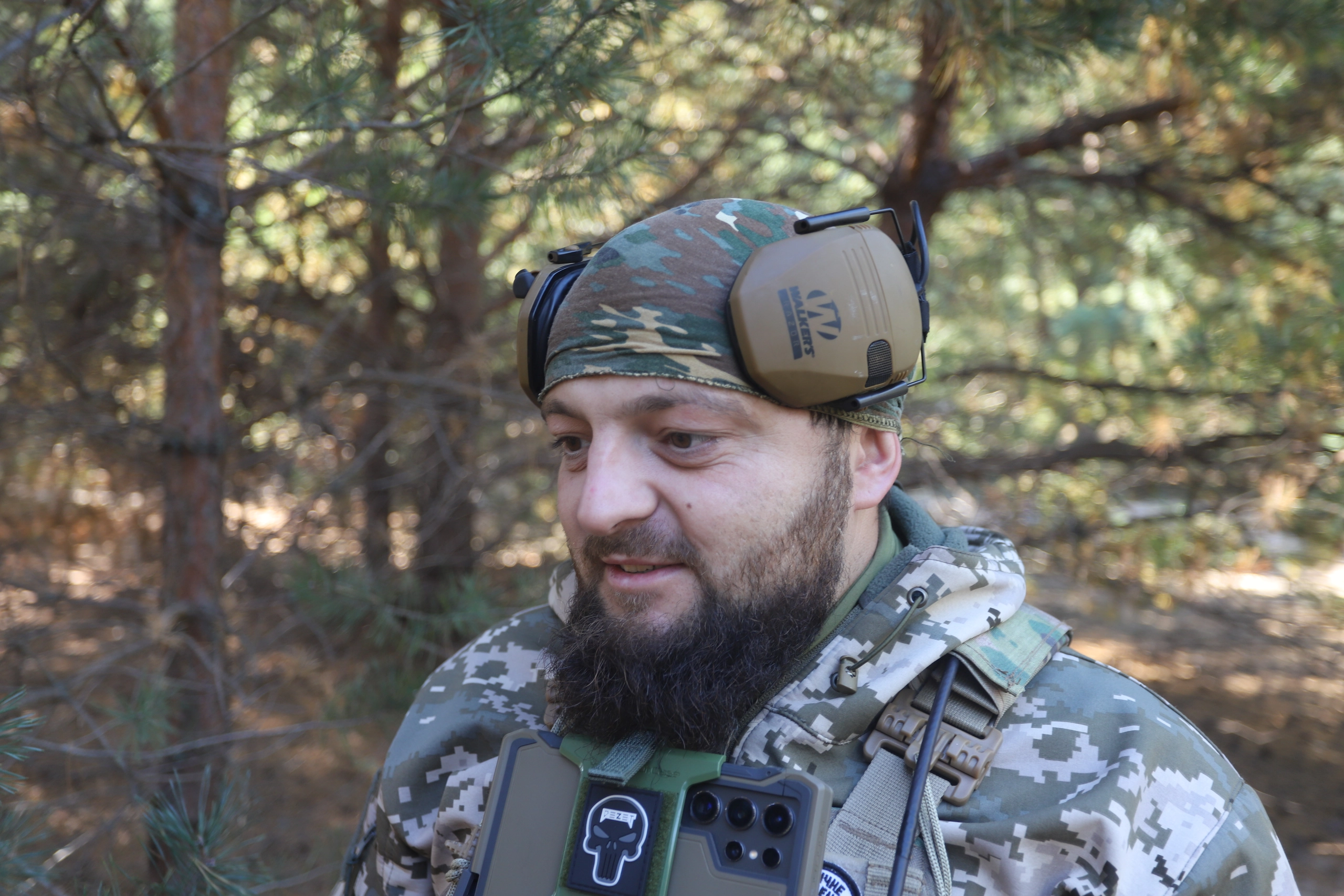
Call sign “Timokha,” the commander of the 41st Separate Mechanized Brigade, has been fighting for 10 years.
Callsign "Timokha". Photo by Sergii Kostezh/Kyiv Post “I’ve been in since 2015. I was conscripted for regular service. I liked it, signed a contract, went through training, and now I’ve served for 10 years. Why infantry? Because it’s interesting, it’s new emotions every day. Everything depends very much on the team. The guys are very united – once you become friends with them, you no longer want to leave the infantry,” he says.
The 41st Separate Mechanized Brigade is relatively young – formed from various units in 2023 – but it has already fought on all main fronts of the war, including in Russia.
“These are brave Cossacks who have been through a lot. They were in the Kursk region, in Sudzha, worked in the Kharkiv direction, in Vovchansk, and in New York – a little city in the Donetsk Region! Now we’re improving our skills in using both the AK-47 and the American-style assault rifle,” Timokha says.
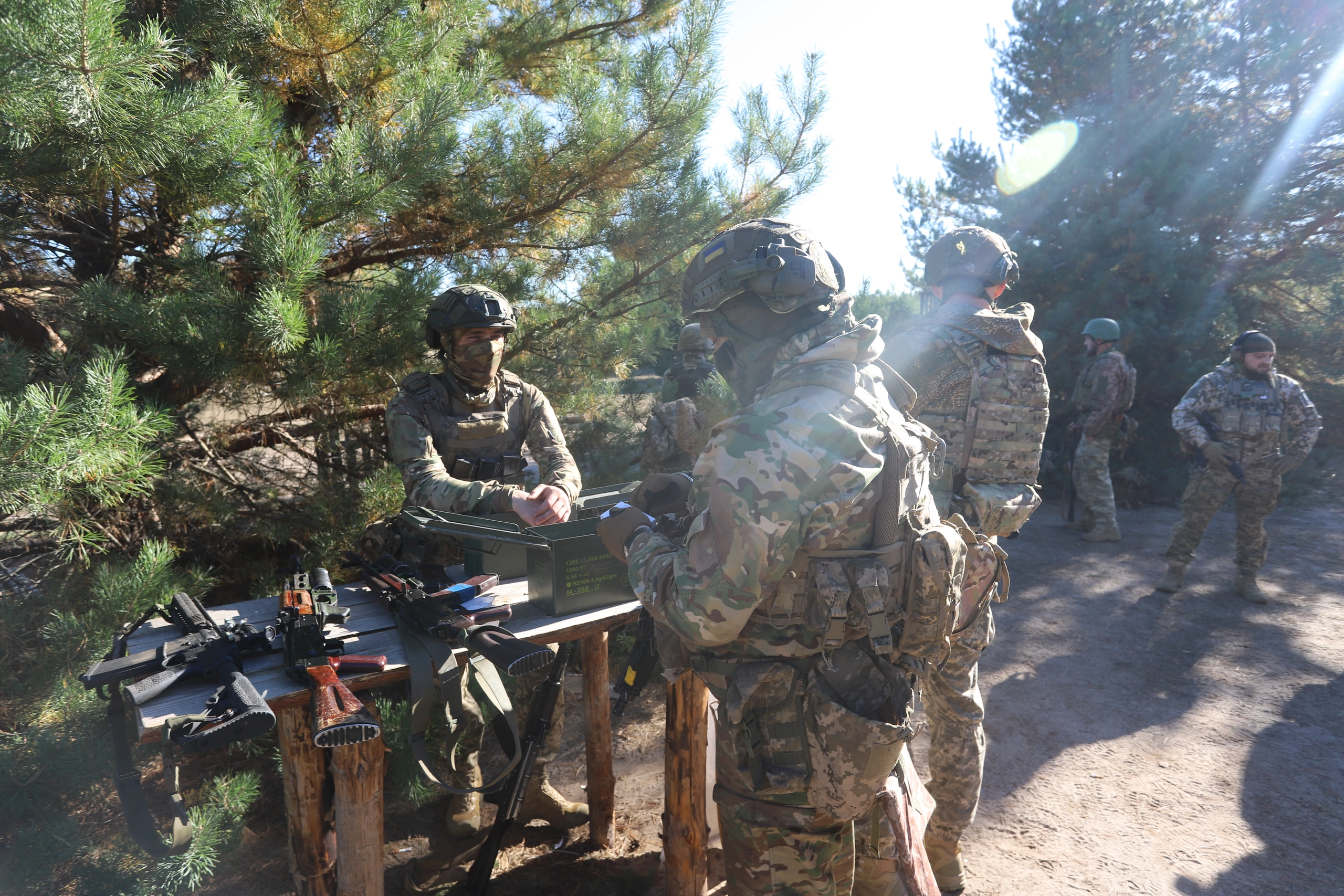
We’re with his unit at the training ground. Despite their extensive combat experience, the infantry must constantly train. Now the soldiers are switching from Kalashnikov rifles to Western-style weapons – AR-platform rifles. Call sign “Chasik,” originally from the Donbas, says the war has changed a lot, and training alongside combat operations is essential.
41st Brigade servicemen rearming their rifles. Photo by Sergii Kostezh/Kyiv Post “The guys have become higher level – both on the range and in combat. They’ve become much more… how to put it… effective. Without training, it would be extremely difficult in battle,” Chasik says.
Callsign "Chasik". Photo by Sergii Kostezh/Kyiv Post “In 2015, everything was strictly by the manual, which was written a very, very long time ago – before the 1990s. And it’s long since been a different kind of war. We already felt it in 2022 and realized we had to change tactics, the course of training, and gain new experience. Drones both help a lot and interfere a lot. A modern infantryman has to watch the sky as much as the ground – many ‘interesting things’ can come flying from above,” Timokha adds.
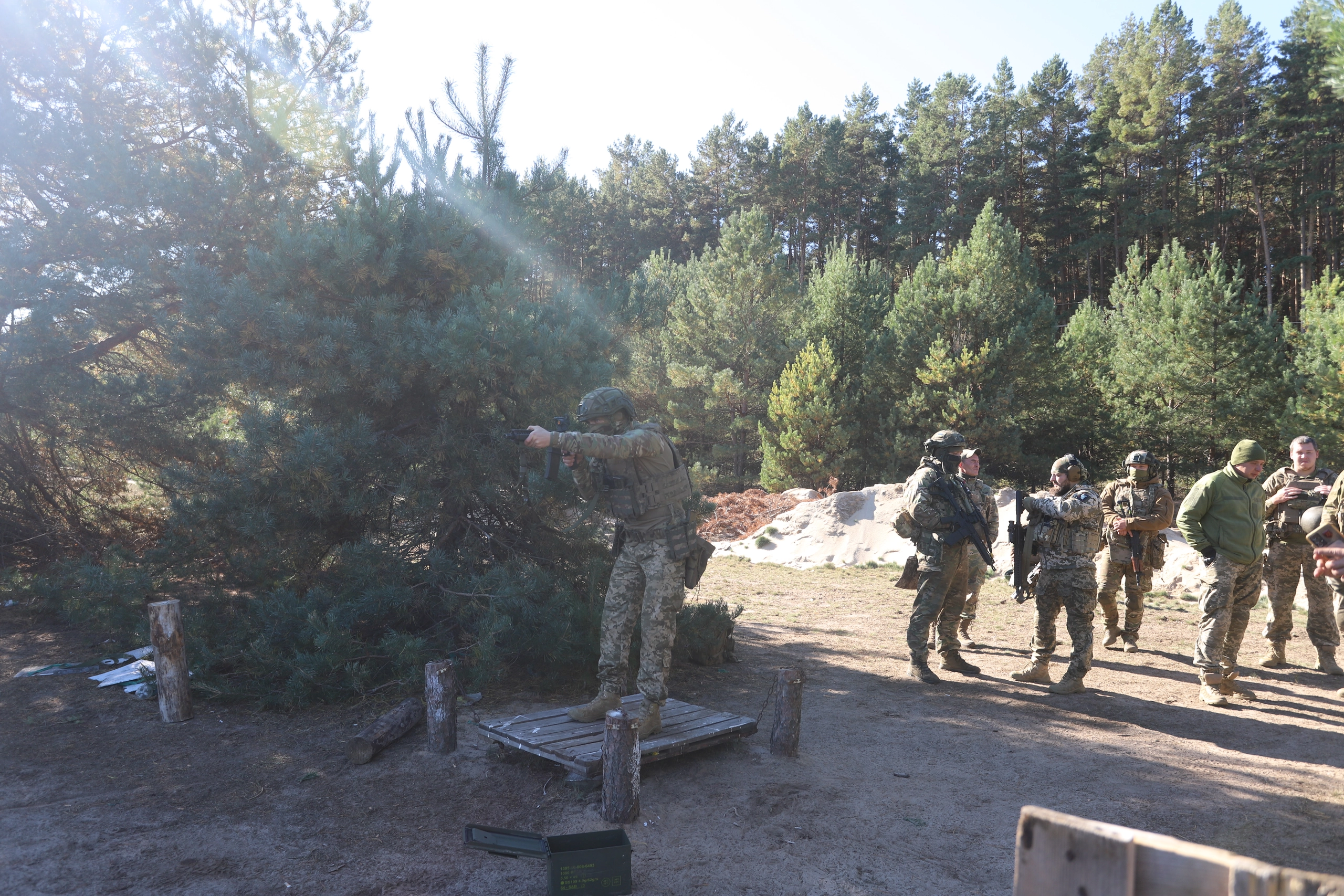
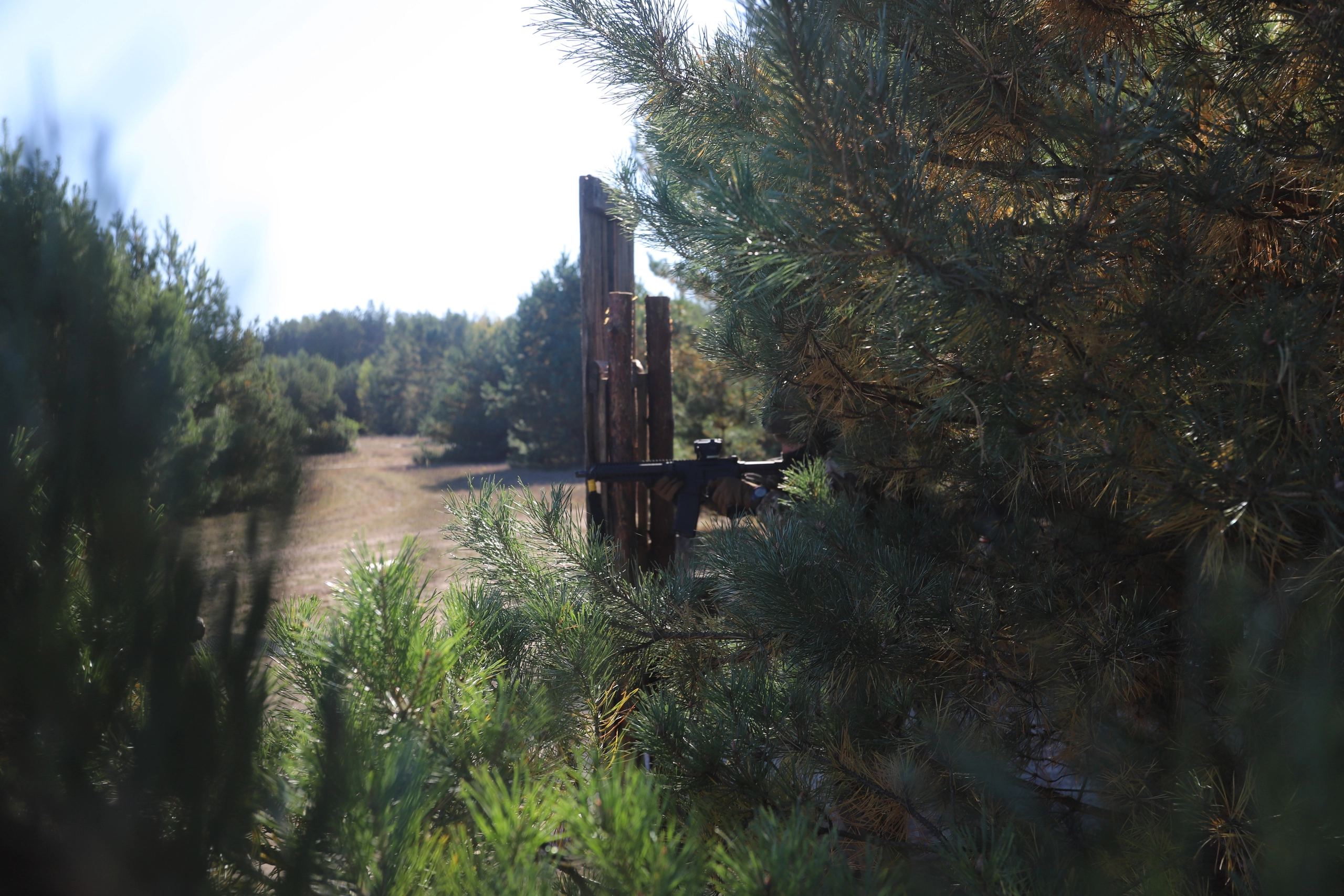
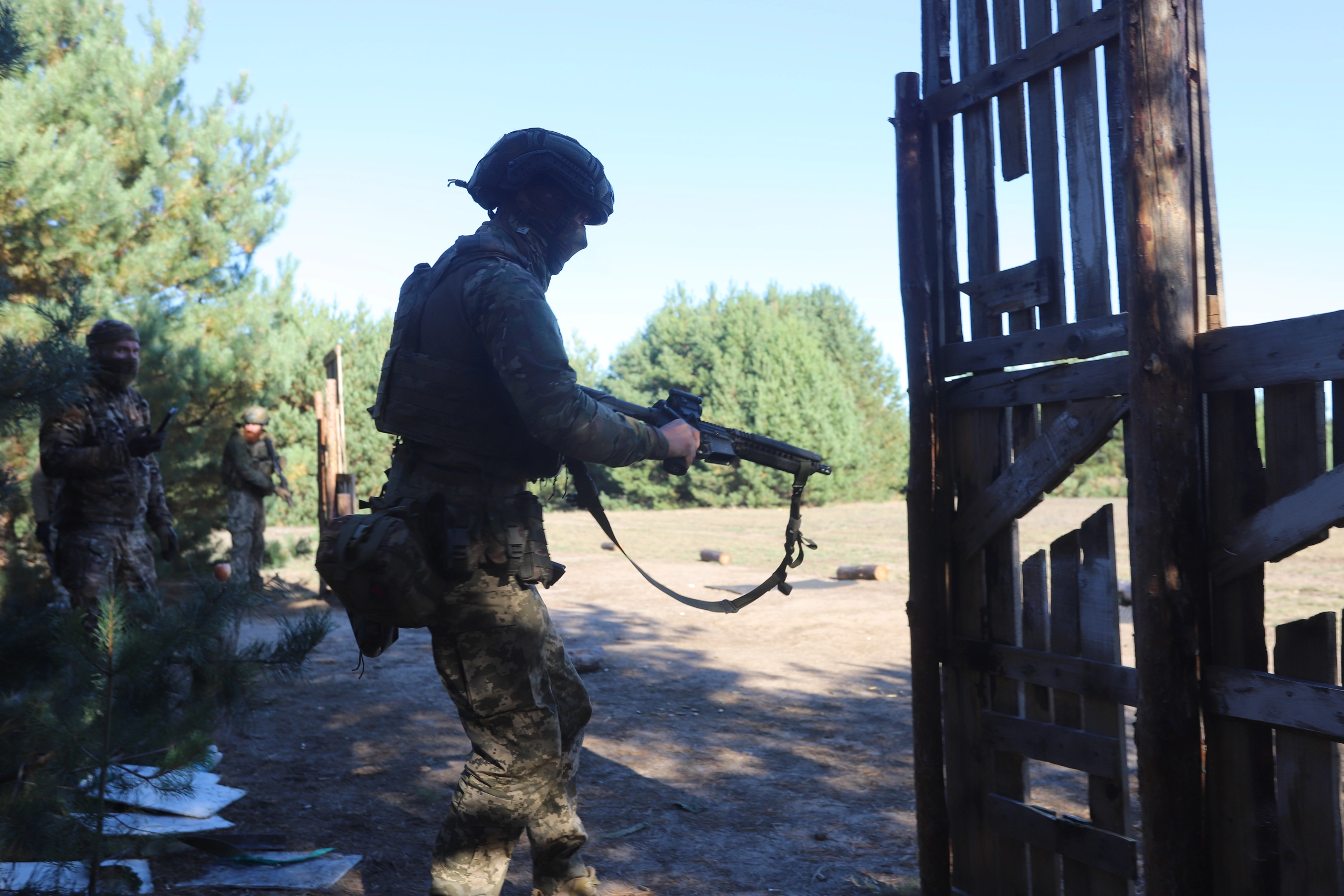
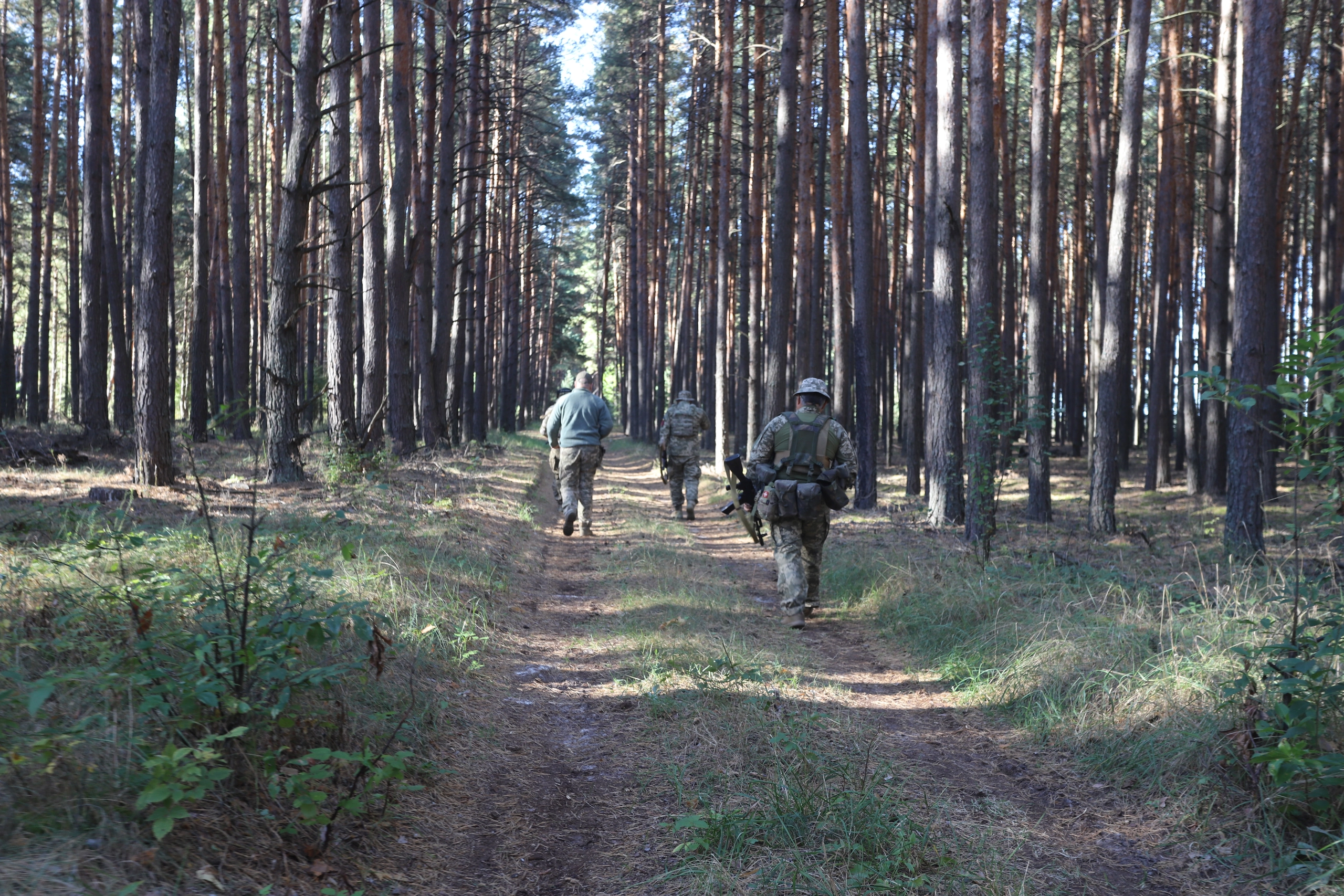
The main thing is to be able to act in small groups, fire at various distances, and quickly retreat from the “work” location. For this, shooting drills are done in the most uncomfortable conditions. Sometimes you shoot from a standing position on a suspended platform, which your comrades constantly shake to make the task harder.
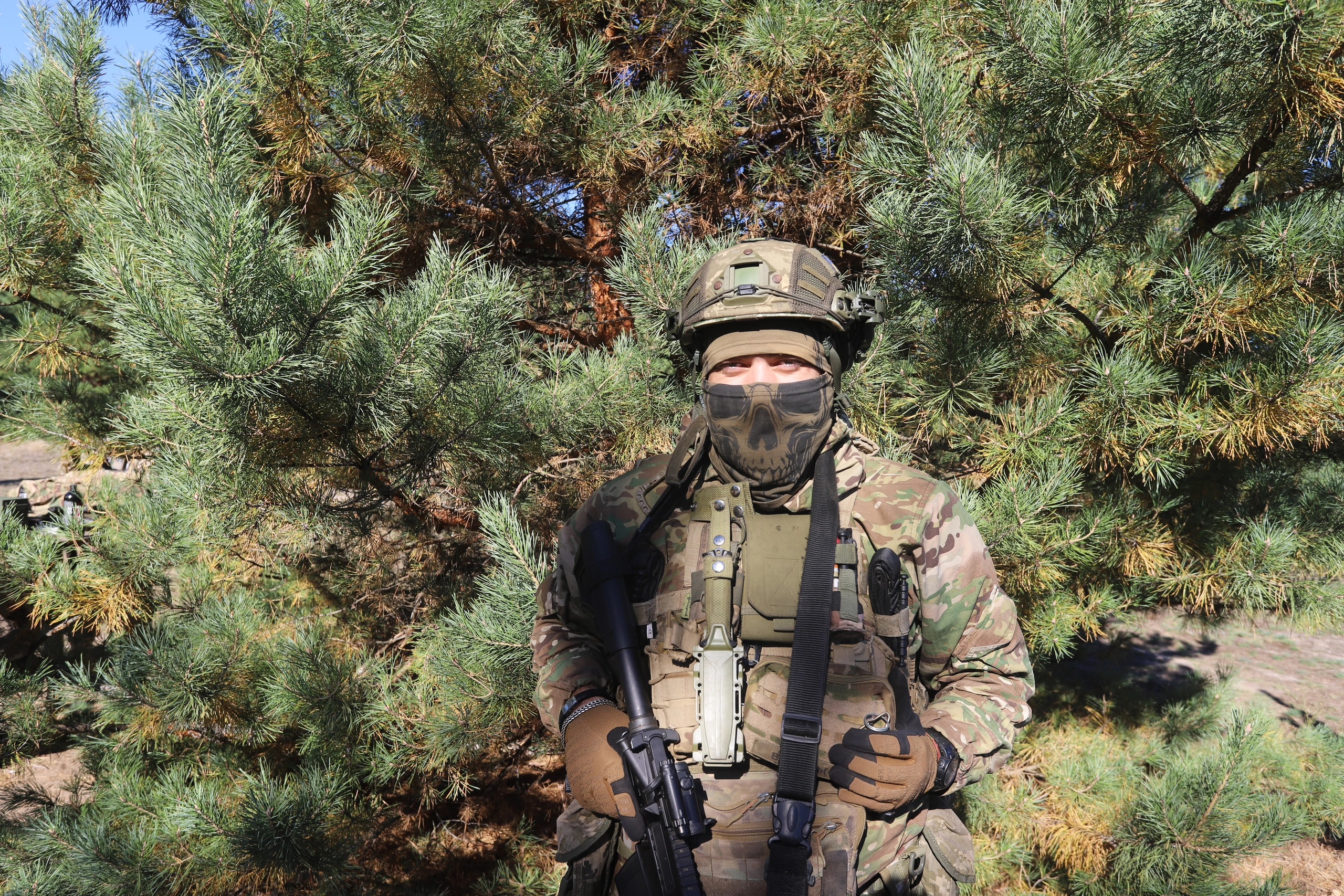
Training process. Photo by Sergii Kostezh/Kyiv Post After that, you change position and shoot at another distance, then lying down and firing in another direction at a different range, and retreat.
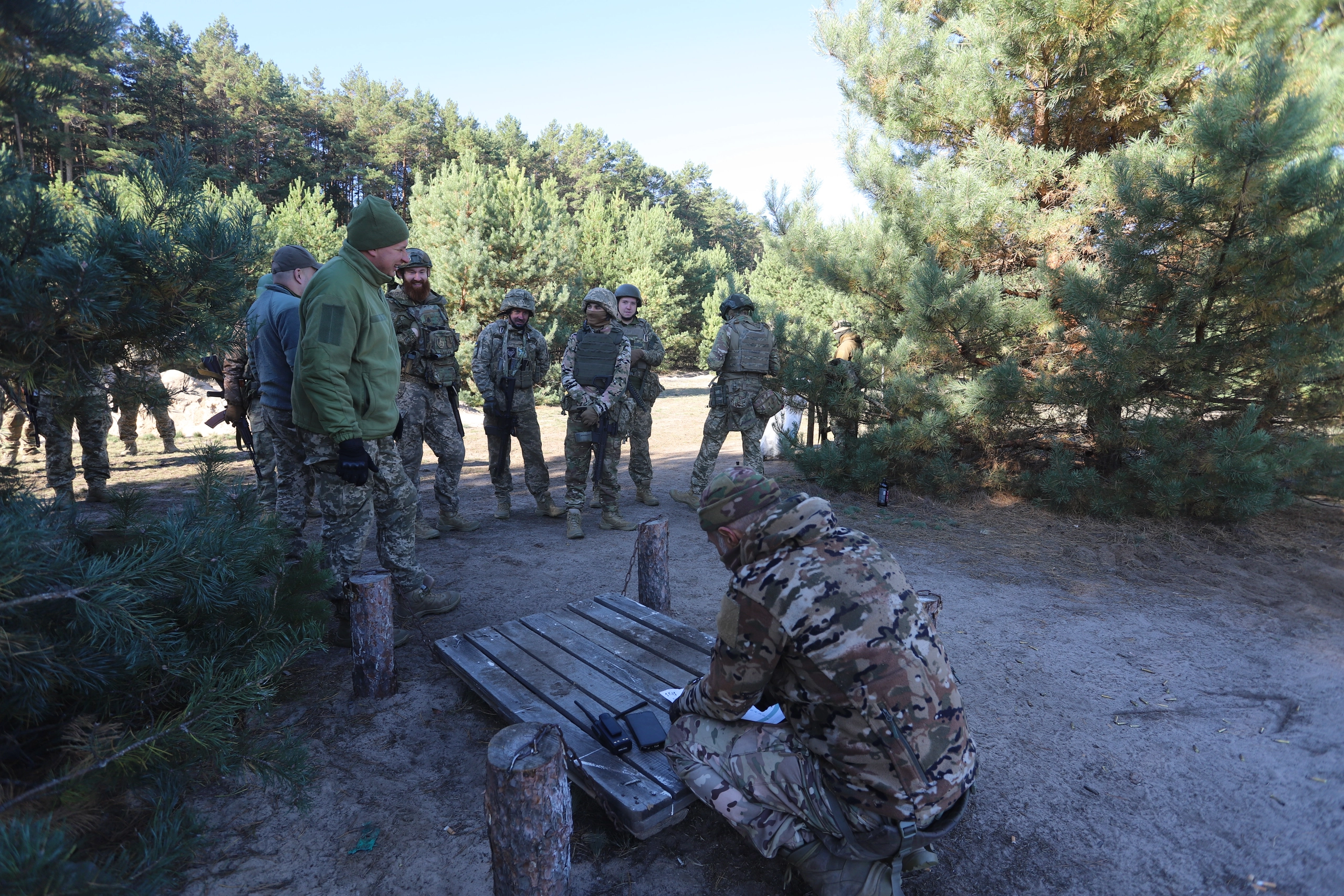
Training process. Photo by Sergii Kostezh/Kyiv Post The instructor, “Shambhala,” records the time – it’s a competition not only for accuracy but also for speed.
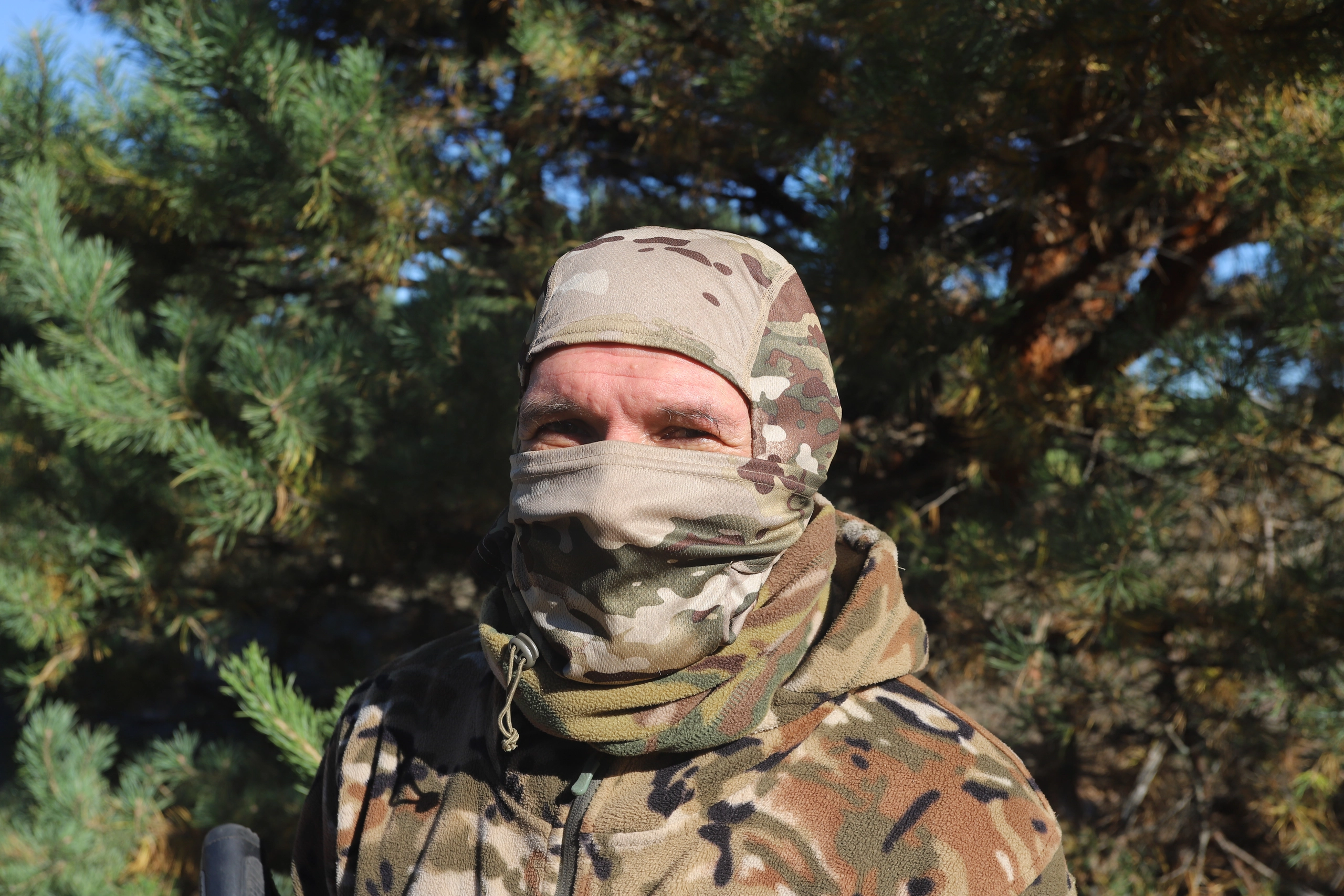
Callsign "Shambala" (sitting) instructing soldiers. Photo by Sergii Kostezh/Kyiv Post “The enemy is constantly moving, so we immediately give them exercises to train their eye. At 50 meters, 150, then switching to 200. Everything must be worked out – your breathing gets shaken, dust rises. We do it in a game-like format to trigger adrenaline – we determine the winner; it’s not just that they shoot and that’s it,” Shambhala says.
Callsign "Shambala". Photo by Sergii Kostezh/Kyiv Post Advertisement
Training process. Photo by Sergii Kostezh/Kyiv Kost “Each exercise is about survival – both for each of them and for the group as a whole. A small group can inflict much greater damage than an entire infantry company. Our training principle is called ‘lone soldier in the field.’ One person, moving, knowing camouflage, knowing the technical characteristics of his weapon, reading the enemy’s intent, can strike, withdraw, strike again, withdraw again – so we can hold back the enemy with a small, mobile survivable group,” says Shambhala.
Chasik is one of those who have already fought this way, including as part of a sabotage and reconnaissance group in Russia’s Kursk Oblast.
“I was in the Kursk region, went out with the guys to scout the situation, and we ran into an enemy sabotage group. Recon versus recon, you could say… We got out without losses,” says Chasik.
Training process. Photo by Sergii Kostezh/Kyiv Post Equally important is that the infantry is constantly expanding – now it’s not just riflemen, but also programmers, radio technicians, combat medics, mechanics, and more.
“There are many specialties – from programmers to drivers. Even tractor operators are needed, because digging a trench line with shovels is clearly not ‘comme il faut.’ Machinery helps, but you have to know how to operate it,” Timokha says.
But the most important thing is morale. The guys joke, tease each other – it’s clear they’re a family. They say the main thing is to trust those beside you and not doubt yourself – that’s what they teach in the 41st SMB. It’s no coincidence their motto is “Faith is stronger than fear.”
“On the battlefield now, you have to improvise a lot. What you need are nerves of steel, a cool head – and forward!” says Timokha.
“You have to be brave enough to take and hold positions. Should you be scared? I don’t think so,” Chasik says.


2 comments:
WordPress website designers truly play a vital role in creating functional and visually appealing websites. Their ability to combine design creativity with technical expertise makes WordPress such a powerful platform for businesses of all sizes. A skilled designer can turn a simple idea into a professional online presence that not only looks amazing but also performs well in terms of speed, SEO, and user experience.
Vevor promotion code are a great way to save money on a wide range of industrial and commercial equipment
Post a Comment