30% of 'Russian Troops' On Lyman Front Are Foreigners, Eager To Surrender
Ukrainian units fighting on the Lyman front, where they have pushed the Russians back so far that a once threatening salient has been eliminated, are reporting that as many as 30% of the 'Russians' they are fighting are foreigners from Africa, Latin America and Southeast Asia.
The implication is that the Kremlin's recruitment woes are more serious than has been reported. This also explains some of the Ukrainians' success in the sector because many of these non-Russian fighters were forced into serving under false pretenses so are more likely to surrender when given the chance than are native Russians. JL
Ivan Khomenko reports in United 24:
On the Lyman front, foreigners now account for roughly 30% of personnel in newly deployed Russian units. The proportion of foreign nationals serving in Russian formations within Ukraine's 66th Mechanized Brigade's area of responsibility has continued to increase. Many come from African, Latin American and Southeast Asian countries and were recruited into Russian service through deception. When Russia deploys a fresh company into the brigade’s area of responsibility, approximately one platoon can consist entirely of foreign personnel. These recruits generally receive limited military preparation before being deployed on combat missions. The brigade has linked this practice to an increase in cases of foreign fighters surrendering to Ukrainian forces.
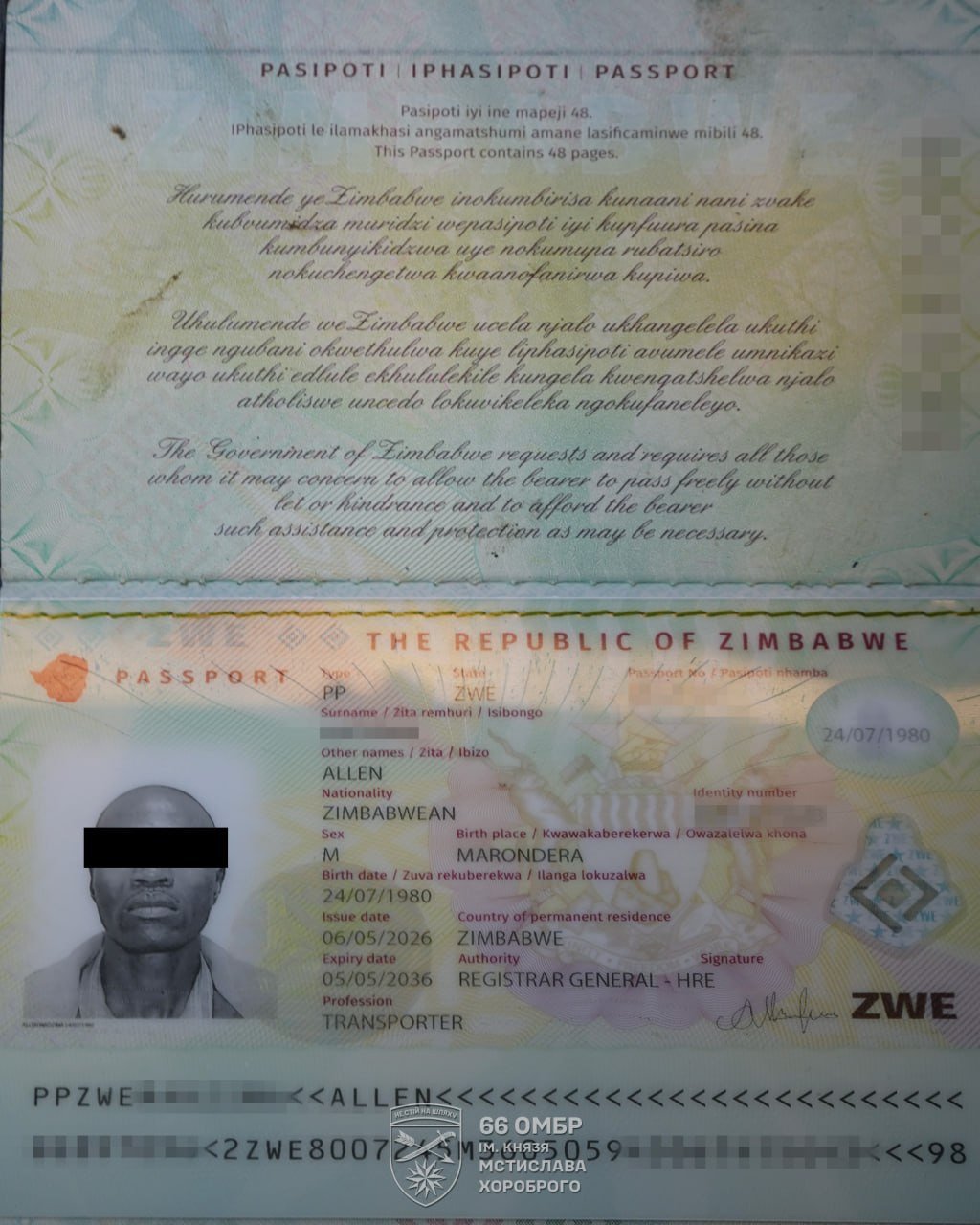
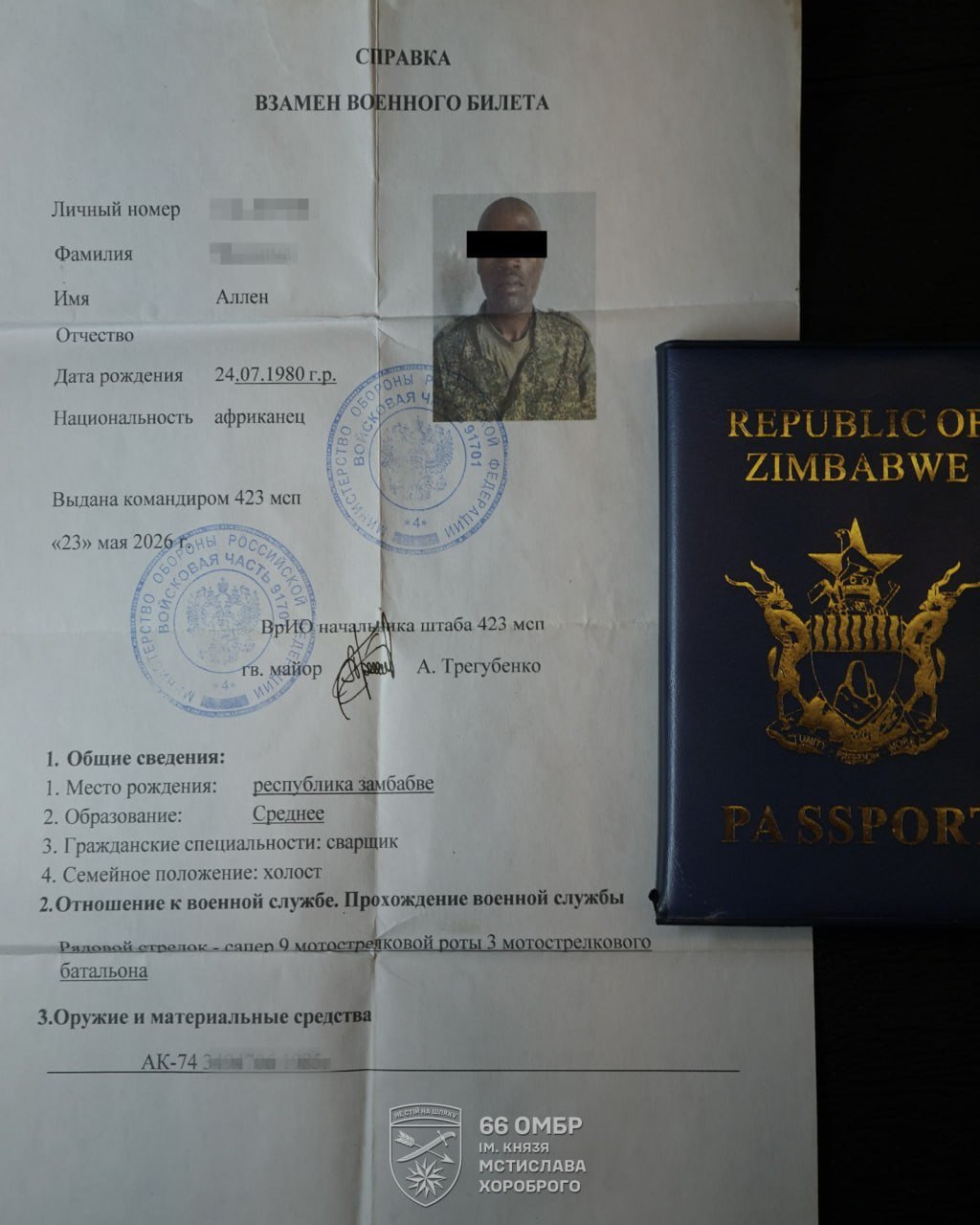
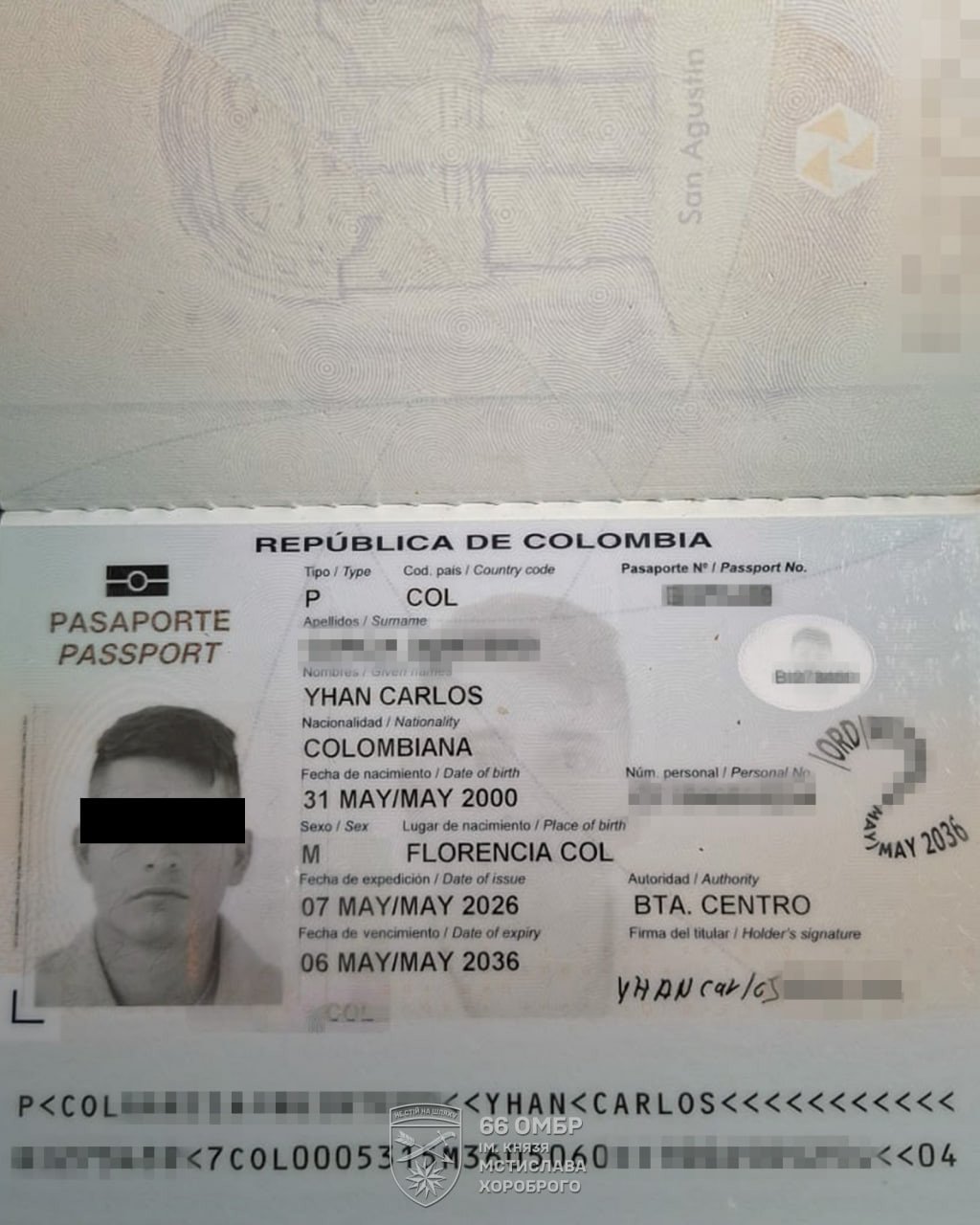
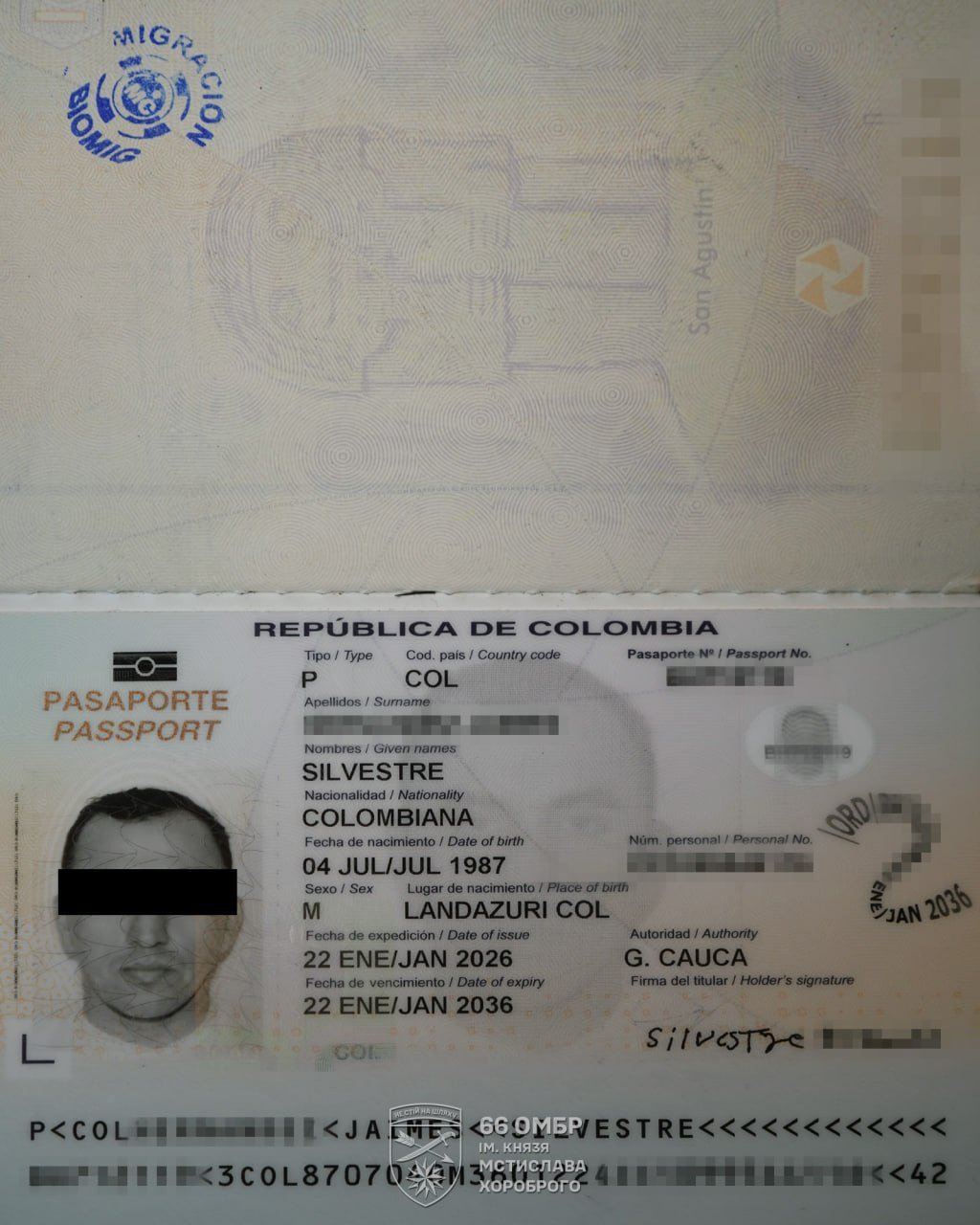
Ukrainian forces have eliminated foreign nationals from Colombia and Zimbabwe fighting in Russian ranks on the Lyman front, where foreigners now account for roughly 30% of personnel in newly deployed Russian units, Ukraine’s 66th Separate Mechanized Brigade said on September 2.
According to the brigade, the Colombian and Zimbabwean fighters were killed by soldiers of its 3rd Mechanized Battalion “Fireflies” and the “Siverska Sich” Motorized Infantry Battalion.
Zimbabwean passport belonging to a foreign fighter serving in the Russian military. (Source: 66th Separate Mechanized Brigade)Russian military documents issued to a Zimbabwean national serving in Russia’s armed forces. (Source: 66th Separate Mechanized Brigade)
The brigade said the proportion of foreign nationals serving in Russian formations within its area of responsibility has continued to increase, particularly among newly deployed units. Many come from African and Latin American countries and, according to the Ukrainian military, were recruited into Russian service through deception.
The September 2 statement follows an assessment provided several days earlier by Vasyl Denysiuk, spokesperson for the 66th Separate Mechanized Brigade, who toldSuspilne on August 29 that foreign personnel were increasingly common among Russian reinforcements arriving on the Lyman axis.
Colombian passport belonging to a foreign fighter serving in the Russian military. (Source: 66th Separate Mechanized Brigade)Colombian passport belonging to another foreign fighter serving in the Russian military. (Source: 66th Separate Mechanized Brigade)
According to Denysiuk, the recruits come from Latin America, Africa, and Southeast Asia. He said that when Russia deploys a fresh company into the brigade’s area of responsibility, approximately one platoon can consist entirely of foreign personnel.
Denysiuk also said the recruits generally receive limited military preparation before being deployed on combat missions. The brigade has linked this practice to an increase in cases of foreign fighters surrendering to Ukrainian forces.
At the same time, Russian forces have continued reinforcing the Lyman sector with assault troops and drone crews while attempting to identify vulnerable sections of the Ukrainian defensive line, Denysiuk told Suspilne.
The latest cases add to a broader pattern of foreign nationals serving in Russia’s military. On August 4, Ukrainian Ombudsman Dmytro Liubinets said Ukraine had captured citizens of 51 countries while they were fighting in Russian ranks.
As a Partner and Co-Founder of Predictiv and PredictivAsia, Jon specializes in management performance and organizational effectiveness for both domestic and international clients. He is an editor and author whose works include Invisible Advantage: How Intangilbles are Driving Business Performance. Learn more...




0 comments:
Post a Comment