


Ukrainian manufacturers have vast experience in drone production, while the U.S. has the funds to expand defense tech Ukraine’s capabilities. A megadeal between the two countries could be advantageous for both. The army US lacks small drones, which are being produced in the millions by “American adversaries." Ukrainian drones are cheaper than their US counterparts, and are produced in large quantities with constant improvements based on battlefield applications. Ukraine is desperate for an influx of American money. The proceeds of any sales could help Ukrainian firms design new and improved weapons and scale up production, driving down the cost of the weapons for all buyers.
Ukrainian manufacturers have vast experience in drone production, while the U.S. has the funds required to expand Ukraine’s capabilities. A megadeal between the two countries could be hugely advantageous for both. But export control, Chinese components, and bureaucracy in the U.S. are the main challenges for Ukraine now.
The Cabinet of Ministers expanded their program of deregulation on explosive materials.
The Russians are close to creating their own analog of the Baba Yaga heavy bomber drone. Meanwhile, the Ukrainian MoD announced a grant program for startups. Ukr Smart Tech is recruiting manufacturers to create an autonomous interceptor of Shahed drones. And Defence Builder allocated three grants for startups that finished their accelerator program.
What an Ukraine-U.S. megadeal on drones would mean
Despite closely observing the war and its innovations, the U.S. Army only recently announced it would begin equipping all active-duty combat divisions with drones— 1,000 per division, a relative pittance compared to the scale of the drone war in Ukraine.
Ukrainian drones are cheaper than their American counterparts, and they are produced in large quantities with constant improvements based on battlefield applications.
That’s why, according to President Zelenskyy, Ukraine and the U.S. are teaming up for a ‘megadeal’ that could see Kyiv supply drones for the American military.
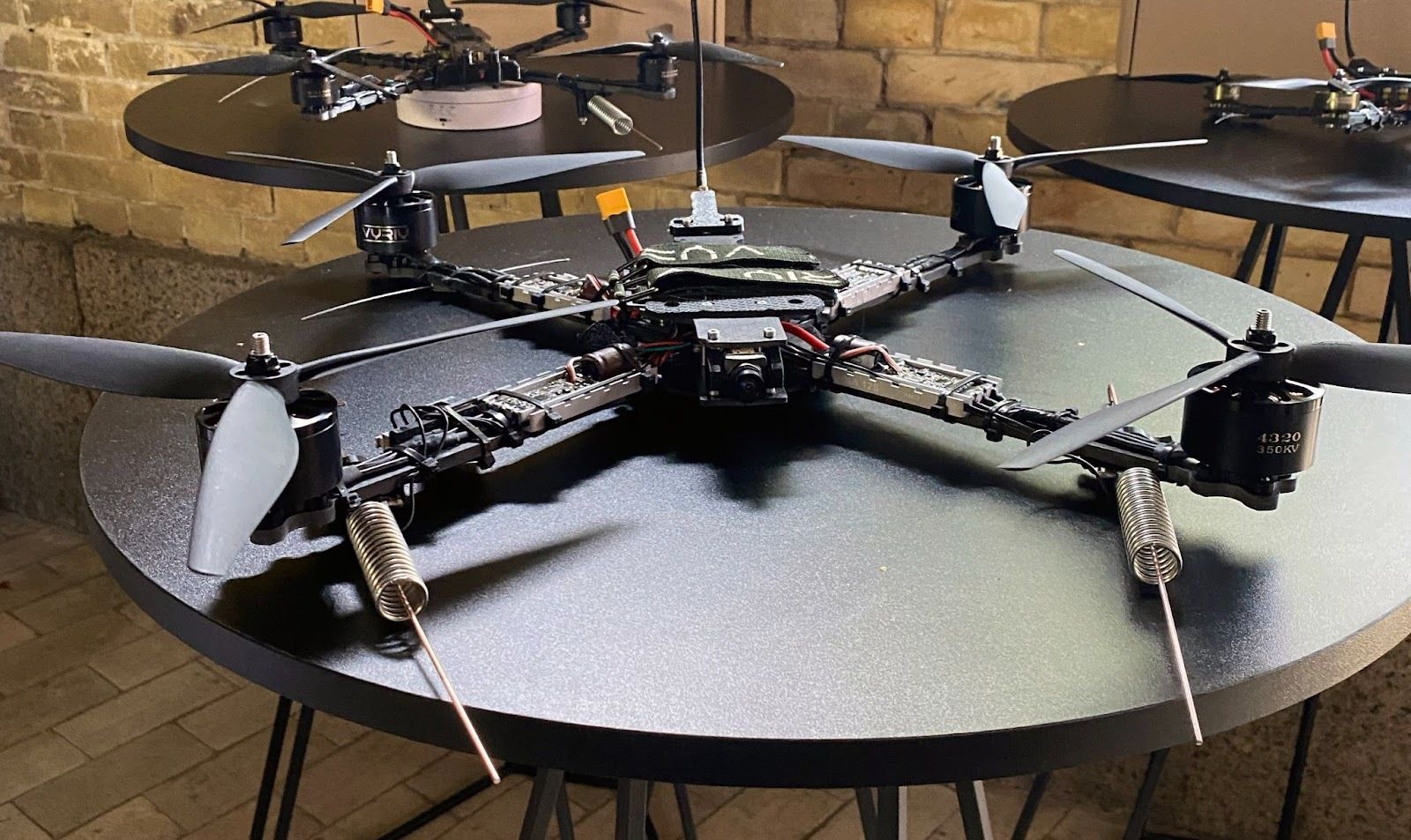
Ukrainian FPV drone. Photo by Counteroffensive.Pro
"With America, with President Trump, we agreed that they will buy drones from us. There is such an agreement... It's very important to prepare this contract for 10-20-30 billion dollars," Zelenskyy said last week.
The U.S. has yet to comment on the deal, but U.S. Defense Secretary Pete Hegseth has said the Pentagon plans to scale up the integration and production capacity of inexpensive drones. He emphasized that the army lacks small drones, which he said are being produced in the millions by “American adversaries.”
“I’m in favor of anything that, number one, helps Ukraine and, number two, accelerates the U.S. Department of Defense’s ability to grow its own drone and counter-drone capabilities,” said Ben Hodges, a retired U.S. Army general who once commanded forces in Europe.
What form the U.S. agreement could take
Apart from President Zelenskyy's words, there are no specifics about how the deal will work, leading some to caution against viewing the transaction as the risk-free win-win it’s been presented as. The office of the U.S. Secretary of Defense declined to comment on what it described as ‘pre-decisional contract awards.’
Five Ukrainian drone manufacturers contacted by Counteroffensive.Pro said they were not part of the negotiations for the deal and could not provide any details. Ukrainian Prime Minister Yulia Svyrydenko suggested the agreement was still in the process of being developed.
"We plan to sign a 'drone deal' with the United States," said Svyrydenko. “We are discussing investments in the expansion of production of Ukrainian drones by the U.S.”
A key challenge for Ukrainian producers is to eliminate Chinese components, said Ihor Fedirko, CEO of the Ukrainian Council of Defence, an advocacy association for defense organizations.
The Council is a part of the negotiation process with the U.S., said Fedirko. However, he declined to give any details about the negotiations or when the deal might be signed due to the sensitivity of the topic.
Ukraine’s Ministry of Defense is also part of the negotiations, a source in the government told us.
“Everything is moving very quickly, and we are seeing a high level of interest in Ukrainian drones from the U.S. and other countries, especially with regard to the export of production technology,” the source said.
An obvious obstacle from Ukraine could be export control. There's no direct export ban, but permits are often denied due to the needs of the military, even when the MoD has no funds to purchase the specific product.
The State Service for Export Control has apparently not been notified of any changes in connection with the drone deal, said Oleg Tsilvik, acting head of the State Service for Export Control. This suggests that it could be some time until we see an agreement.
Ukrainian drones could theoretically be purchased under the American Blue UAS Cleared Drone List of the Defense Innovation Unit, an organization within the U.S. Department of Defense that facilitates the quick adoption of emerging technologies by the military.
The list enables procurement by the DoD and federal agencies without additional security vetting and at a faster pace. But currently no Ukrainian firms are yet on the list.
In February 2025, Ukrainian manufacturer Skyfall, which specializes in heavy bombers, was selected for drone testing, a precursor to being added to the list.
As of March, they were still waiting for Ukrainian government permission to sell drones in the U.S. And since the company hasn’t appeared on the Blue UAS website yet, it’s likely that work is still underway to complete the required verification process.
The company did not respond to a request for comment on the matter.
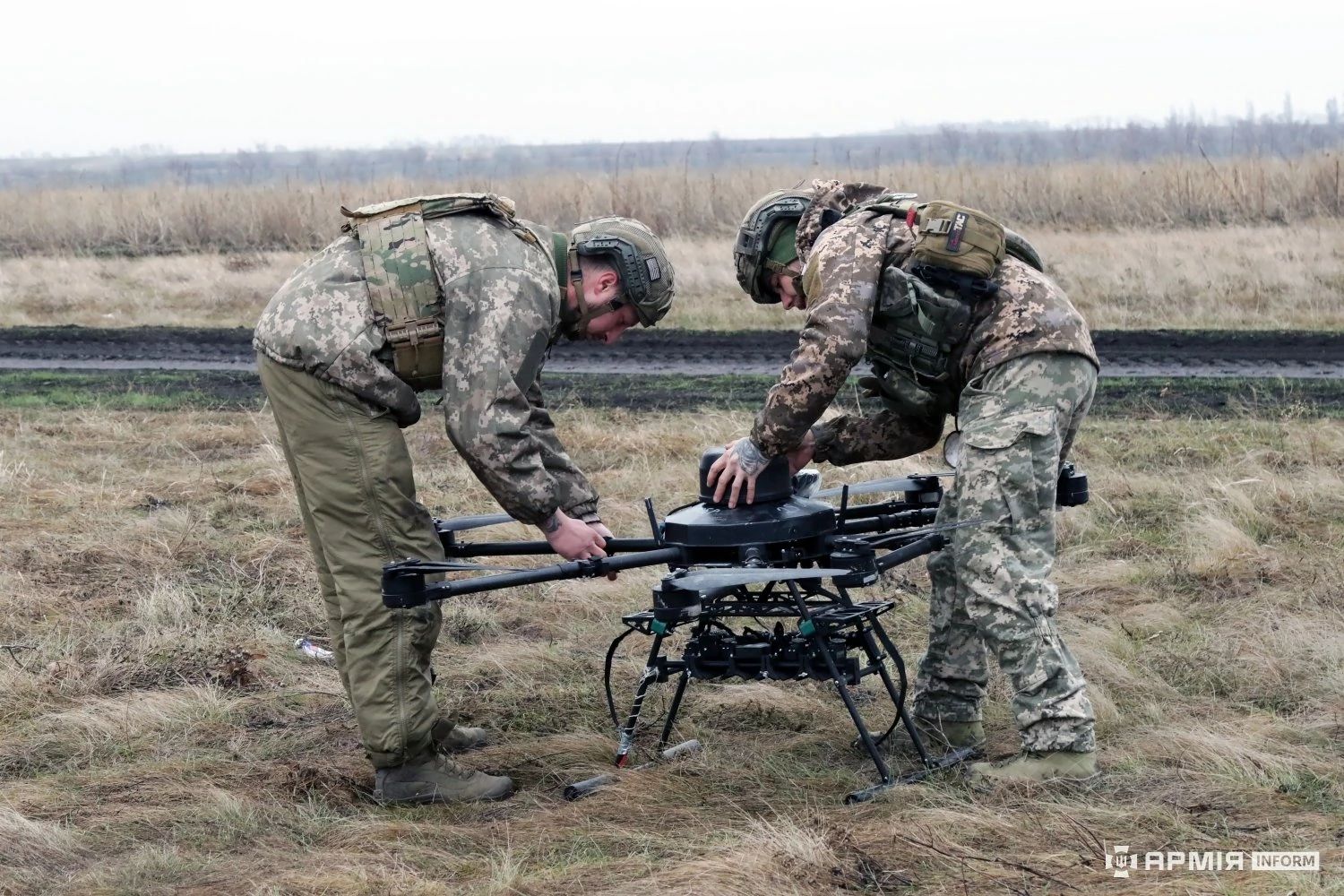
The Vampire heavy bomber. Photo by ArmyInfo
Verification consists of a set of cybersecurity and National Defense Authorization Act requirements that focus on restricting the use of Chinese-made technology and contractors, as well as testing and evaluation.
One thing that is abundantly clear about the deal is that it would be a boon for both sides.
Ukraine’s cash-poor ecosystem is desperate for an influx of American money. The proceeds of any sales could help Ukrainian firms design new and improved weapons and scale up production, driving down the cost of the weapons for all buyers.
“This is an example of a win-win transactional base relationship that is the goal and hallmark of this [U.S.] administration,” said Ori Swed, a professor and drone expert at Texas Tech University.
According to Fedirko, Ukrainian manufacturers will get the following benefits:
access to one of the most powerful markets in the world — the U.S.;
the opportunity to establish joint ventures abroad
access to long-term contracts and financing;
increased export capacity, production stability, and global trust.
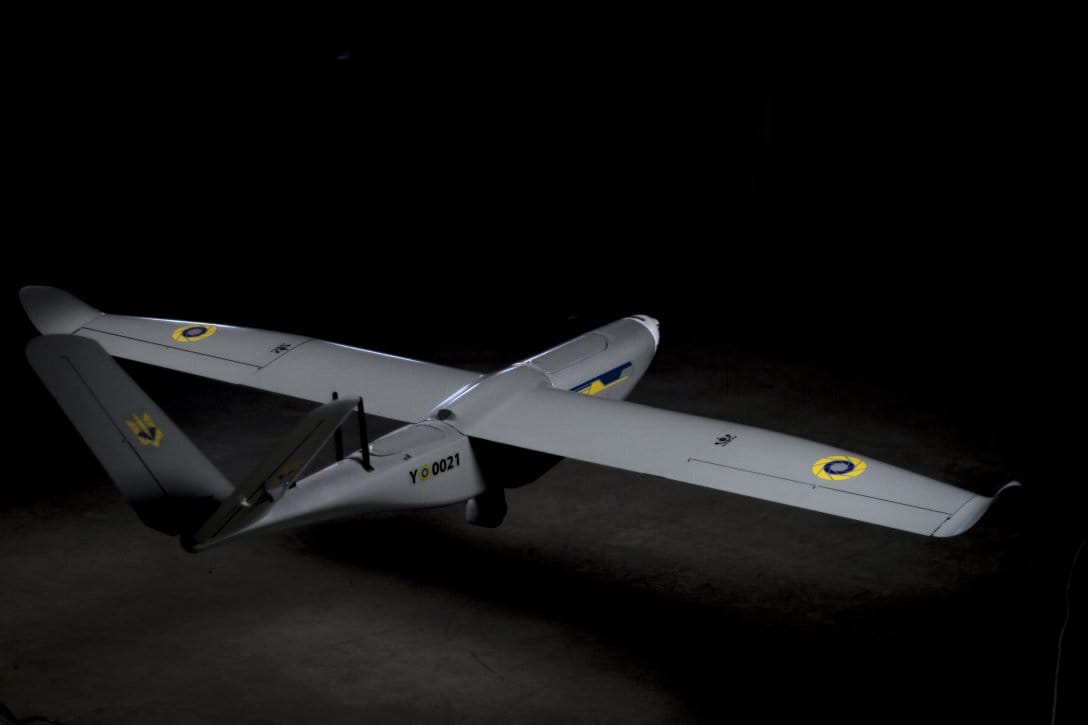
Gor reconnaissance drone. Photo by Airlogix
Risks and obstacles
There are several risks involved in the deal, however. Bureaucratic hurdles in both the U.S. and Ukraine could cause major headaches. In the U.S., it could be even more complicated due to procurement cycles and endless review processes, said Mike Fraietta, co-founder of the New York-based Gargoyle Systems and a counter-drone expert.
For the U.S. military to purchase Ukrainian drones, Ukrainian codification and NATO code aren't enough.
The manufacturer should pass production inspection on safety and working conditions at the enterprise. Additionally, it would need to obtain export and import permits in accordance with U.S. regulations. If the U.S. government funds the supply of Ukrainian drones, the producer would need to comply with the Defense Production Act, emphasized Fedirko.
The Defense Production Act is a Cold War–era law that gives the president significant emergency authority to control domestic industries and allocate orders abroad.
“Currently, we have a huge gap in our understanding of the American market itself: what products and technologies they need, in what volumes, according to what procurement procedures, what requirements for specifications, logistics, and certification,” said Fedirko.
Another risk is a 'hyper-fixation' on Ukrainian products caused by wartime pressure rather than a vision of future theaters of operations, said Dave Deptula, a retired U.S. Air Force general who helped plan the air war over Afghanistan in 2001.
Just because drone warfare is dominant in Ukraine doesn’t mean it will be suitable in every war. In the recent Israeli and Iranian strikes, for example, large-caliber munitions and piloted aircraft were used while small drones stayed on the sidelines due to the conditions of the battlefield.
What would benefit the U.S. military the most isn’t the drones and drone-defenses themselves, Deptula said, but the “process by which the Ukrainians innovate.”


0 comments:
Post a Comment