Ukraine War Has Cost 1% Of Russian Men, Hitting Military, Economy, Future
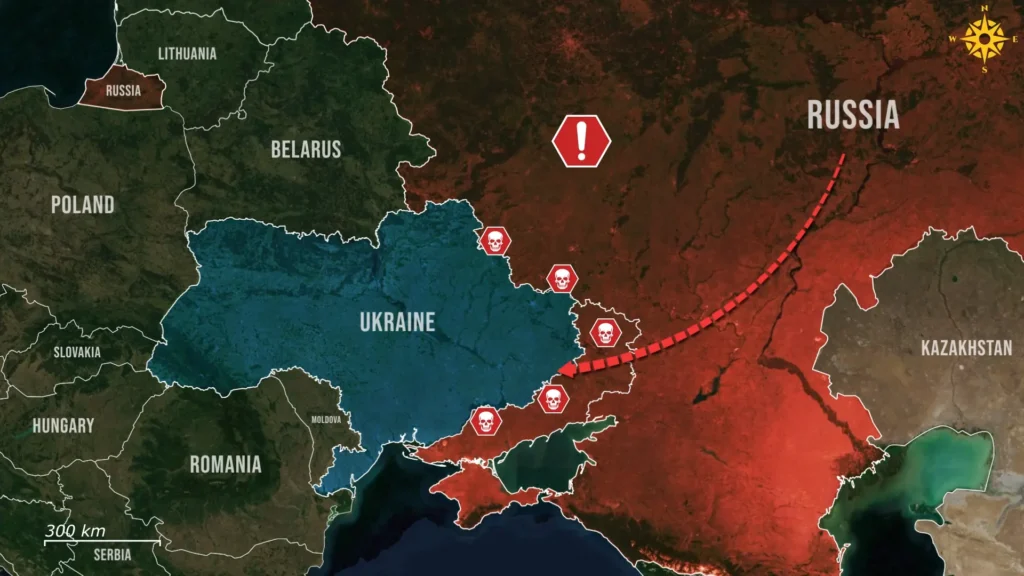
The assumption of Putin, his Kremlin cronies and much of the compliant western media has been that Russia is simply too large and has too many people for a relatively smaller nation like Ukraine to take it on. But as the fourth anniversary of the war looms, it is increasingly that theory is being challenged by facts on the ground.
Specifically, Russian casualties are so monumental that even a vast country spanning numerous time zones cannot keep feeding young, old and middle aged men into the military maw, no matter how great the incentives. With the latest figures showing that over 1% of Russia's male population has now been killed or severely wounded and that it is running out of convicts, the unemployed and other untermeschen to serve as cannon fodder. Worse still, the Russian economy is short of workers - many of whom foolishly and fatally signed up to fight - further depleting economic growth. And perhaps most ominous of all, this situation began before the 2022 invasion - so that some claim accessing Ukrainian manpower may have been one of the reasons for it. In other words, this trend has been exacerbated by the invasion and surprisingly drawn out war, and is not expected to change anytime soon. JL
RFU News reports:
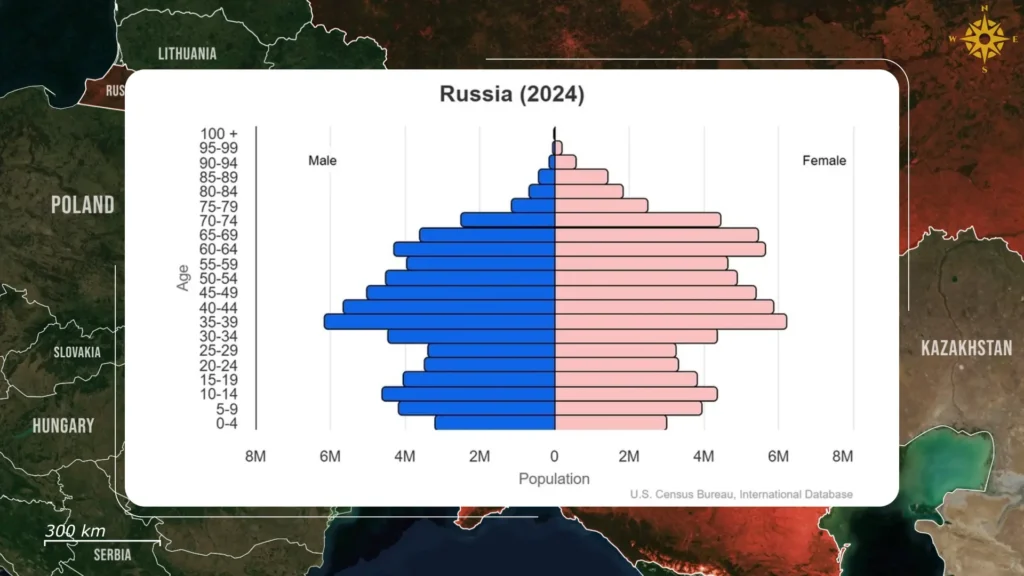
New research statistics reveal that Russia has lost over 1% of all men in the country. In 2022, the country was grappling with an aging population, chronically low birth rates, and a shrinking workforce. The median age had climbed to 40, with more than one-fifth of the Russian population aged 65 or older. High mortality among working-age men, driven by alcoholism and poor healthcare, had already hollowed out the labor pool. Fertility rates were below replacement level since the 1990's. Due to the war, Russia will increasingly have to rely on mass immigration to sustain its economy. Projections suggest the migrant population could rise from under 8 million to 20 million, surpassing the size of Russia's largest indigenous ethnic groups.
The Russian high command casually continues to set forth their war of attrition strategy inside Ukraine, assuming that naturally they will be able to outlast Ukraine through the sheer number of men at their disposal.
However, reality has now hit them hard, as new research statistics reveal that Russia has already lost over 1% of all men in the country, the demographic collapse is only worsening in its downward spiral, and the young men supposed to save the future of Russia are found lifelessly in the sunflower fields of Ukraine.
Casualty figures reach historic scale
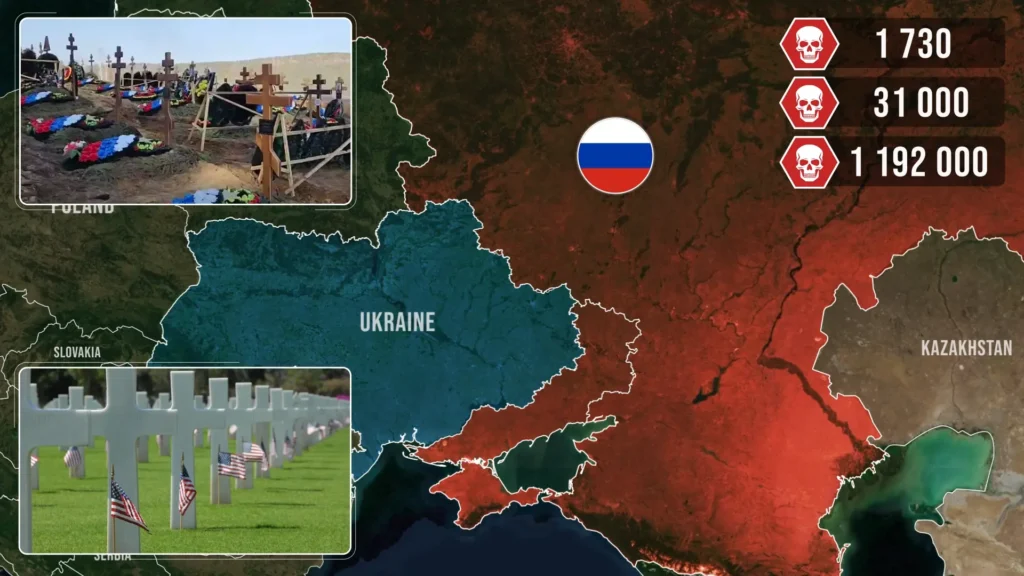
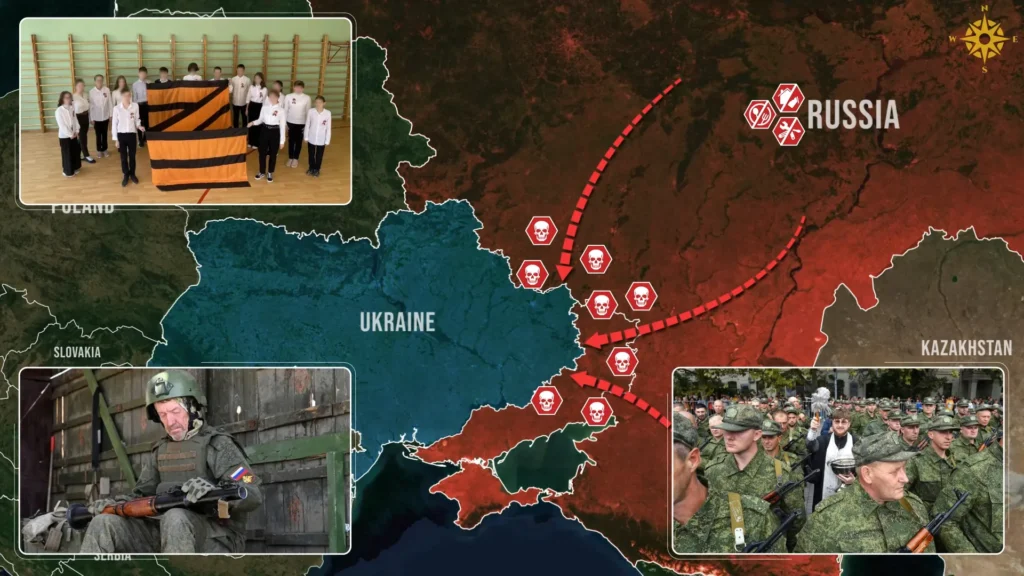
Recent figures underscore the scale of the catastrophe, as on December 17th alone, Russian forces lost 1,730 soldiers in one day. For November 2025, the Ukrainian General Staff estimates monthly Russian losses at 31,000 personnel, marking the third consecutive month of rising casualties.
In total, Russia has now suffered approximately 1,192,000 irreversible personnel losses since the start of the war. These numbers overwhelmingly represent killed in action, with a smaller share of severely wounded soldiers who will never return to service.
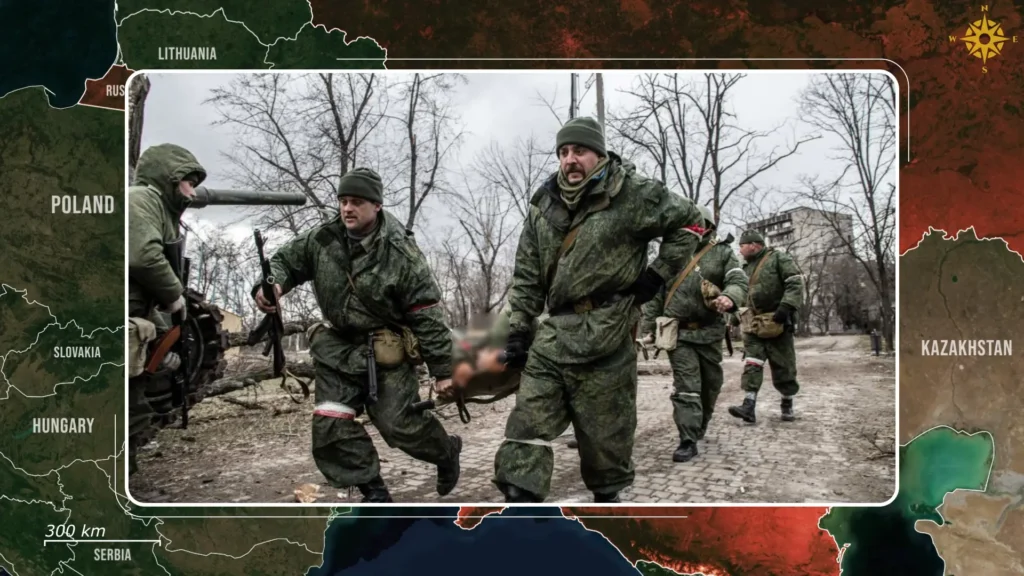
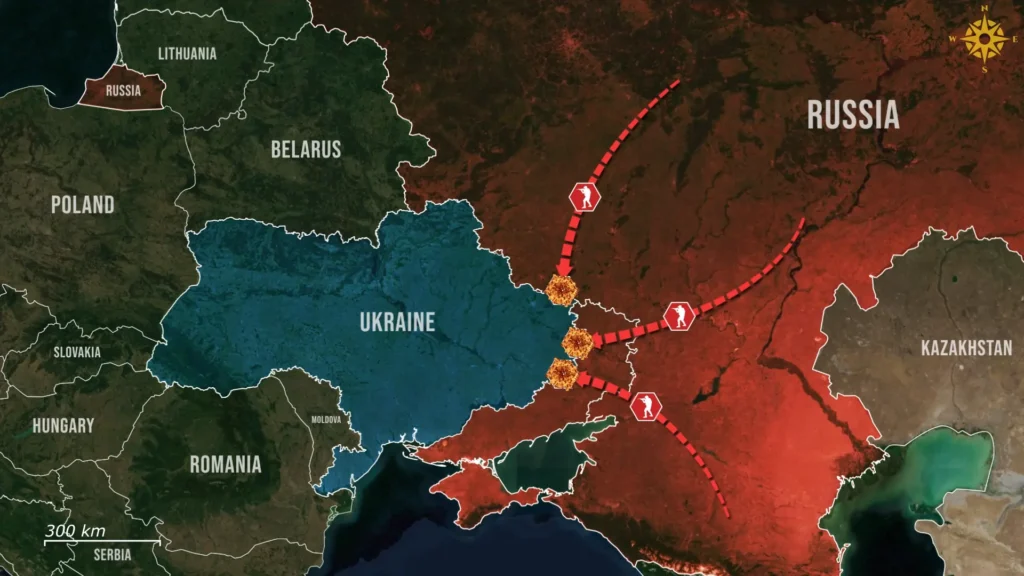
Day after day, casualty updates add between 1,000 and 1,700 men, reflecting an army being consumed at a pace unseen in modern warfare. The scale already exceeds the total combat losses of the United States during World War 2, yet after nearly four years of fighting, Russia has failed to fully capture even a single major Ukrainian city.
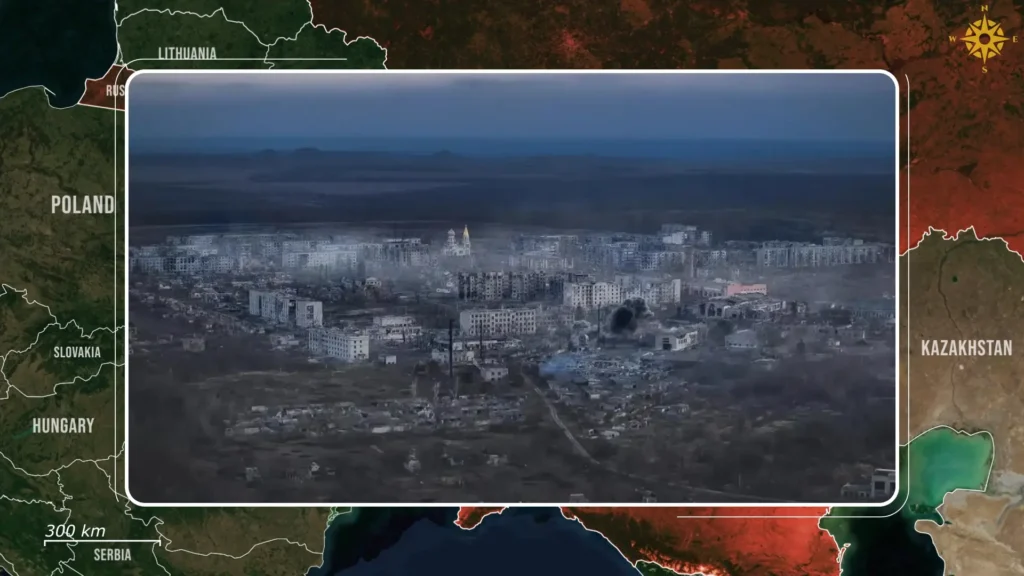
Pokrovsk, a town of only 60,000 inhabitants before the war and battered for over a year and a half, remains at least partially under Ukrainian control, showcasing the historically disastrous cost-to-gain ratio. What makes these losses even more destructive is far larger than military regard alone, when noting that Russia entered the war already in deep demographic decline.
A nation already in demographic freefall
By 2022, the country was grappling with an aging population, chronically low birth rates, and a shrinking workforce. The median age had climbed to around 40, with more than one-fifth of the Russian population aged 65 or older. High mortality among working-age men, driven by alcoholism and poor healthcare, had already hollowed out the labor pool.
Fertility rates had remained below replacement level since the 1990's, hovering around 1.5 children per couple despite years of state incentives. This meant fewer young people entering adulthood, fewer workers supporting more retirees, and circling back, fewer men available for mobilization.
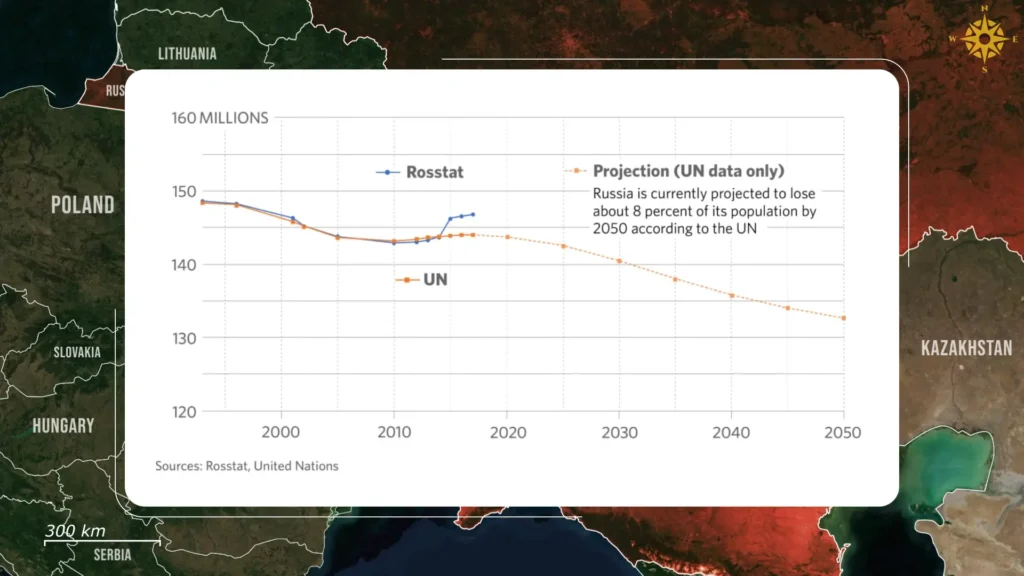
Even before the invasion, Russia's demographic trajectory pointed toward long-term population decline, with UN projections suggesting a fall from 146 million in 2022 toward roughly 130 million by mid-century. Putin's war did not interrupt this trend but instead accelerated it violently.
Killing off Russia's reproductive and working-age men
The damage inflicted by the hostilities is not reversible, because a significant share of the losses comes from young and middle-aged men. Estimates indicate that Russian military deaths alone amount to roughly 0.5% to 1.2% of the country's pre-war male population under 60. These are men in their prime reproductive, physical, and working years, the age group that Russia needs large and healthy to stay relevant.
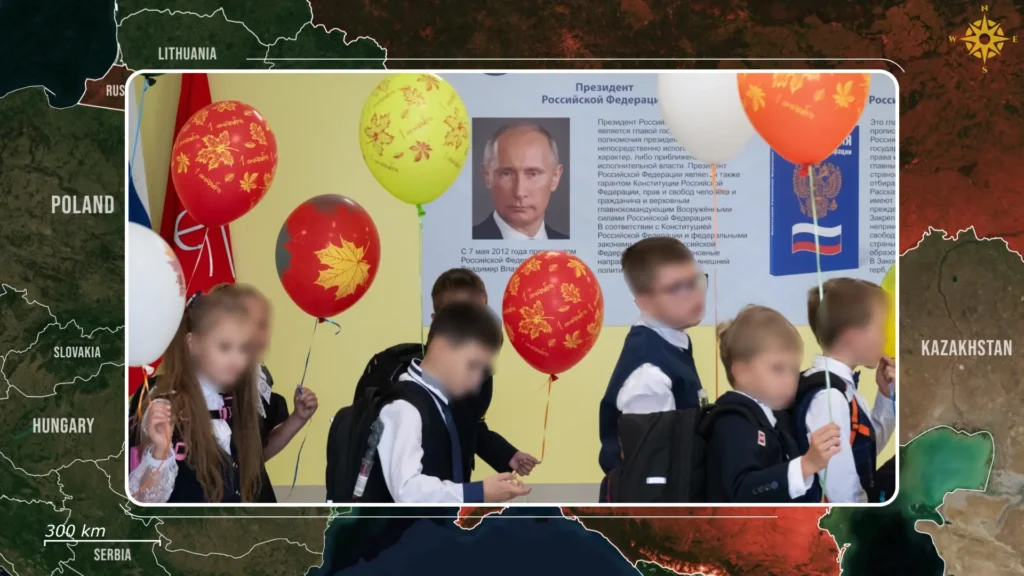
Their deaths permanently reduce future birth numbers, deepen labor shortages, and shrink the pool of potential soldiers for any future mobilization. Many of the younger recruits were born and raised entirely under Putin's rule, shaped by years of nationalist education. Ironically, the very generation the regime cultivated as its ideological backbone is being wiped out on Ukrainian battlefields.
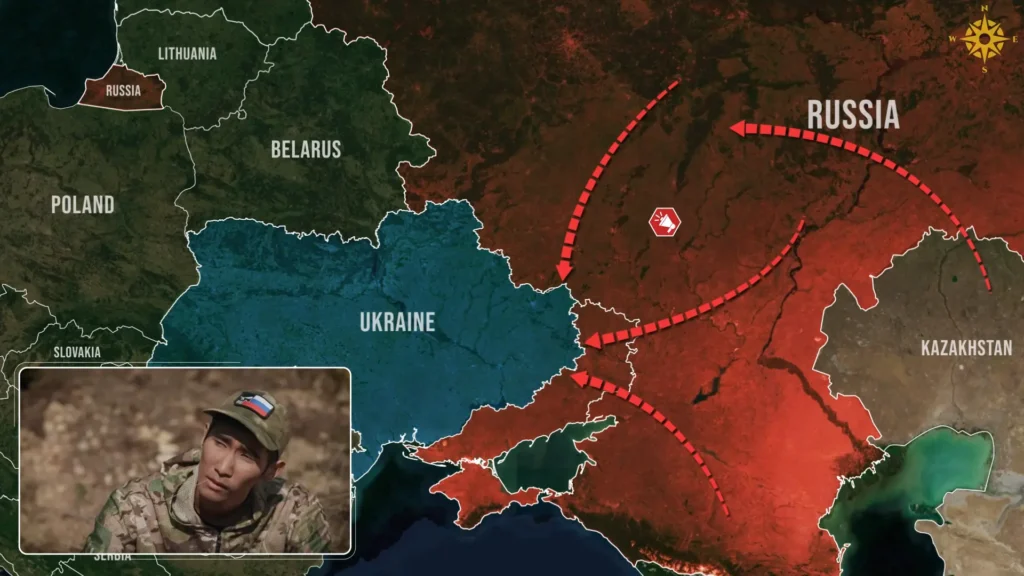
At the other end of the spectrum, a half of volunteers killed are over 50 years old, with a lower average life expectancy, these are often men with little left economically, lured by signing bonuses and death payments that might pull their families out of poverty. Together, desperate men and indoctrinated youth now form the backbone of Russia's army, with both being erased at scale.
Mass immigration as the only way out
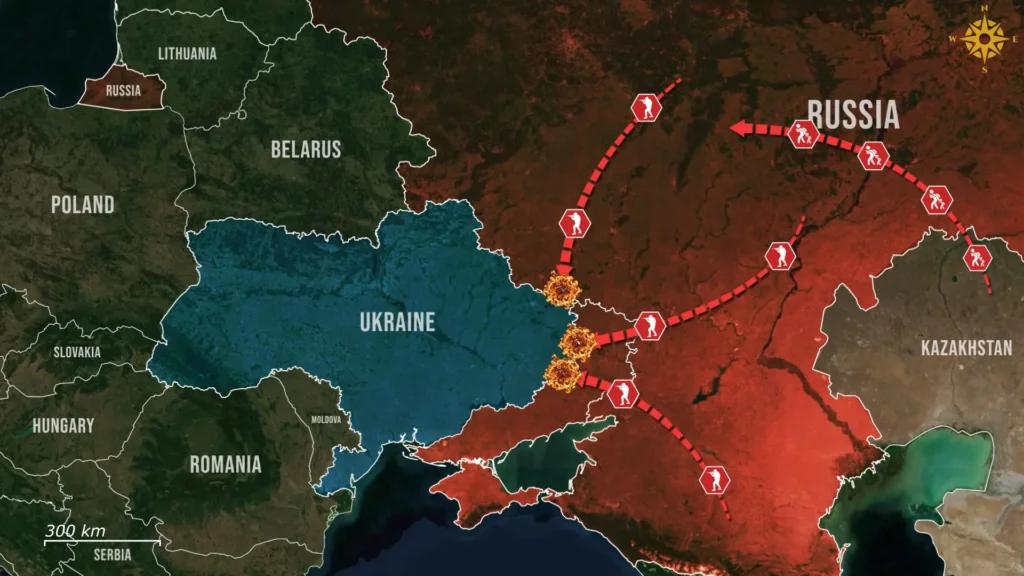
The demographic consequences extend far beyond the battlefield, as the population's decline accelerates, Russia will increasingly rely on mass immigration to sustain its economy. Projections suggest the migrant population could rise from under 8 million to nearly 20 million, surpassing the size of Russia's largest indigenous ethnic groups.
Notably, even the Russian military has begun running recruitment ads centered around diversity being their biggest strength, a prominent informational tool they often try to use against the West.
Putin is burning Russia's future
Overall, Russia is not merely losing soldiers at an unprecedented rate, but is destroying the biological, economic, and social foundations of its future. The deaths of hundreds of thousands of young men cannot be offset by policy, online campaigns, or migration alone.
Russia's history after World War 2 shows that societies pay heavily for such losses for generations. In pursuing its war in Ukraine, the Kremlin is not only burning through its army but erasing the future of the nation itself.
Great read! The Lowdown Blog consistently shares clear, well-researched insights that are both informative and engaging. I really liked how the topics are explained in a simple and practical way. Looking forward to reading more valuable posts like this—keep up the excellent work!
The website highlights flexible online classes, expert guidance, and innovative teaching methods to help students learn effectively from anywhere in India.
As a Partner and Co-Founder of Predictiv and PredictivAsia, Jon specializes in management performance and organizational effectiveness for both domestic and international clients. He is an editor and author whose works include Invisible Advantage: How Intangilbles are Driving Business Performance. Learn more...






1 comments:
Great read! The Lowdown Blog consistently shares clear, well-researched insights that are both informative and engaging. I really liked how the topics are explained in a simple and practical way. Looking forward to reading more valuable posts like this—keep up the excellent work!
The website highlights flexible online classes, expert guidance, and innovative teaching methods to help students learn effectively from anywhere in India.
online classes for students
Post a Comment