New Sanctions On Kremlin Shadow Fleet Mark EU Shift To Systemic Disruption
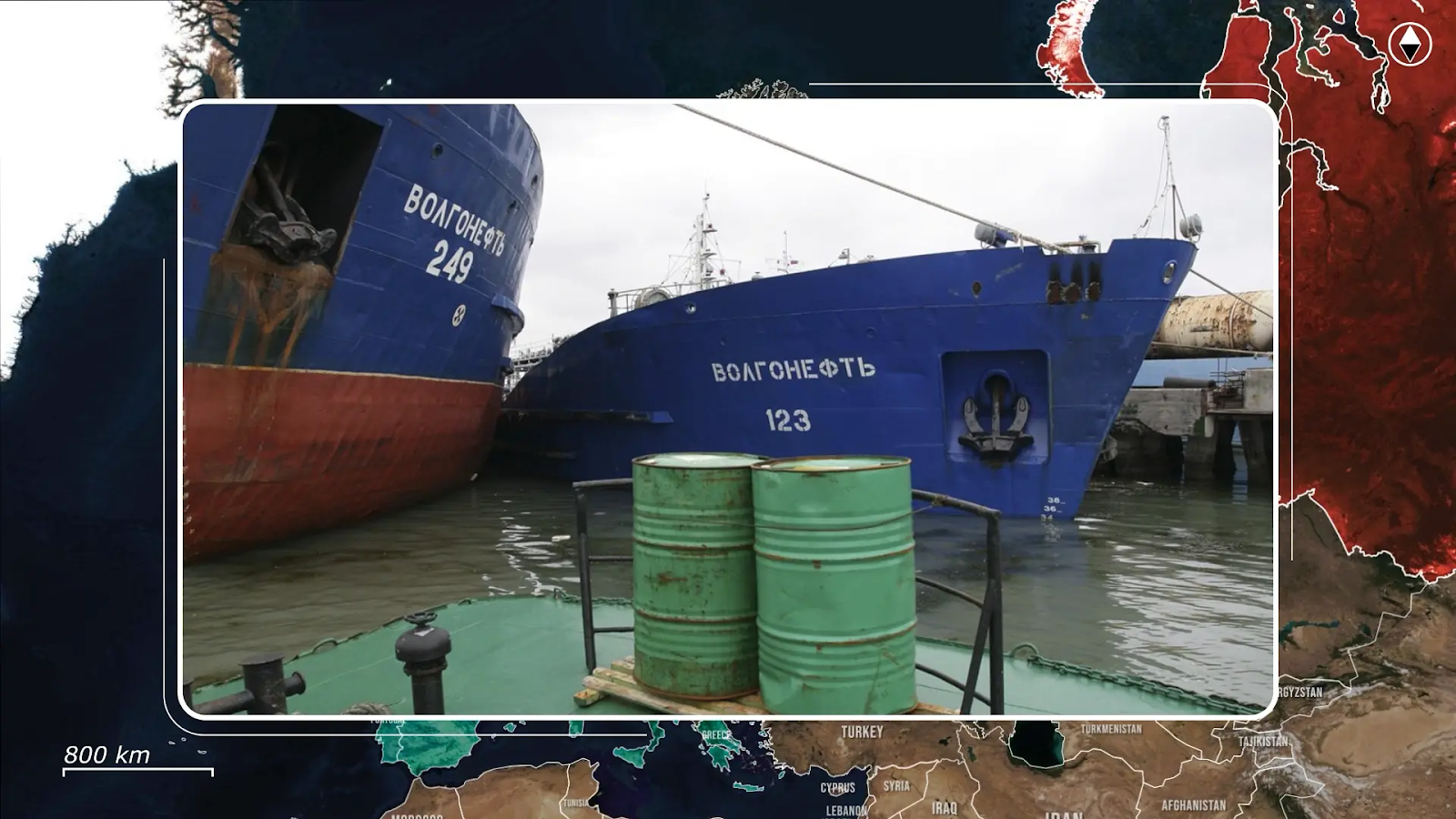
The EU and UK are tightening the screws on Russia's 'Shadow Fleet' of illegal oil tankers, making it harder for them to evade inspection and thus for the Kremlin to generate desperately needed revenue.
Over 400 ships have now been identified as sanctions evaders, making it harder for owners to get insurance and for the ships to transit and dock. The idea is to put as much pressure as possible on Russia's struggling economy, in order to make continuing the war more painful. JL
Lorne Cook reports in the Associated Press:
The EU approved new sanctions against Russia, including a lower oil price cap, a ban on transactions with Nord Stream gas pipelines, and the targeting of more shadow fleet ships. 105 more ships were blocked from European ports, locks and from ship-to-ship transfers, bringing the total number to more than 400. Russia is no longer able to rely on dollar-denominated transactions and is using cryptocurrency and shell companies, reflecting lost access to hard currency. Stricter inspections mean insurance firms have come under increased scrutiny, maritime monitoring has intensified, and cooperation between EU customs and naval forces has expanded. This makes it significantly harder for Russian tankers using falsified or re-flagged registrations to access European ports or services.
New sanctions from the United Kingdom and the European Union are tightening the noose around Russia’s shadow fleet, the covert network of tankers that has long helped Moscow dodge oil export restrictions. This time, enforcement is not only more coordinated but also more surgical, and the effects are beginning to show across the broader infrastructure of Russia’s war economy.\
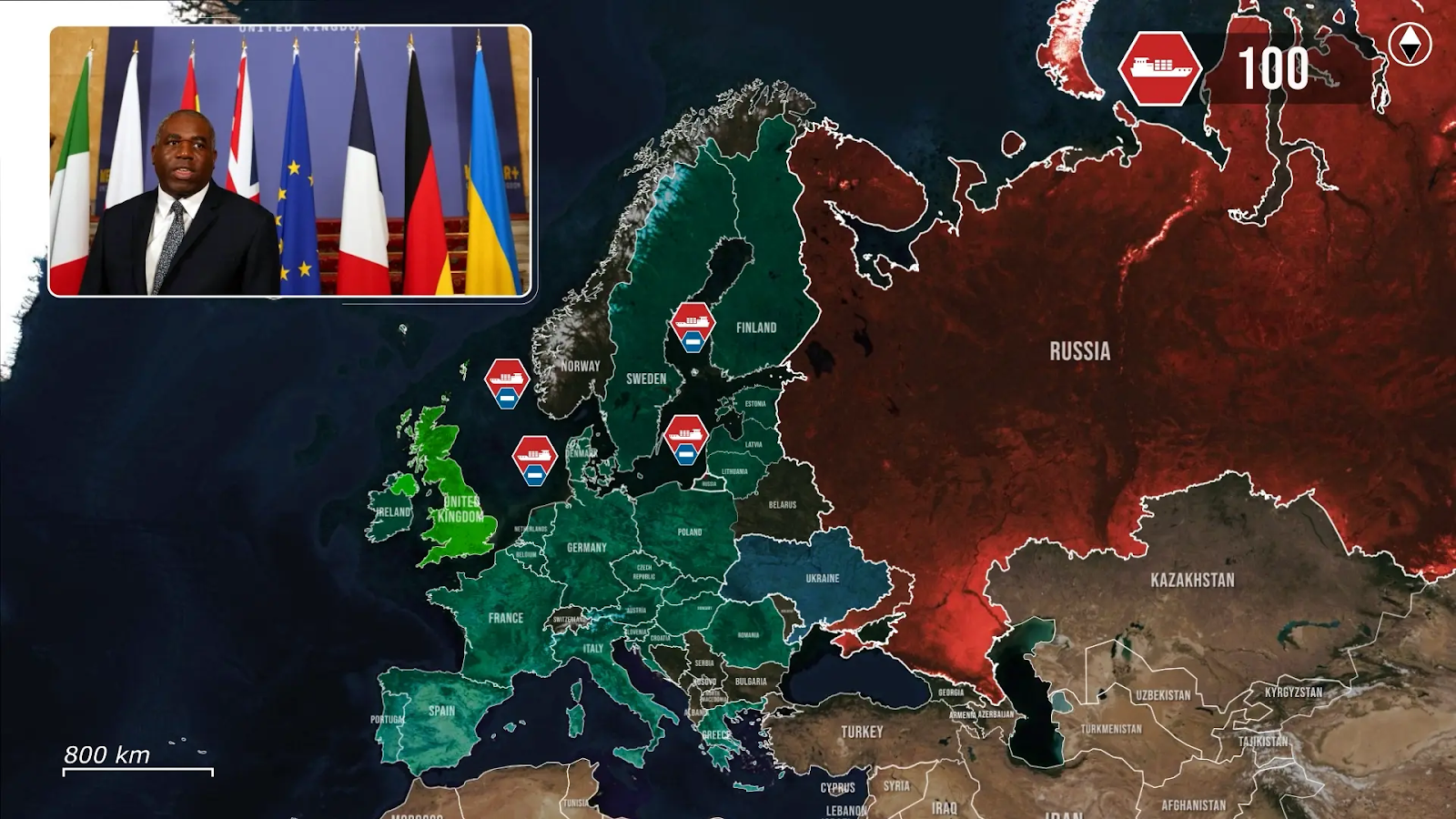
Most recently, the United Kingdom unveiled its latest sanctions package, which directly targets dozens of tankers suspected of transporting Russian oil in violation of the G7 price cap, operating under flags of convenience and obscure ownership structures to avoid detection. London has now imposed asset freezes on over 100 shadow fleet vessels and sanctioned several front companies that provide critical insurance, financing, and logistical support, embedded in global maritime hubs. Beyond targeting individual vessels, the UK’s restrictions also prohibit any UK-based companies from interacting with ships or firms linked to sanctioned oil trade, thereby closing off access to a broad range of legal and financial services that have long sustained the shadow fleet.
In parallel, the European Union has adopted its 18th sanctions package, with new measures aimed at undermining the legal and logistical foundations of shadow fleet operations. The package introduces enhanced penalties for any port offering services to re-flagged or disguised Russian tankers, creates a public blacklist of vessels involved in price cap violations, and extends sanctions to intermediaries that provide false documentation regarding the origin of cargo. Perhaps most importantly, the European Union now authorizes penalties against third-party countries, companies, and organizations that facilitate Russian circumvention efforts.
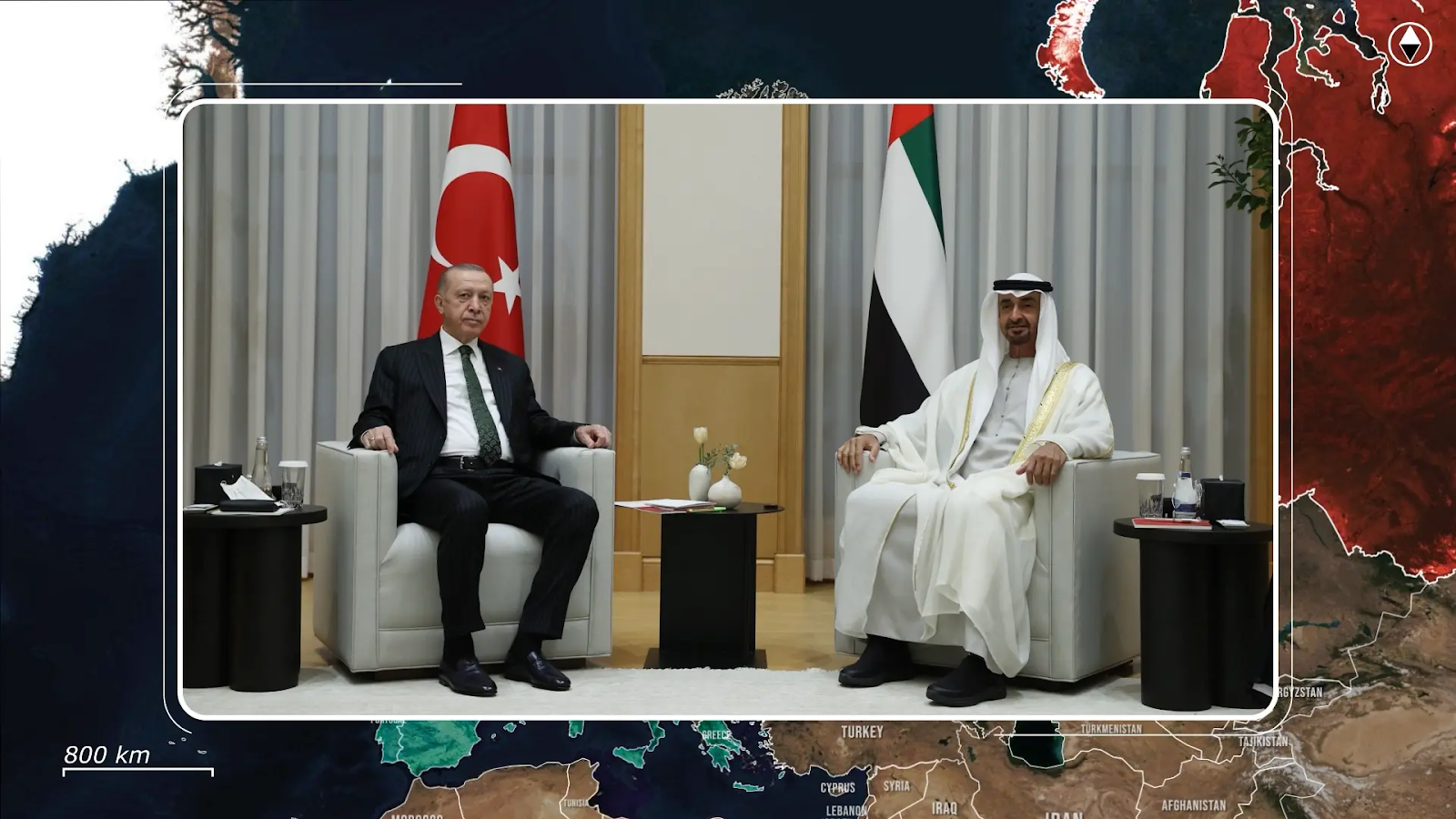
This move places significant pressure on states such as Turkey and the United Arab Emirates, which have quietly hosted the fleet’s support infrastructure. Taken together, the actions of the United Kingdom and the European Union amount to the most comprehensive assault yet on Russia’s oil export system.
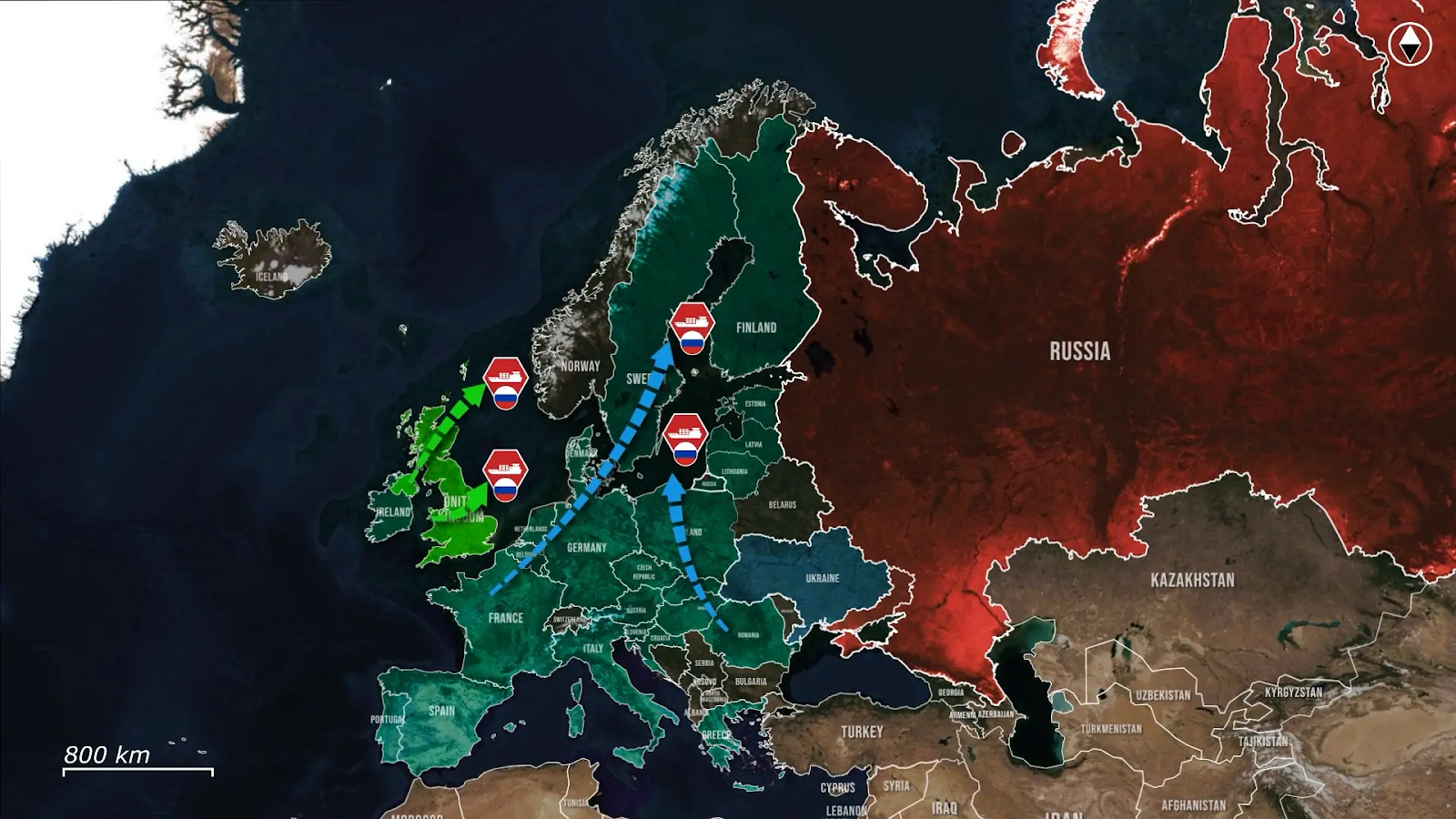
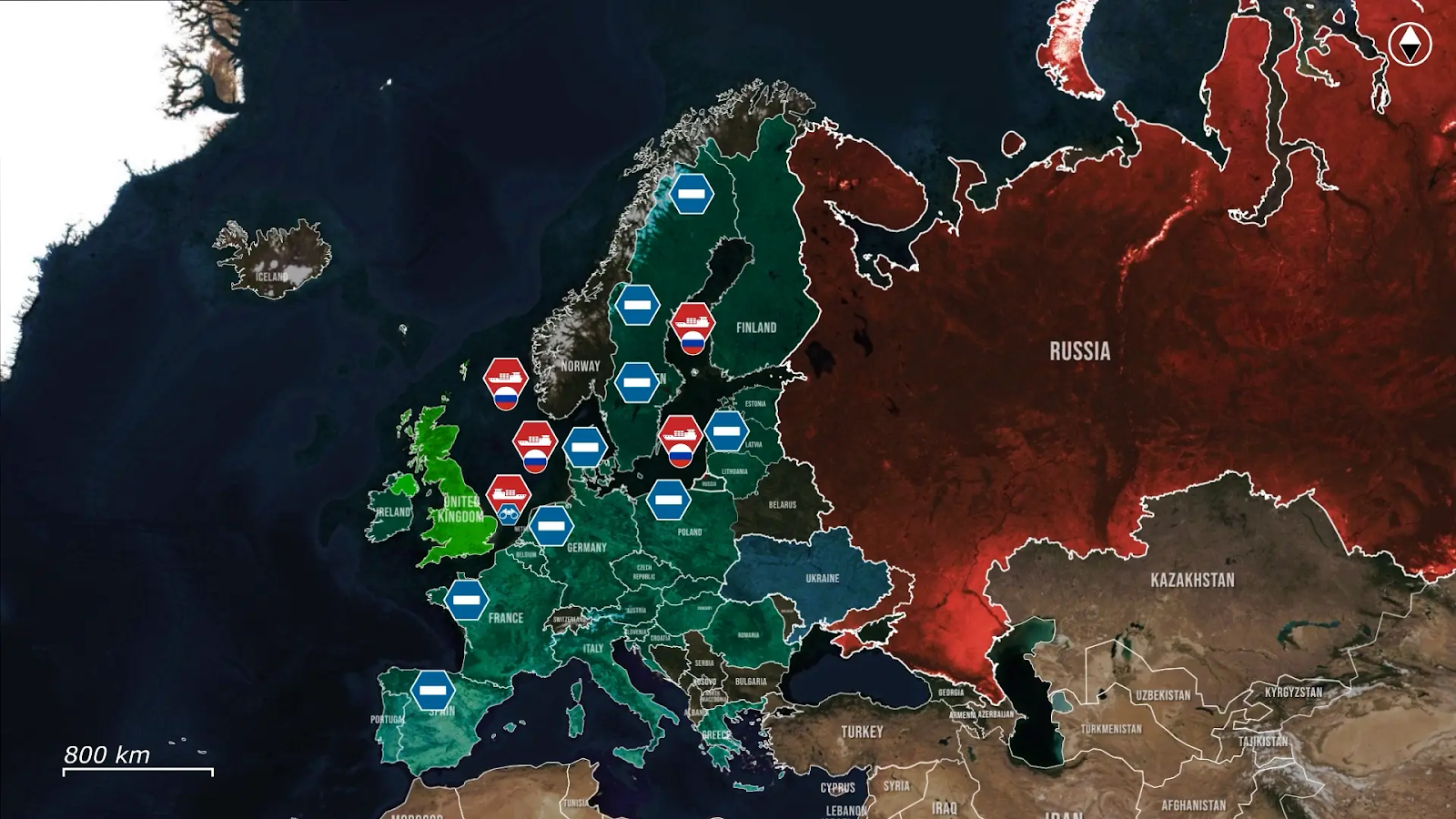
The effects of this crackdown are already being felt in the water. Earlier this year, a Russian-affiliated tanker docked in Belgium, and was only later identified as part of the shadow fleet, triggering internal reviews across European ports and prompting the introduction of stricter inspection protocols. Since that incident, insurance firms have come under increased scrutiny, maritime monitoring has intensified, and cooperation between European customs and naval forces has expanded. This makes it significantly harder for Russian tankers using falsified or re-flagged registrations to access European ports or services, forcing the fleet into riskier, longer, and more expensive trade routes.
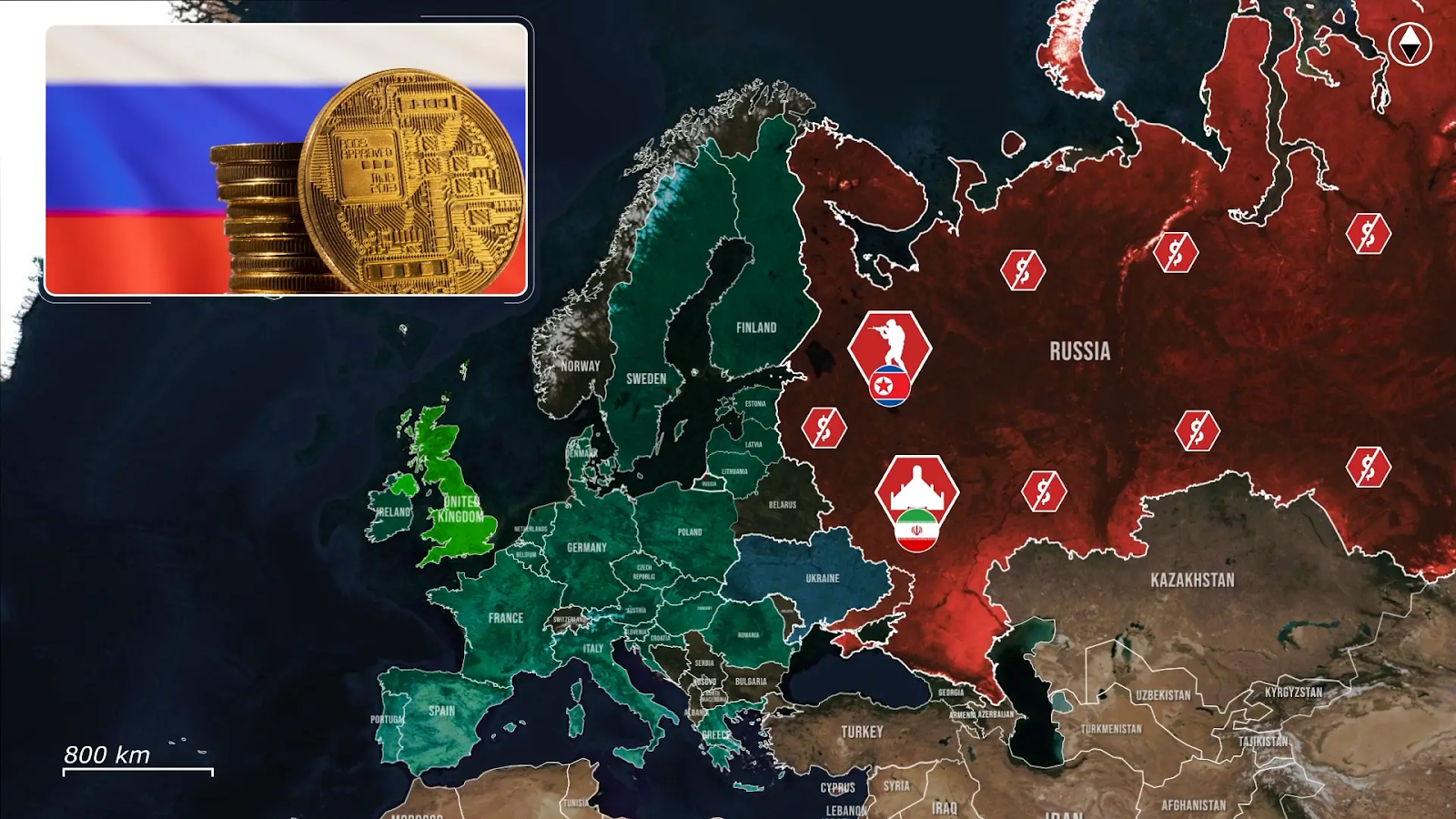
These constraints are showing the effect of a deeper financial crisis. transactions and has instead turned to trading with strategic partners, paying Iran 104 million dollars in gold for Shahed drones and offering weapons and industrial components to North Korea
Russia is no longer able to rely on stable dollar-denominated
in exchange for artillery shells and frontline soldiers. As covered in a previous report, the Kremlin has also resorted to using cryptocurrency and shell companies based outside of Russia to hide the nature of arms deals and payment transfers. These improvisations may help Moscow stay afloat in the short term, but they reflect how their economic system is losing access to hard currency and struggling to sustain even the most basic elements of war finance.
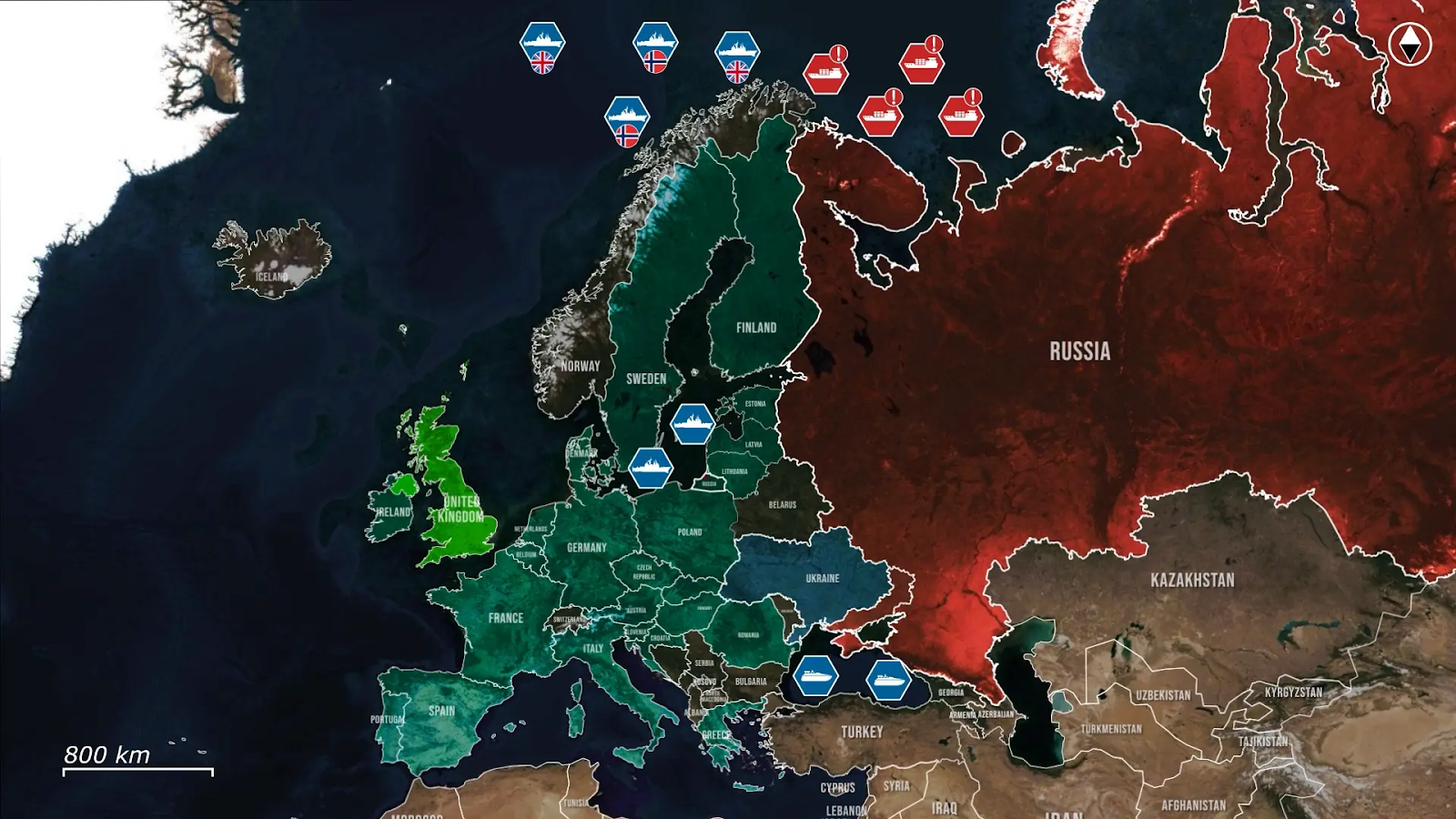
The geographic consequences are just as significant. With the Baltic Sea under increasing surveillance and the Black Sea heavily contested, Russia has shifted some of its shadow fleet activity to Arctic ports such as Murmansk; however, these are a last resort, as they remain ice-free for only seven to eight months of the year. Yet even these fallback routes are becoming less viable, as the United Kingdom and Norway have increased maritime patrols in the Barents and North Seas, regions where they maintain logistical and geographic naval advantages. The result is a tightening noose around the shadow fleet: as evasion options shrink and enforcement improves, Russia’s ability to maintain oil flows and convert the revenues into weapons faces a steadily rising cost curve.
Overall, the clampdown on Russia’s shadow fleet marks a shift from symbolic pressure to systematic disruption. As enforcement expands from financial tools to maritime routes themselves, Moscow faces a narrowing horizon, where every export, workaround, and transaction becomes harder to hide, more expensive to maintain, and less capable of sustaining the war.
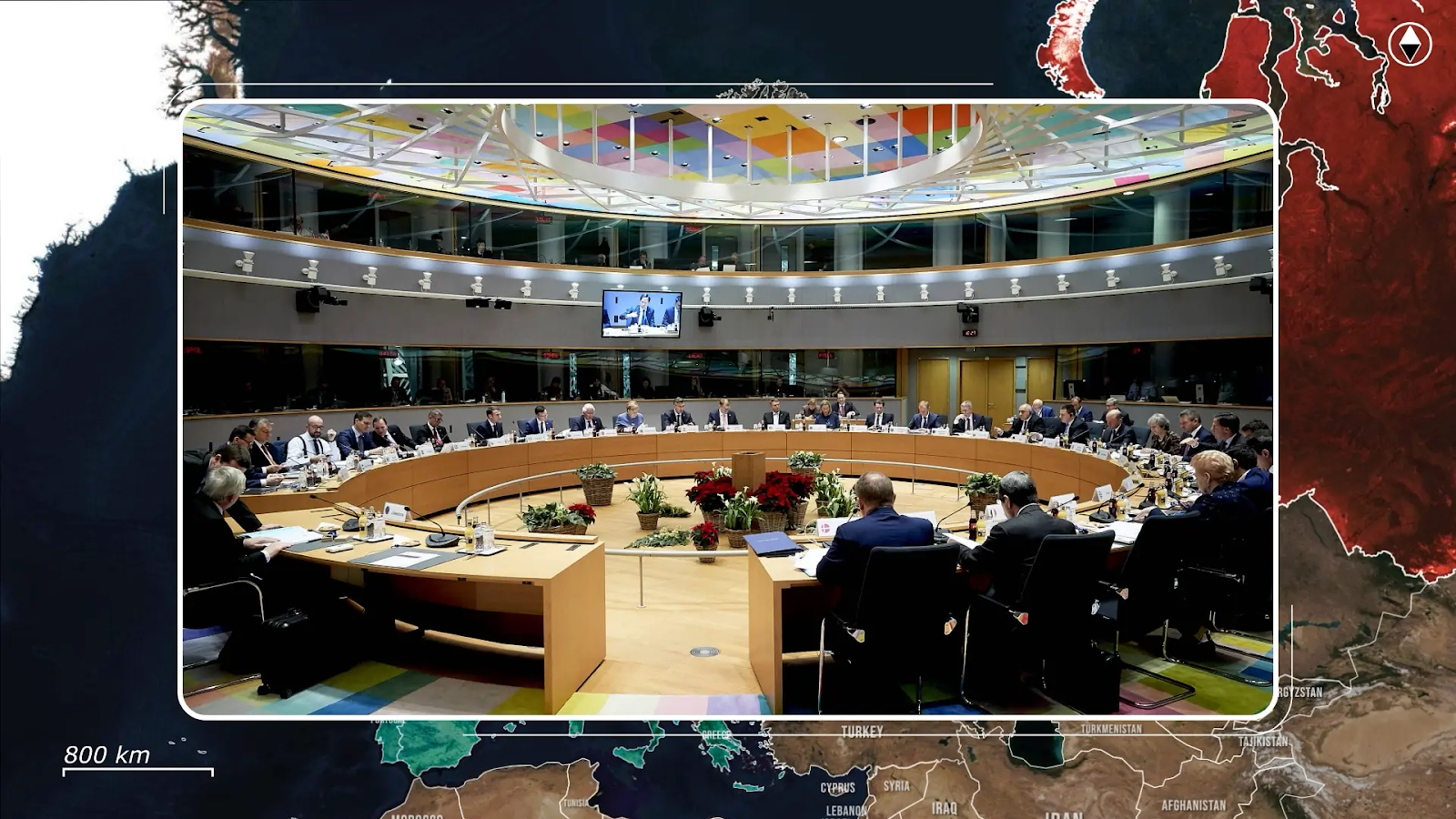
The European Union approved on Friday a new raft of sanctions against Russia over its war on Ukraine, including a lower oil price cap, a ban on transactions with Nord Stream gas pipelines, and the targeting of more shadow fleet ships, the EU foreign policy chief said.
“The message is clear: Europe will not back down in its support for Ukraine. The EU will keep raising the pressure until Russia ends its war,” Kaja Kallas said in a statement.
Kallas said the measures amount to “one of its strongest sanctions packages against Russia to date” linked to the war, now in its fourth year. It comes as European countries start to buy U.S. weapons for Ukraine to help the country better defend itself.
Ukrainian President Volodymyr Zelenskyy welcomed the new measures, describing them as a “timely and necessary” step amid intensified Russian attacks.
“All infrastructure of Russia’s war must be blocked,” Zelenskyy said, adding that Ukraine will synchronize its sanctions with the EU and introduce its own additional measures soon.
The European Commission, the EU’s executive branch, had proposed to lower theoil price capfrom $60 to $45, which is lower than the market price to target Russia’s vast energy revenues. The 27 member countries decided to set the price per barrel at just under $48.
The EU had hoped to get major international powers in the Group of Seven countries involved in the price cap to broaden the impact, but conflict in the Middle East pushed up oil prices and the Trump administration could not be brought onboard.
In 2023, Ukraine’s Western allies limited sales of Russian oil to $60 per barrel but the price cap was largely symbolic as most of Moscow’s crude — its main moneymaker — cost less than that. Still, the cap was there in case oil prices rose.
Oil income is the linchpin of Russia’s economy, allowing President Vladimir Putin to pour money into the armed forces without worsening inflation for everyday people and avoiding a currency collapse.
A new import ban was also imposed in an attempt to close a loophole allowing Russia to indirectly export crude oil via a number of non-EU countries.
The EU also targeted the Nord Stream pipelines between Russia and Germany to prevent Putin from generating any revenue from them in future, notably by discouraging would-be investors. Russian energy giant Rosneft's refinery in India was hit as well.
The pipelines were built to carry Russian natural gas to Germany but are not in operation. They were targeted by sabotage in 2022, but the source of the underwater explosions has remained a major international mystery.
On top of that, the new EU sanctions targeted Russia’s banking sector, with the aim of limiting the Kremlin’s ability to raise funds or carry out financial transactions. Two Chinese banks were added to the list.
The EU has slapped several rounds of sanctions on Russia since Putin ordered his troops into Ukraine in February 24, 2022.
More than 2,400 officials and “entities” — often government agencies, banks, companies or organizations — have been hit with asset freezes and travel bans.
The last raft of EU sanctions,imposed on May 20, targeted almost 200 ships in Russia’s sanction-busting shadow fleet of tankers. On Friday, 105 more ships were blocked from European ports, locks and from ship-to-ship transfers, bringing the total number of vessels now sanctioned to more than 400.
Online social media marketing is more than just posting — it’s about building relationships, engaging your audience, and turning clicks into loyal customers. It’s the smartest way to grow in today’s digital age.
Sanafafe Mechanical CAD delivers top-quality mechanical drafting and modeling services with a strong focus on precision and technical excellence. Their skilled team ensures that every design is accurate, functional, and ready for manufacturing, making them a trusted resource in the mechanical engineering space.
As a Partner and Co-Founder of Predictiv and PredictivAsia, Jon specializes in management performance and organizational effectiveness for both domestic and international clients. He is an editor and author whose works include Invisible Advantage: How Intangilbles are Driving Business Performance. Learn more...




2 comments:
Online social media marketing is more than just posting — it’s about building relationships, engaging your audience, and turning clicks into loyal customers. It’s the smartest way to grow in today’s digital age.
Sanafafe Mechanical CAD delivers top-quality mechanical drafting and modeling services with a strong focus on precision and technical excellence. Their skilled team ensures that every design is accurate, functional, and ready for manufacturing, making them a trusted resource in the mechanical engineering space.
Post a Comment