Crimea Effectively Cut Off By Ukraine Strikes, Cutting Supplies In and Out
The strategic brilliance of Ukraine's 'logistics lockdown' campaign is becoming clearer. Russian forces - approximately 110,000 troops - and civilians in Crimea are increasingly cut off from fuel and other supplies as all of the crossings from Russian-occupied southern Ukraine have now been attacked and damaged, most significantly.
But the impact also affects supplies destined from Crimea to the Russian forces deployed to attack in Zaporizhzhia, Kherson and even southern Donetsk. They are also experiencing a reduction in ammunition, fuel, reinforcements and other essentials, which has contributed to the failure of this year's spring and summer 'offensives' and, in many cases, given Ukrainian units the ability to advance through increasingly successful counterattacks. JL
RFU News reports:
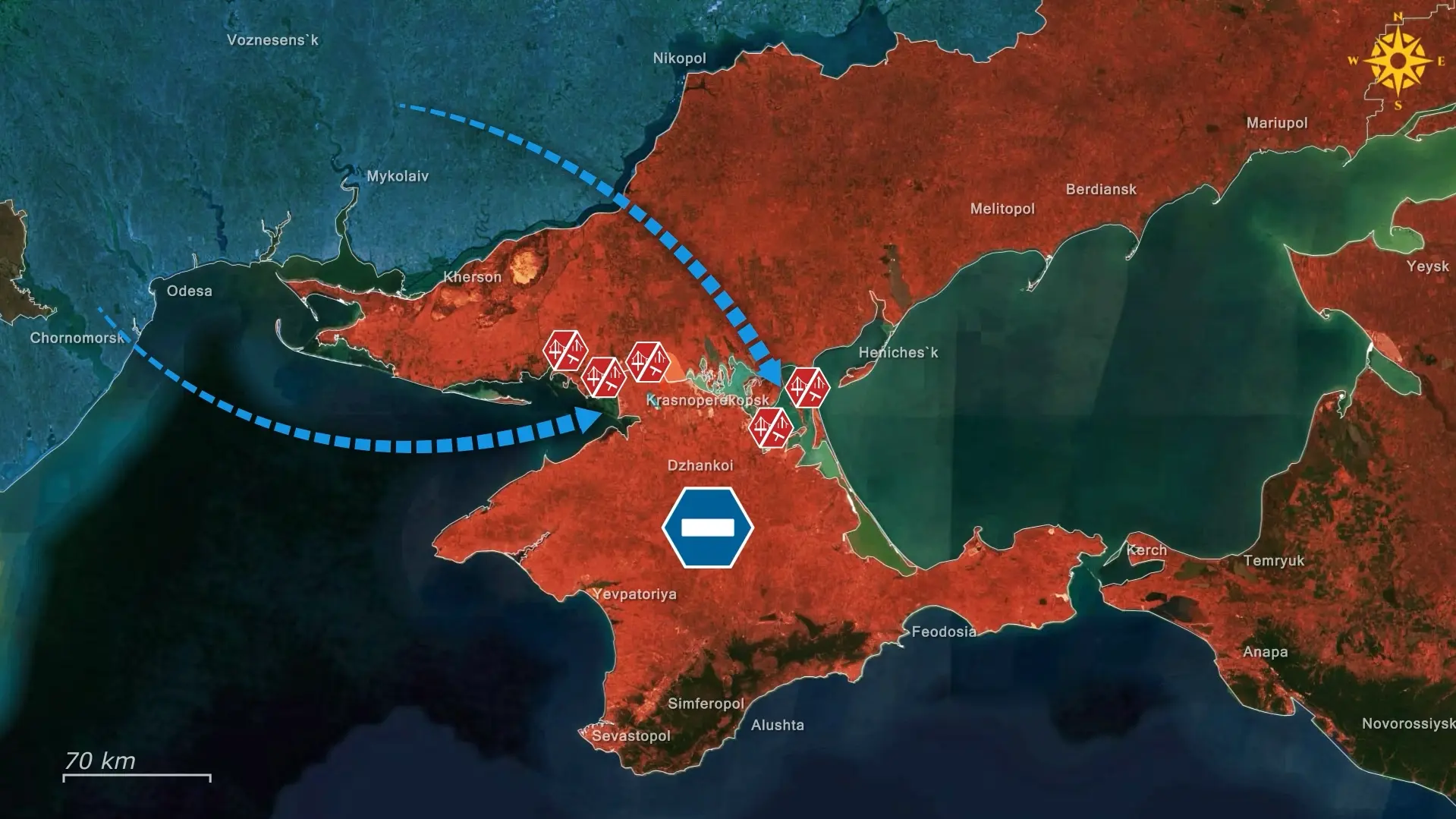
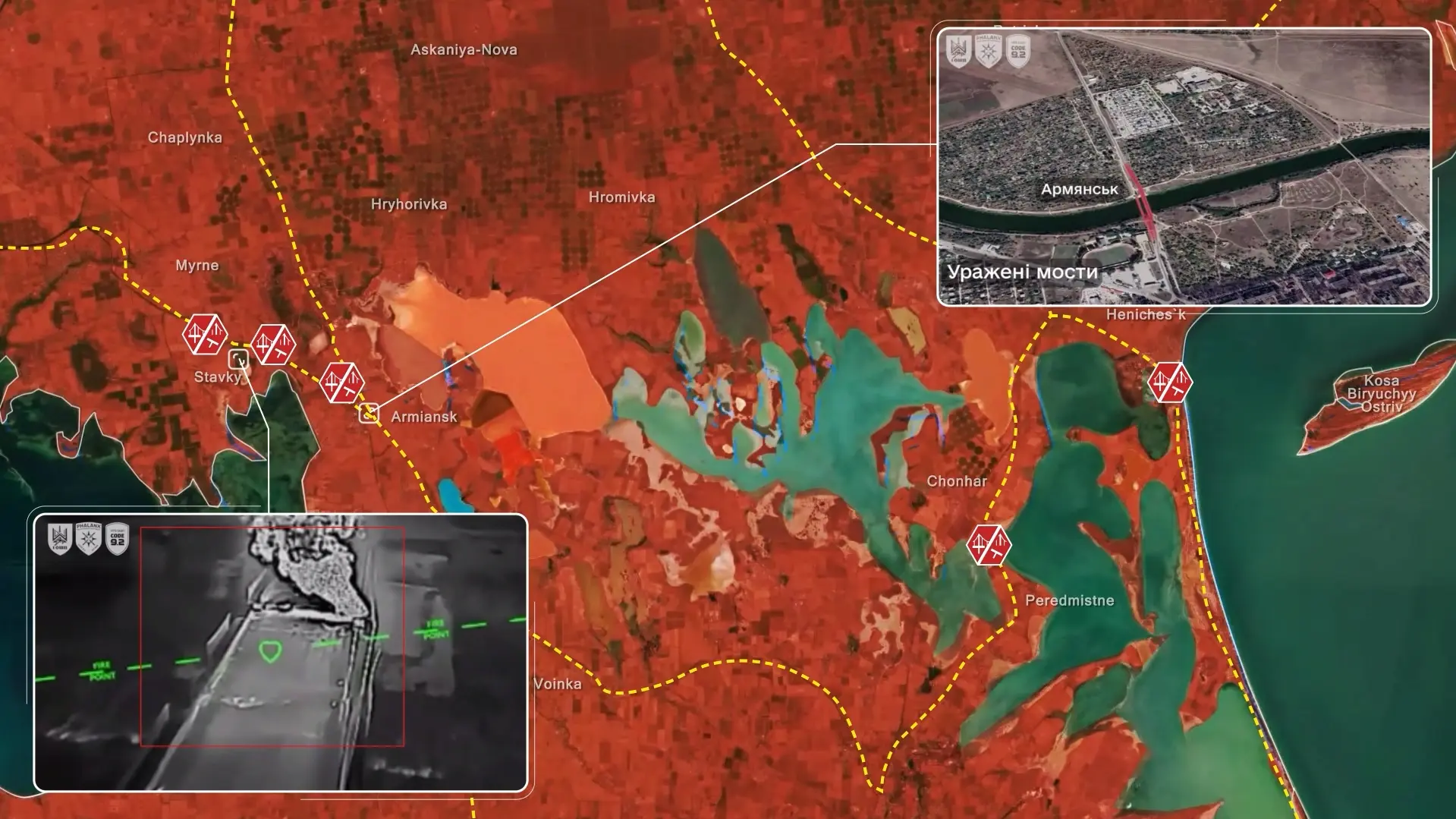
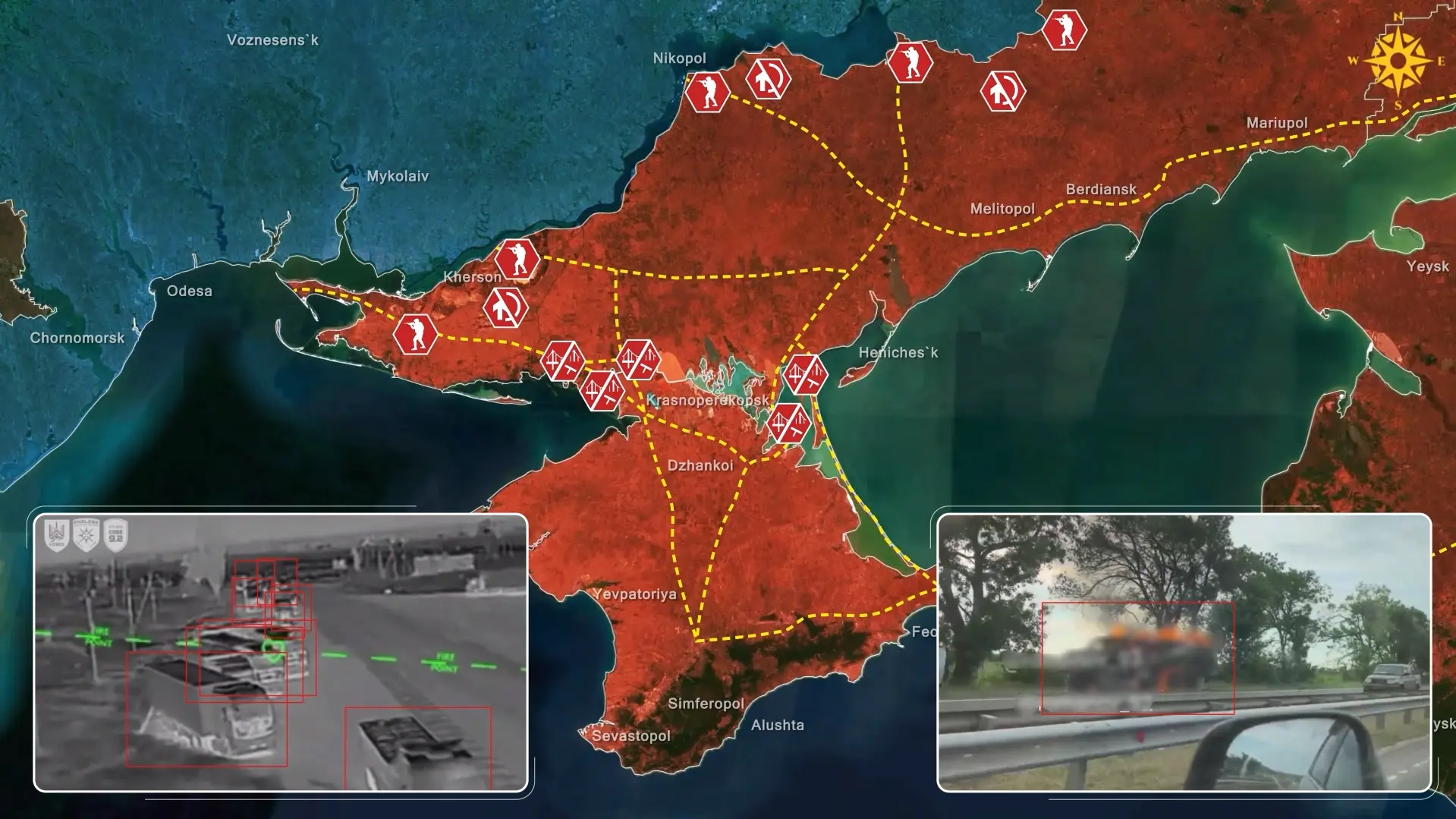
Ukraine is increasingly isolating the Russian army in Crimea. Ukrainian forces struck the Chonhar Bridge again after repair efforts from the last strike. Attacks were also made against the crossing near Armiansk, the second major route to Crimea. Two bridges to the west near Stavky and Myrne were also damaged. Finally, the Ukrainians targeted the crossing on the Arabat Spit near Henichesk, where a new road for logistics had been constructed. The significance lies in the pattern of strikes; Ukraine is no longer targeting a single bridge, but systematically attacking the entire network of crossings connecting Crimea with Russian-controlled southern Ukraine. All of them were damaged. Russian cargo traffic along the main southern logistics corridor fell 71% over the last two weeks.Crimea has been cut off, with vital supplies unable to reach the Russian forces in Kherson and Zaporizhia.
Ukraine is increasingly isolating the Russian army in Crimea.
Here, Ukrainian forces stepped up their long-range drone strikes and finished off the rest of the Crimean bridges connecting it to Ukraine. As a result, Russian-controlled Crimea became completely cut off, with vital supplies stuck and unable to reach the Russian forces in Kherson and Zaporizhia.
Ukrainian forces returned to strike the Chonhar Bridge again after repair efforts from the last strike began, proving this is a campaign rather than a one-time attack. Soon afterward, additional attacks were reported against the crossing near Armiansk, which is the second major alternative route that Russia increasingly relied upon. Two bridges to the west near Stavky and Myrne were also targeted and significantly damaged. Finally, the Ukrainians targeted the crossing on the Arabat Spit near Henichesk, another alternative route used by Russian forces, where a new alternative road for logistics had been constructed. Russian-installed authorities in Crimea and the southern Kherson and Zaporizhia regions confirmed the traffic halt and ordered emergency inspections, while Ukrainian officials described the attacks as precision strikes against critical military transportation infrastructure.
The significance lies in the pattern of strikes, as Ukraine is no longer targeting a single bridge, but is systematically attacking the entire network of crossings connecting Crimea with Russian-controlled southern Ukraine, and within only a few days, all of them were damaged.
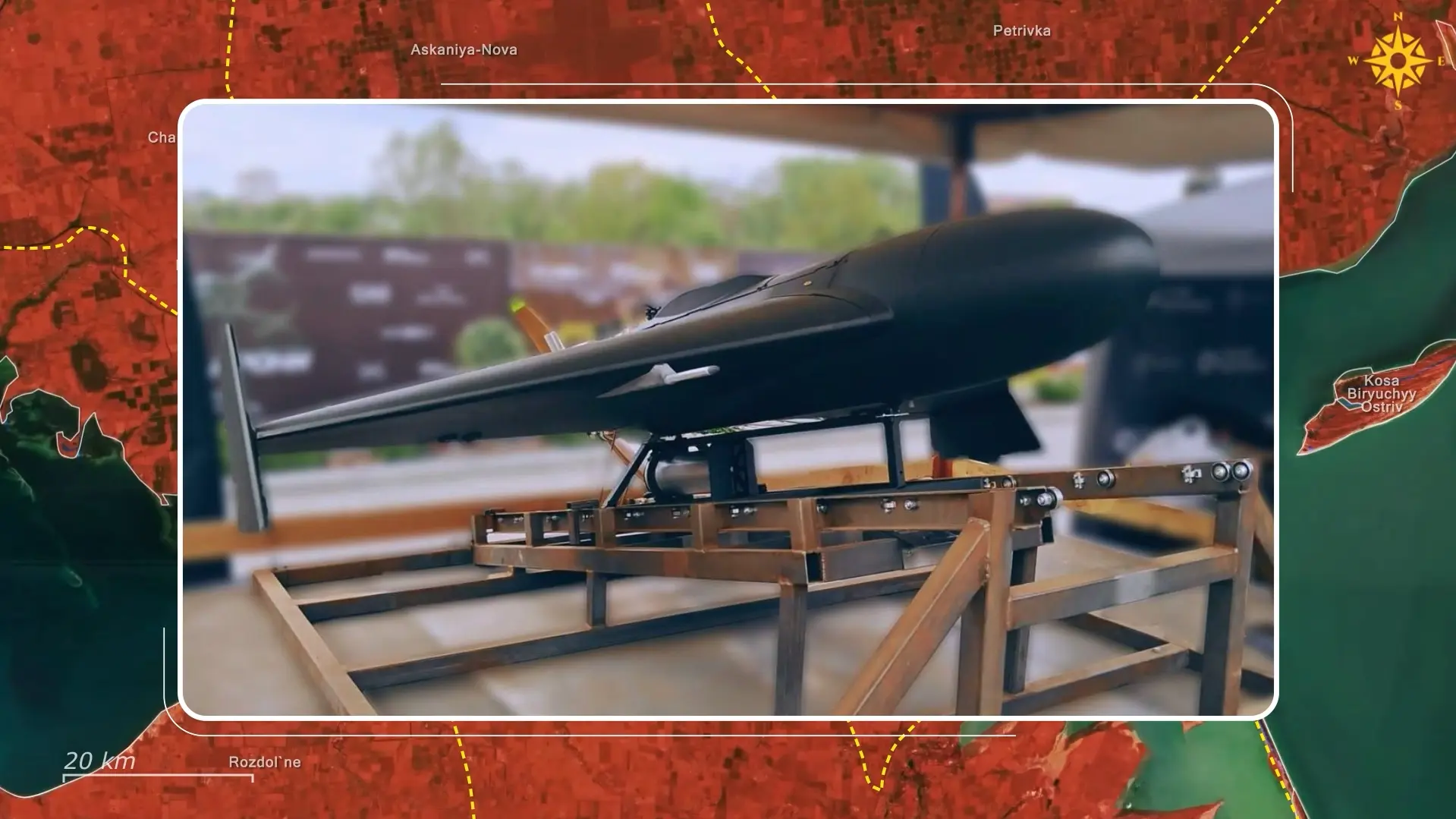
Ukraine has demonstrated a capability to repeatedly hit hardened transportation infrastructure deep behind the front, as the introduction of new long-range strike drones such as the Behemoth appears to be a key factor in this. Unlike earlier systems optimized primarily for soft targets, the Behemoth carries a powerful seventy-five-kilogram warhead specifically suited for damaging bridges and other hardened structures. With a range of up to three hundred kilometers and low-altitude flight profiles, it gives Ukraine a scalable and cost-effective way to continuously pressure critical logistics infrastructure without relying on expensive and limited Western missile inventories like the Storm Shadow.
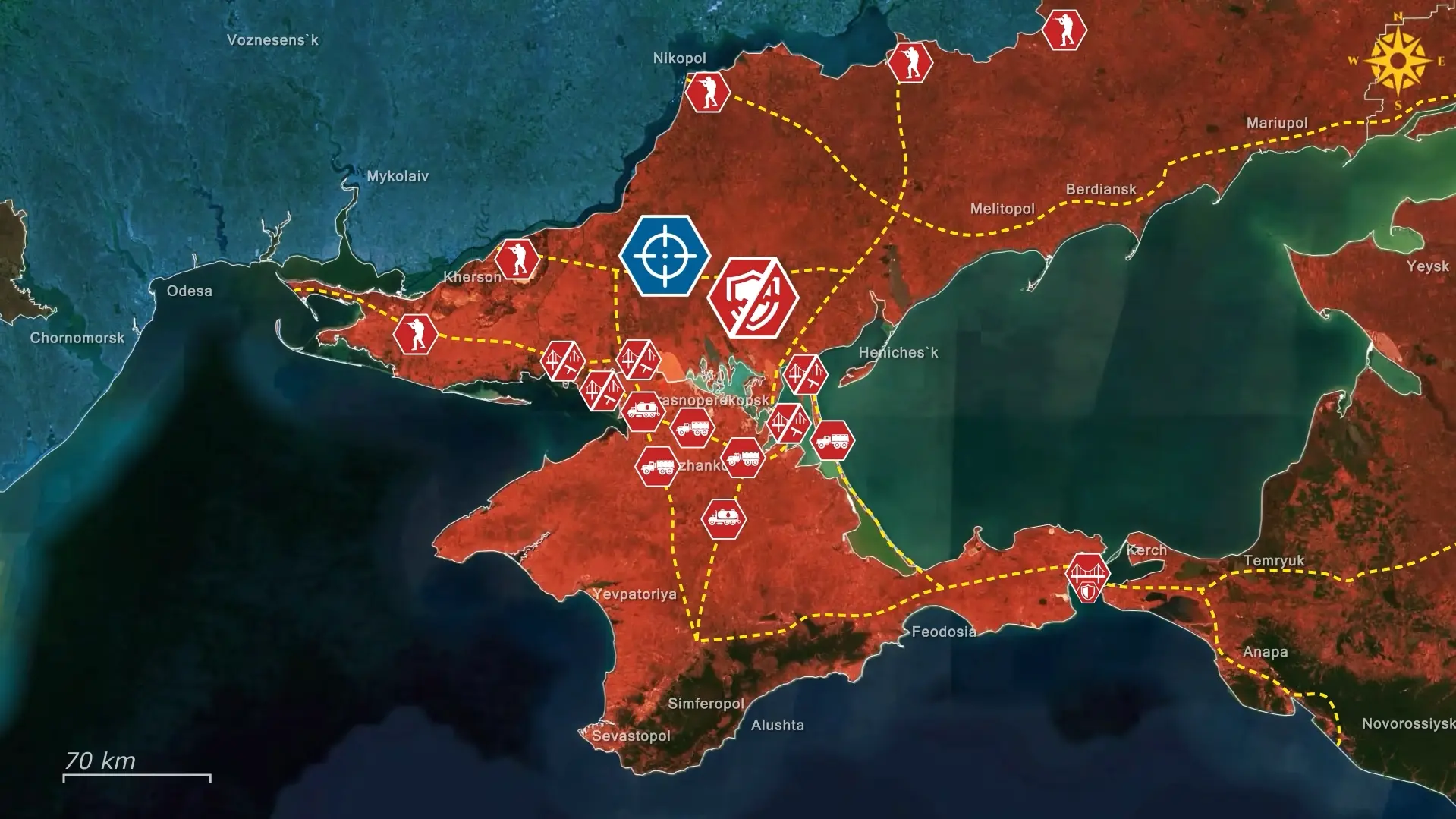
This proves Ukraine appears to be pursuing the complete separation of Crimea from the Russian force groupings fighting in Kherson and Zaporizhia. It’s important to note that while the Kerch bridge itself has not yet been targeted by the renewed strikes, but the Ukrainians are destroying the routes that allow supplies arriving in Crimea to continue north toward the battlefield. As they only have value if they reach the Russian combat units, striking the lesser-defended northern bridges of Crimea is a better first-step than attempting a low-success strike against the heavily defended Kerch bridge. Russia may still transport fuel, ammunition, and reinforcements across the Kerch Bridge into Crimea, but as the exits from it are blocked, those supplies begin accumulating inside the peninsula rather than supporting frontline operations.
The impact of the Ukrainian campaign is already measurable, as Russian cargo traffic along the main southern logistics corridor already fell by approximately seventy-one percent over the last two weeks of striking Russian logistics movements in the south; dropping from around three thousand eight hundred vehicles per day to roughly one thousand one hundred. The initial Russian tactic to mitigate the risks by increasingly forcing convoys onto secondary and round-about roads through Crimea has been quickly proven useless, as Ukraine managed to target and damage all of them.
Military analysts note that even a reduction of logistics throughput by half would significantly slow Russian offensive operations, delay ammunition deliveries, reduce fuel availability, and complicate troop rotations. However, the Ukrainians are already achieving a far more complete disruption with even greater consequences, as tens of thousands of Russian troops in southern Ukraine depend on the Crimea–Kherson–Zaporizhia corridor to sustain their fighting ability. If supplies moving through Crimea cannot reliably move north, Russian units will face even more growing shortages, increased rationing, and declining operational flexibility. This would gradually reduce their ability to sustain combat operations entirely, forcing commanders to prioritize certain sectors while limiting activity in others due to shortages of fuel, ammunition, spare parts, and engineering resources. Russian forces are rapidly losing the ability to reinforce threatened areas with each day that passes, and with each new Ukrainian strike on their transport network, steadily eroding their combat effectiveness across the entire southern front.
Overall, Ukraine has demonstrated remarkable effectiveness by damaging multiple Crimean crossings within days and expanding its strategy of a logistics blockade. While Russian authorities attempt repairs and explore temporary alternatives, Ukrainian forces have proved their ability to continuously monitor, revisit, and strike critical transportation routes across southern territory. As Ukraine continues expanding its growing fleet of middle-strike drones, Russian forces in southern Ukraine find themselves operating under an increasingly restrictive logistical regimen, with the Ukrainians turning Crimea into a growing trap.
As a Partner and Co-Founder of Predictiv and PredictivAsia, Jon specializes in management performance and organizational effectiveness for both domestic and international clients. He is an editor and author whose works include Invisible Advantage: How Intangilbles are Driving Business Performance. Learn more...




0 comments:
Post a Comment