The Reason Hundreds of Russian Troops Are Surrendering In Operation Vivaldi
When large numbers of an enemy force surrender, including entire units, rather than fight on, it is a sign of a deeper malaise. The Kremlin's forces spent 18 months in brutal combat to create the Lyman salient that Ukrainian troops began hacking away at over a few months and have now almost eliminatd in a period of weeks.
This has a devastating effect on morale, on unit cohesion and on the belief that a soldier's superiors know what they are doing. It also demonstrates that the Ukrainians may now be betters soldiers and a more effective army. This is not to suggest that the Russian army in Ukraine is about to collapse, but it does raise questions about what they are capable of accomplishing on the battlefield now and in the near future. JL
RFU News reports:
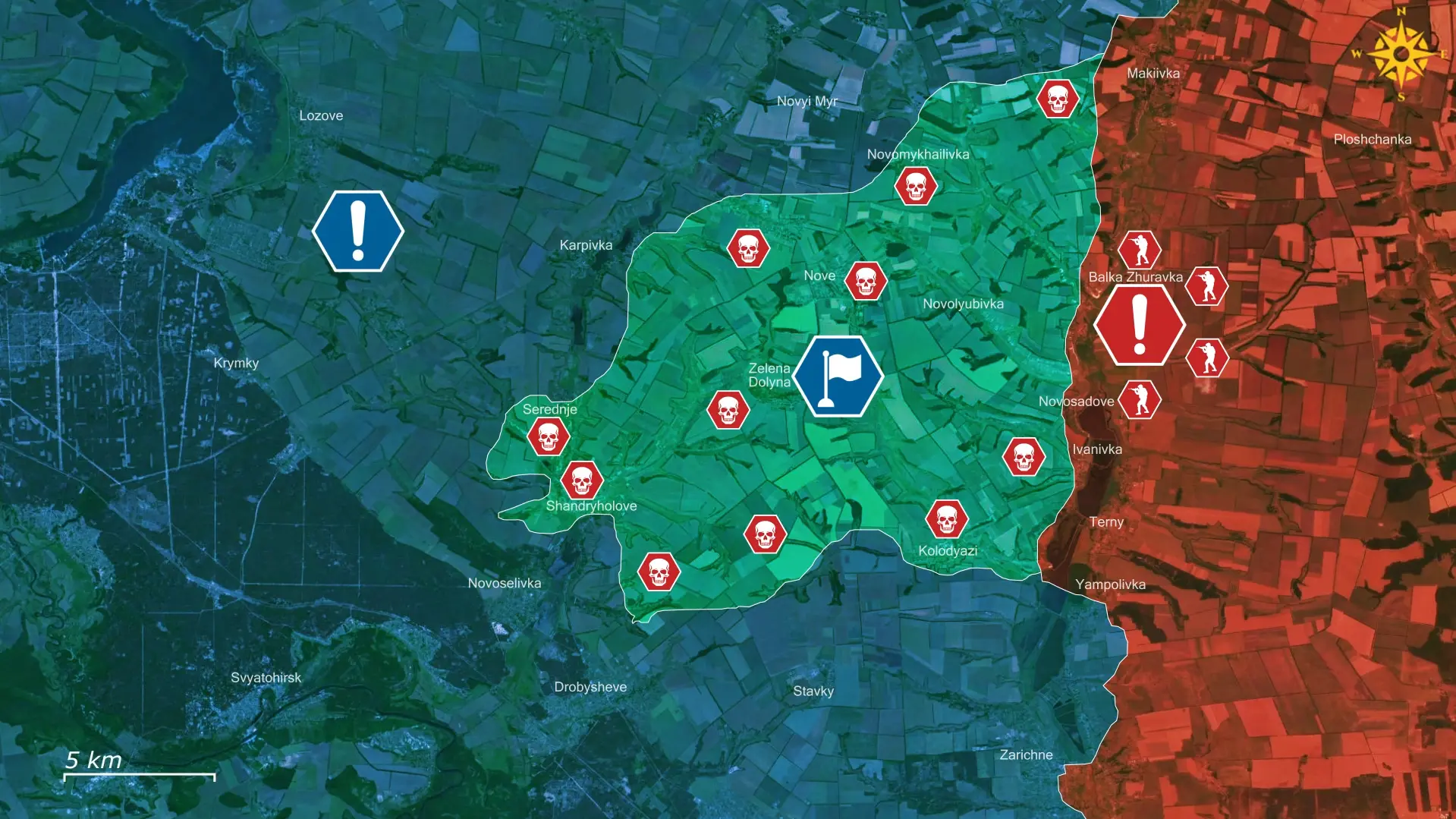
The scale of Russia’s defeat around Liman is becoming clearer, as Ukraine’s 3rd Corps has confirmed Russian casualties during the third phase of Operation Vivaldi reached more than 2,000, while more than 250 Russian soldiers were captured. Entire Russian units surrendered, including officers, drone operators, and artillerymen, demonstrating Russia committed substantial forces to defend the bridgehead. The psychological consequences are even more devastating as Russian forces spent 18 months grinding toward Liman, suffering enormous casualties to seize territory that Ukrainian forces have torn away in a matter of weeks. Watching those gains disappear undermines troops confidence for Russians withdrawing, isolated or surrounded. Entire Russian groups surrendered as continued resistance was judged pointless. Vivaldi represents something harder to replace than territory: Russian confidence that those previous sacrifices produced lasting gains.
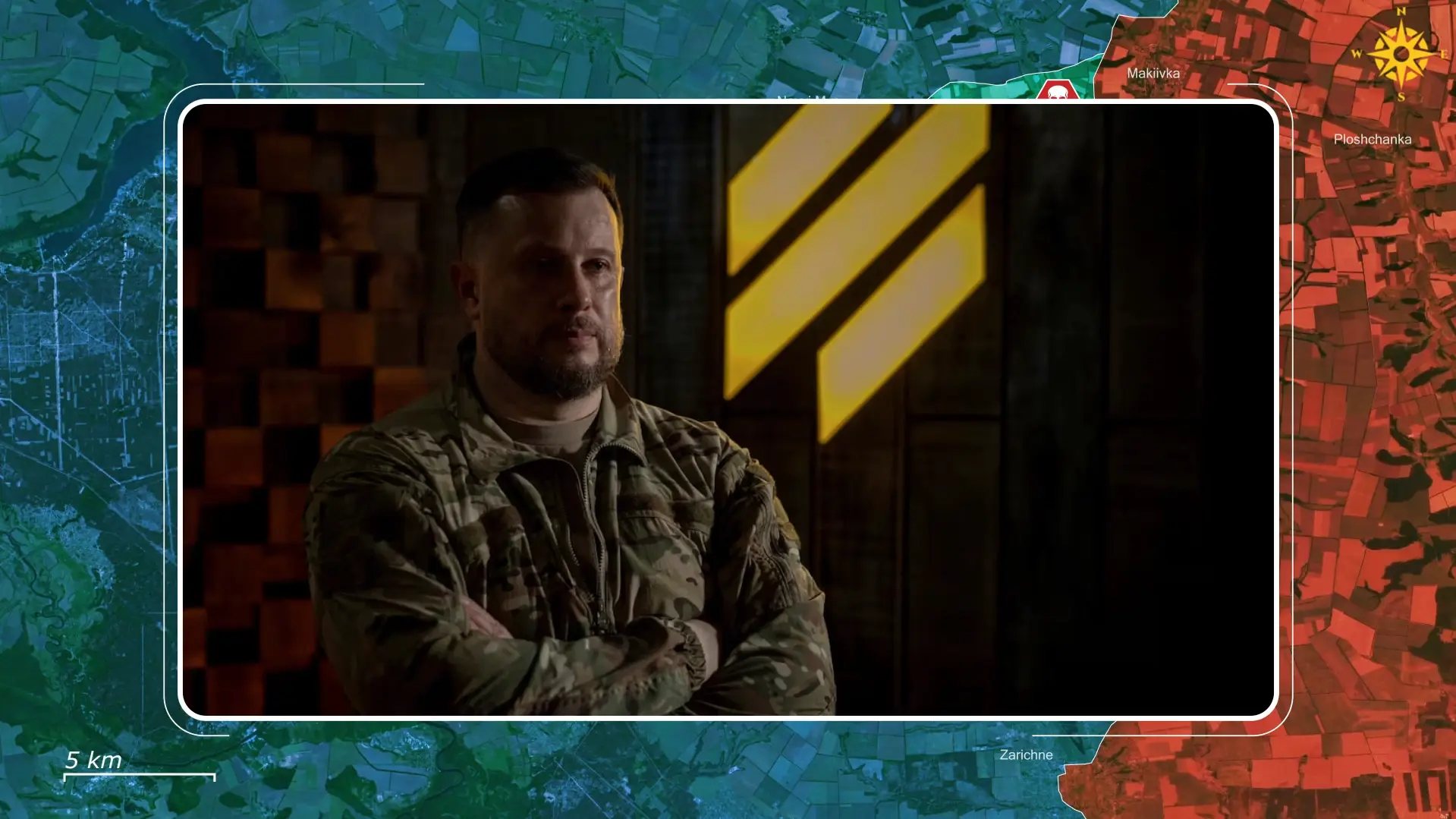
The manpower scale of Russia’s defeat around Liman is becoming clearer, as Ukraine’s Third Army Corps has officially confirmed the amount of Russian casualties during the third phase of Operation Vivaldi. According to Corps commander Andrii Biletskyi, Russian personnel losses during this phase reached more than two thousand, while more than two-hundred-and-fifty Russian soldiers were captured.
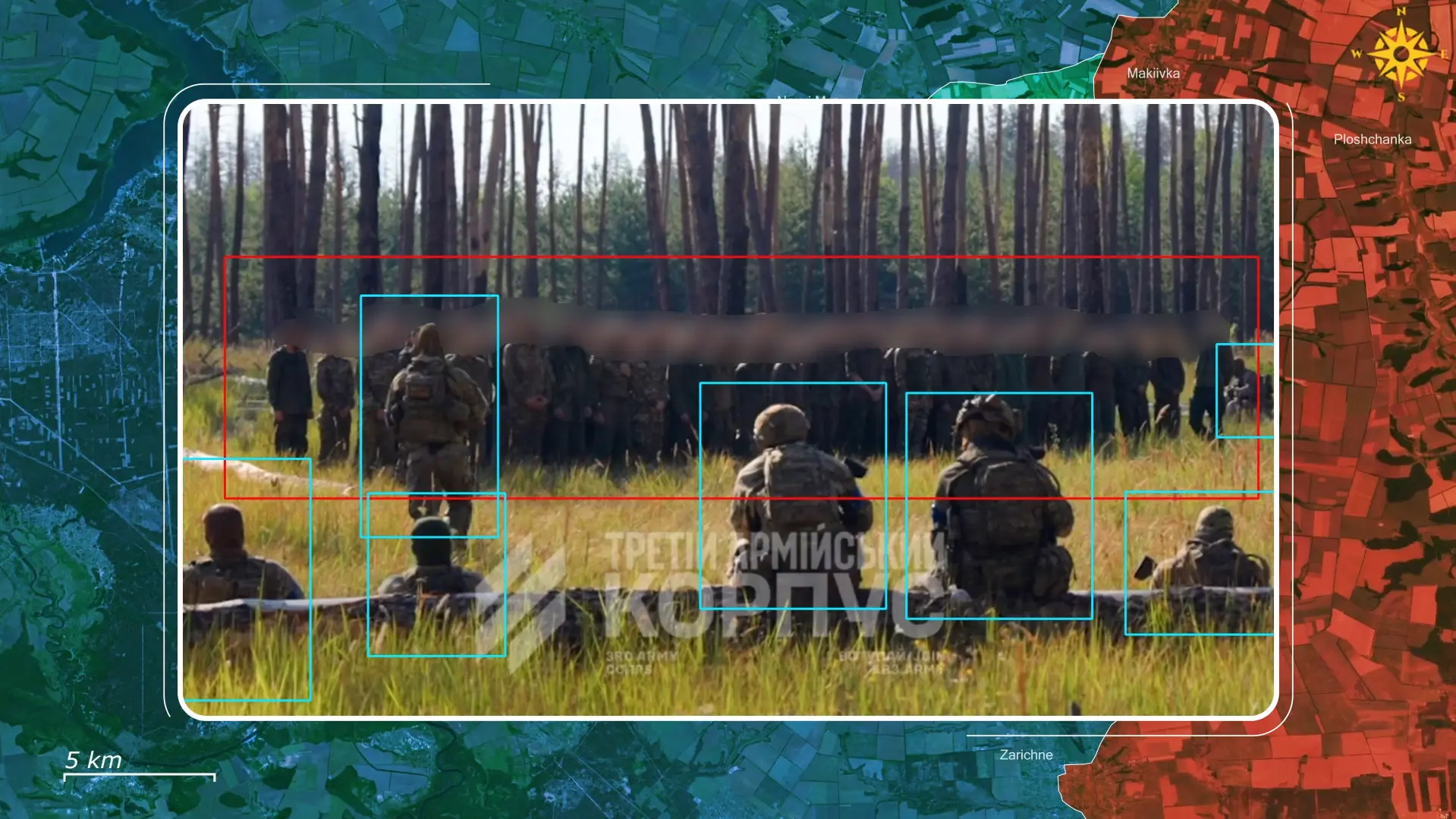
Entire Russian groups surrendered, including officers, drone operators, and artillerymen, with Ukrainian footage showing dozens of prisoners assembled together, demonstrating that Russia had committed substantial forces to defending the bridgehead rather than merely scattering small infiltration groups throughout it, as the Russian command reported.
More importantly, these are nowhere near the final figures for Operation Vivaldi, as they represent Ukraine’s officially announced Russian losses from the third phase alone. The psychological consequences prove even more devastating, as Russian forces spent more than a year brutally grinding toward Liman and trying to transform their bridgehead into a launchpad for encircling the city. Russian soldiers repeatedly crossed deadly supply routes, fought for devastated forest positions, and suffered enormous casualties to seize territory that Ukrainian forces have now torn away from them in only a matter of weeks.
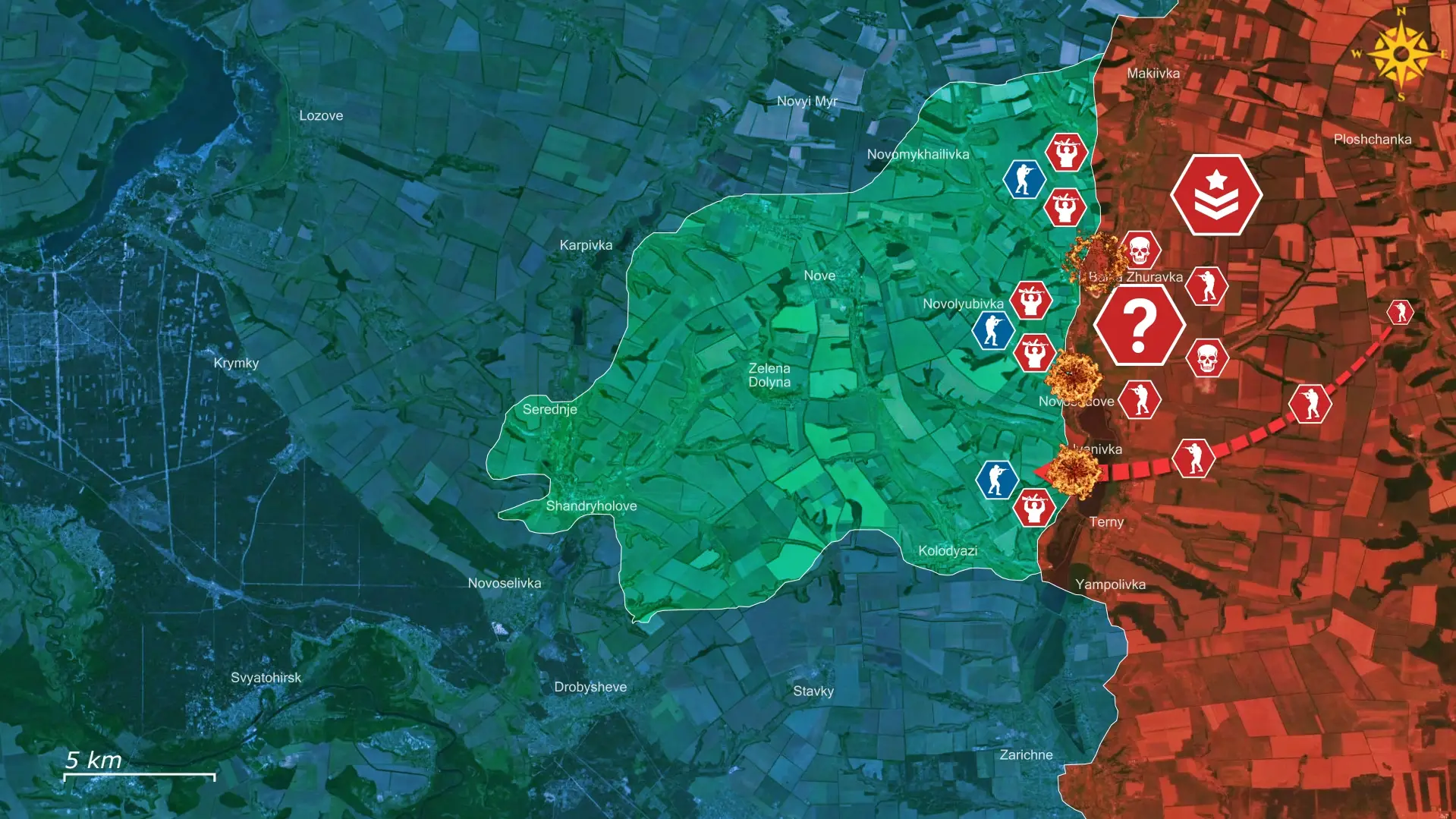
Watching those gains disappear severely undermines confidence among Russian troops expected to continue fighting, as they believed they were participating in a sustained advance, only to find themselves withdrawing, isolated or surrounded while Ukrainian assault formations take positions their units spent months capturing. This underlines the importance of entire Russian groups surrendering, with continued resistance judged pointless once Ukrainian troops penetrated Russian defenses and disrupted their logistics.
There is another reason the eventual Russian losses could be substantially different from the numbers currently public, as Ukraine continues to withhold operational information. Operation Vivaldi was conducted under an extensive information blackout, and Ukrainian commanders have repeatedly delayed announcing advances until they no longer created operational risk. Consequently, official information continues to lag behind events on the battlefield.
That delay itself creates military advantages, because if Russian commanders believe their withdrawal preserved more combat power than it actually did, they may overestimate the strength of their new positions farther east behind the river. Units assumed to have successfully escaped have suffered casualties instead, become dispersed or surrendered, with the resulting discrepancy producing incorrect decisions about available reserves. Russian commanders might even believe they possess enough infantry to defend crossings and positions around the Zherebets River or, more dangerously, they could conclude that sufficient combat power remains for counterattacks intended to restore part of the lost bridgehead. Ukraine would then be facing formations weaker than Russian headquarters believe them to be.
The confirmed prisoner-of-war numbers therefore reveal something larger than captured manpower, as more than two-hundred-and-fifty soldiers surrendering during one phase represents a considerable breakdown in Russia’s ability to maintain isolated positions once Ukrainian forces penetrated the bridgehead. Operation Vivaldi consequently extends far beyond territory changing hands, as Ukraine has pushed Russian forces away from Liman, dismantled positions built through months of offensive operations, and inflicted a major manpower cost, as hundreds of Russian troops have surrendered rather than continue defending those gains.
Overall, the precise final casualty and prisoner totals remain unknown and should not be assumed before Ukraine releases them officially. But the third phase alone demonstrates the scale of the reversal. For Russian soldiers who watched enormous resources spent creating this bridgehead, only to see it dismantled within weeks, Vivaldi represents something harder to replace than territory: confidence that all those previous sacrifices produced lasting gains.
As a Partner and Co-Founder of Predictiv and PredictivAsia, Jon specializes in management performance and organizational effectiveness for both domestic and international clients. He is an editor and author whose works include Invisible Advantage: How Intangilbles are Driving Business Performance. Learn more...




0 comments:
Post a Comment